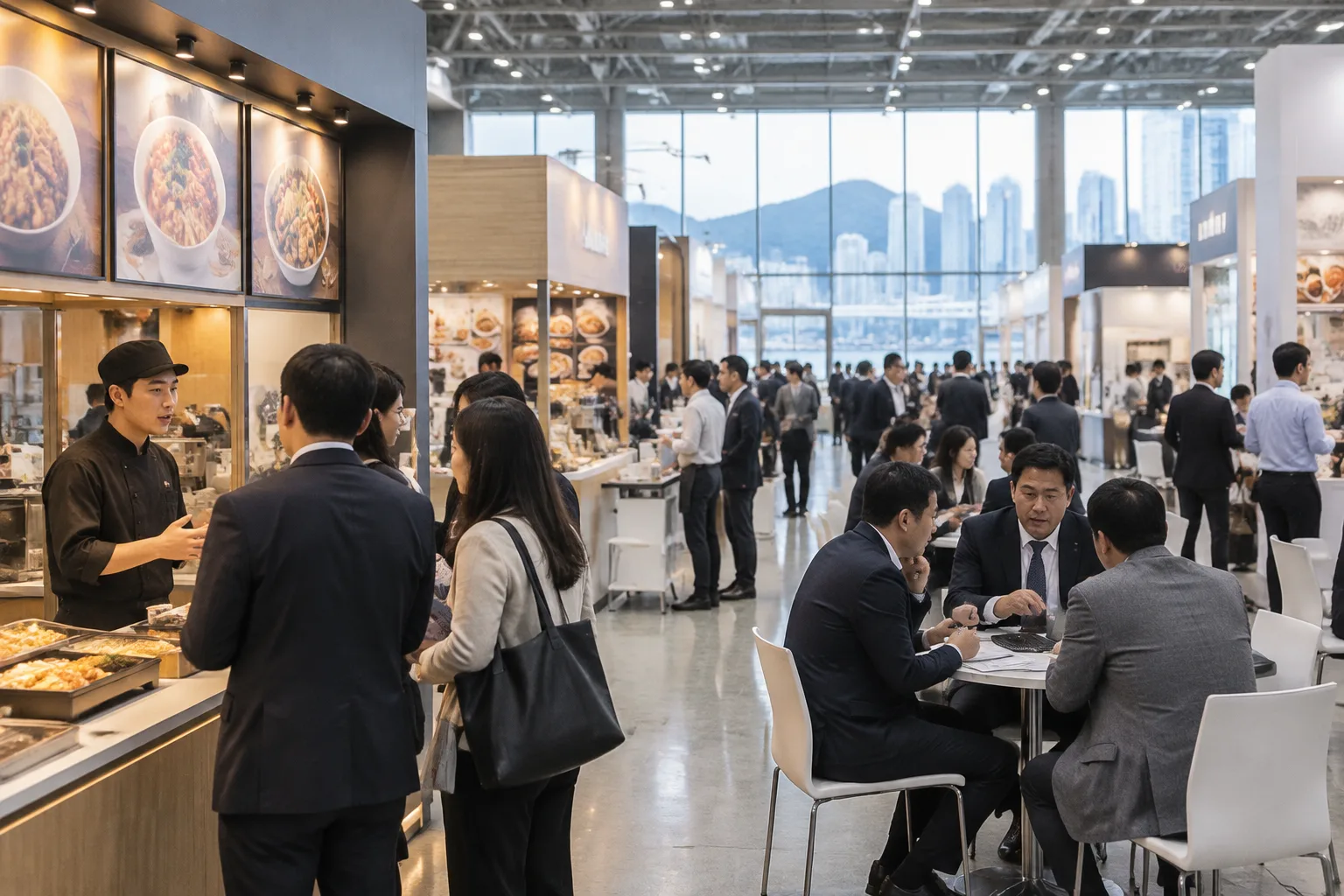
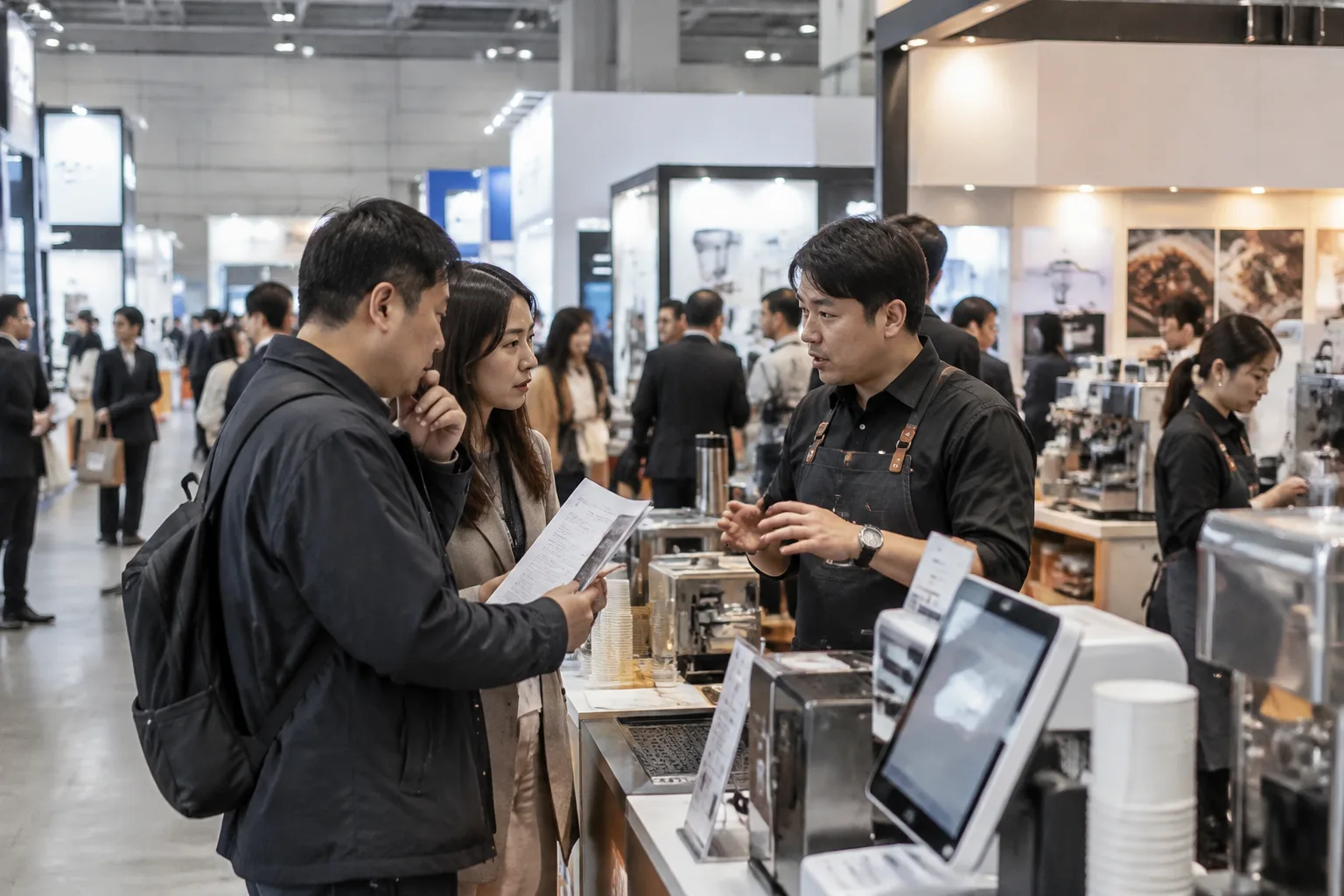
Around 100 brands will take part in the Busan KFA Franchise Fair at BEXCO from 12 to 14 November. New features this year include an international pavilion, overseas market entry briefings and meetings with overseas buyers.
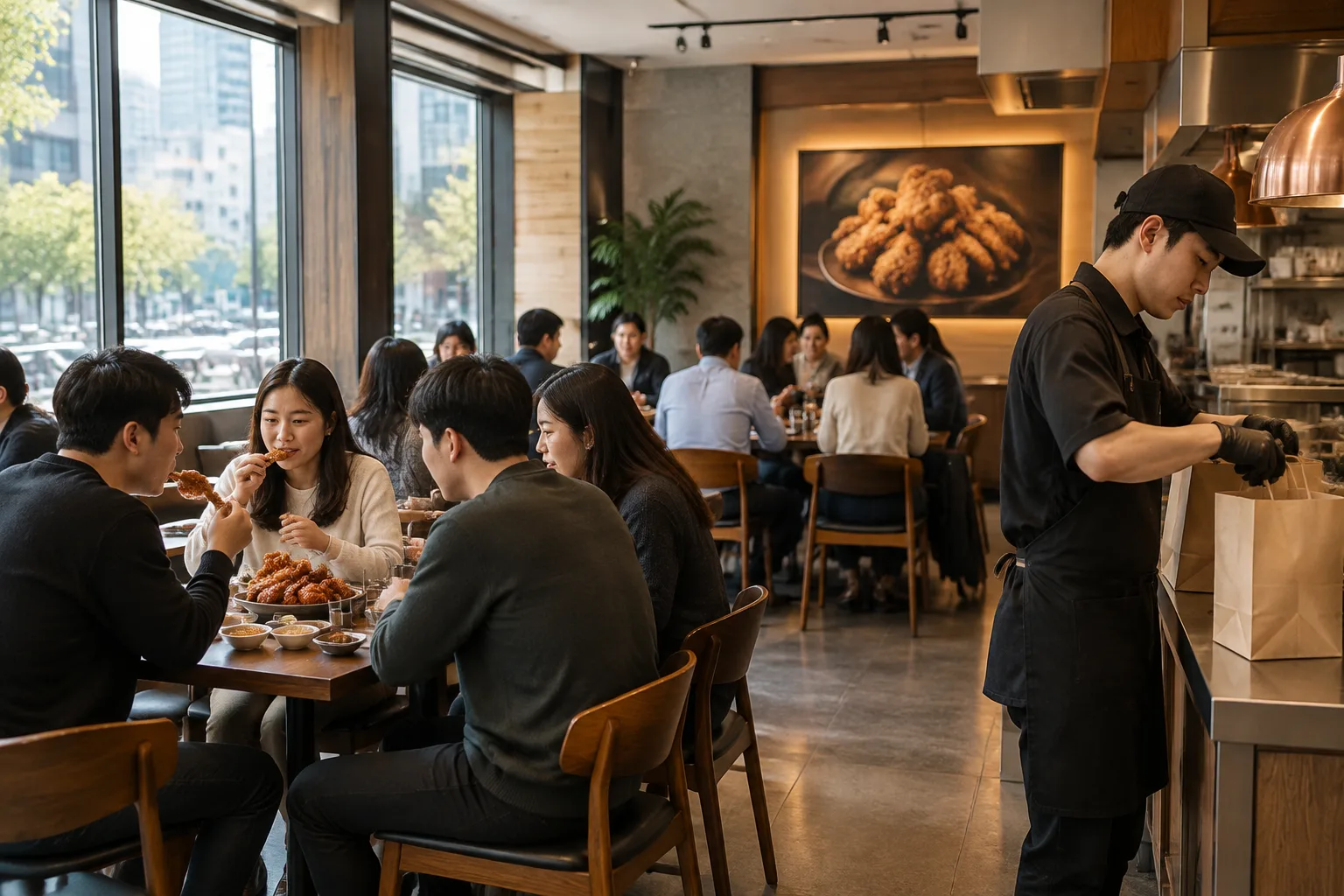
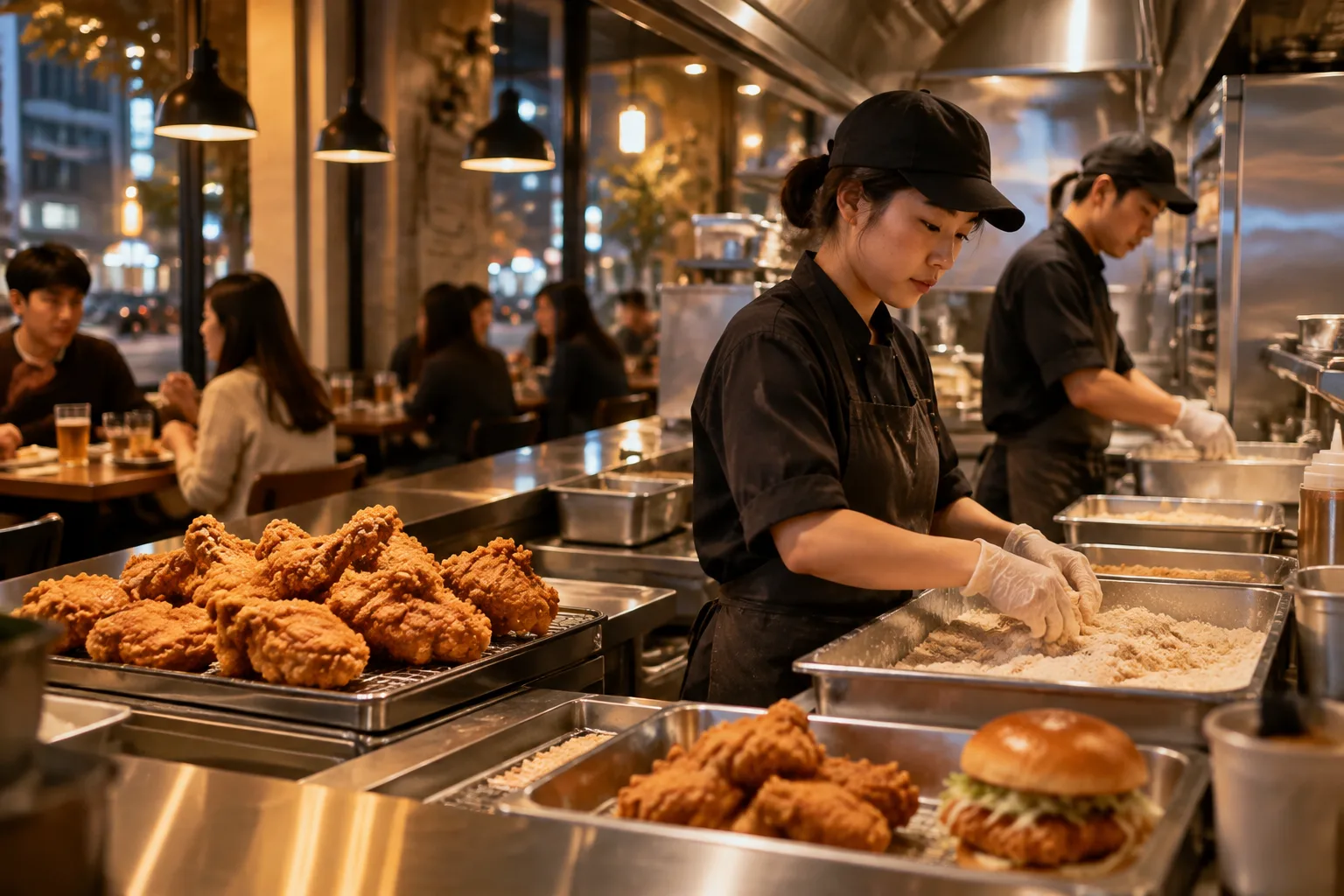
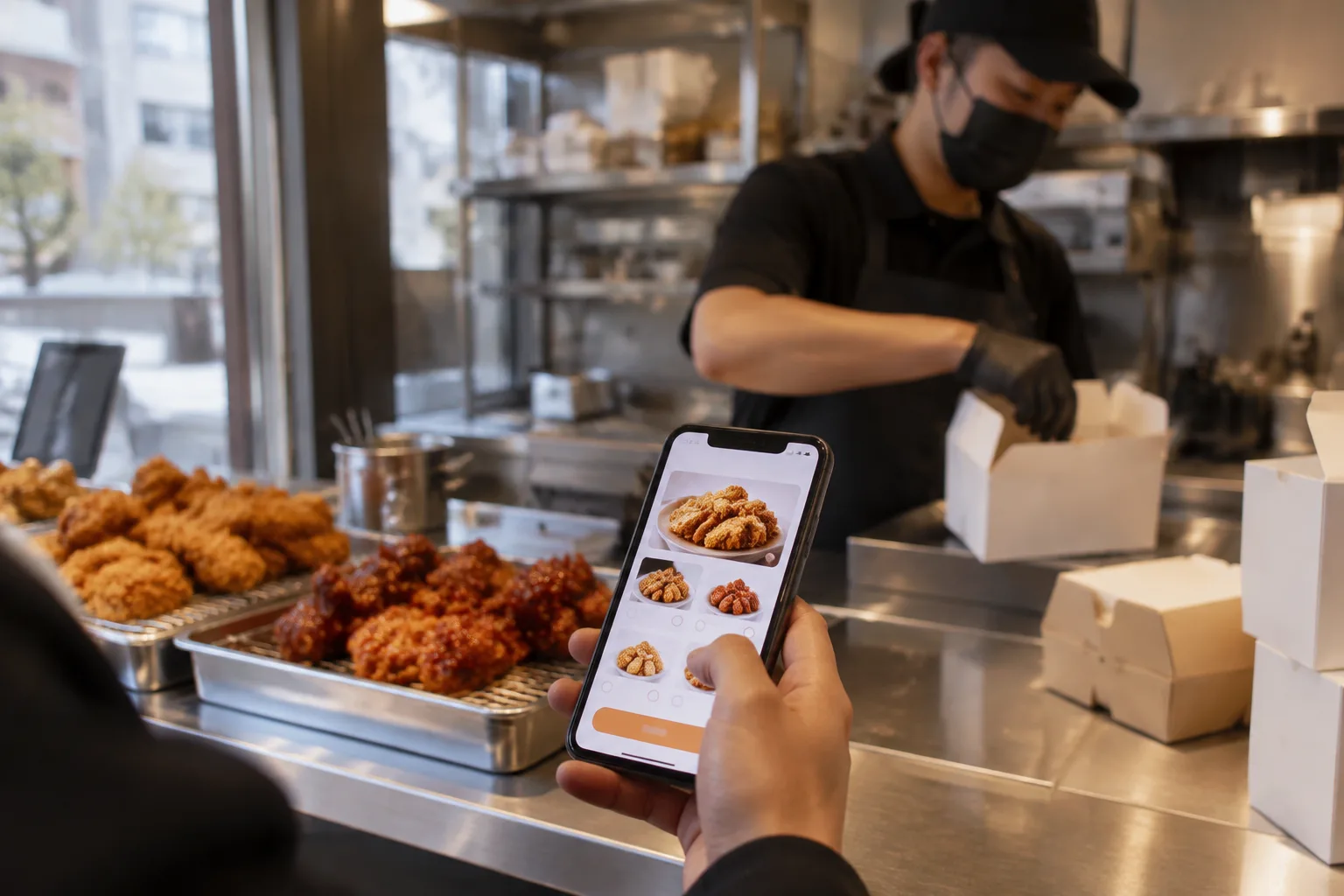
South Korean fried chicken chain bhc has reported growing sales of new menu items and 3 million registrations on its own app. Its flagship near Gangnam Station also targets lunchtime and afternoon diners.
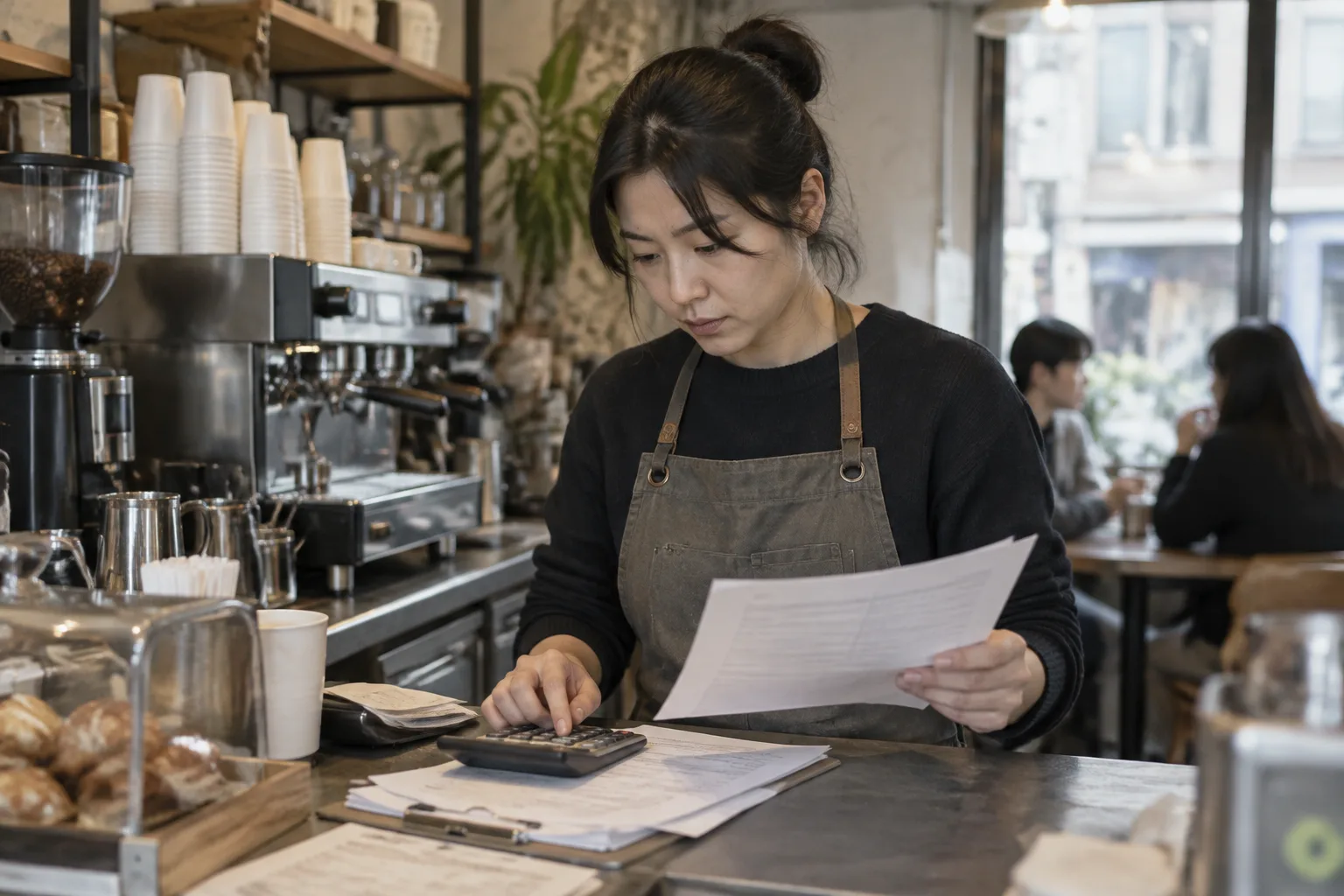
Major South Korean budget coffee brands increased advertising spending in 2025, but franchise outlet sales followed different paths. Prospective franchisees should distinguish between advertising budgets, franchisee contributions, sales and profit.
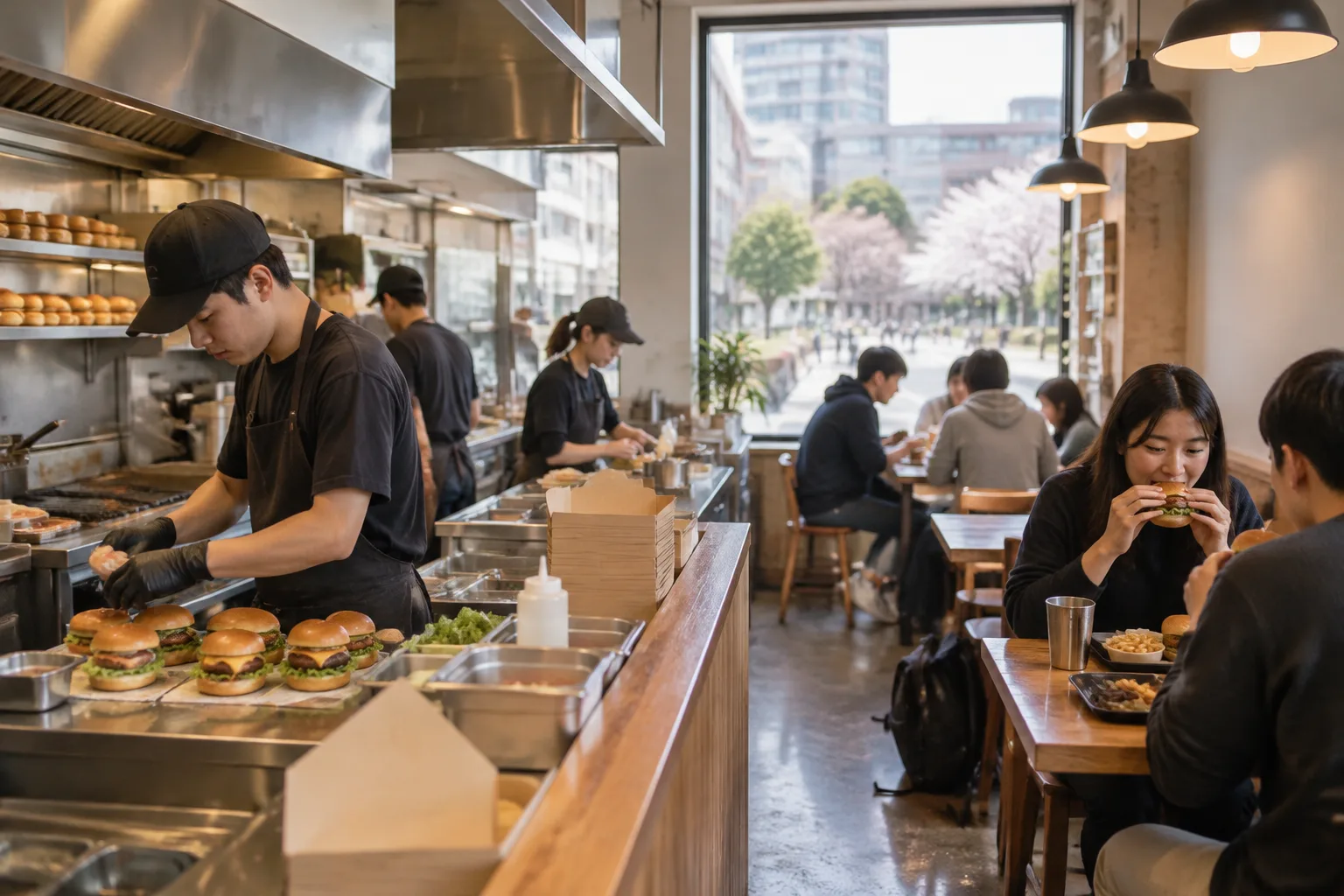
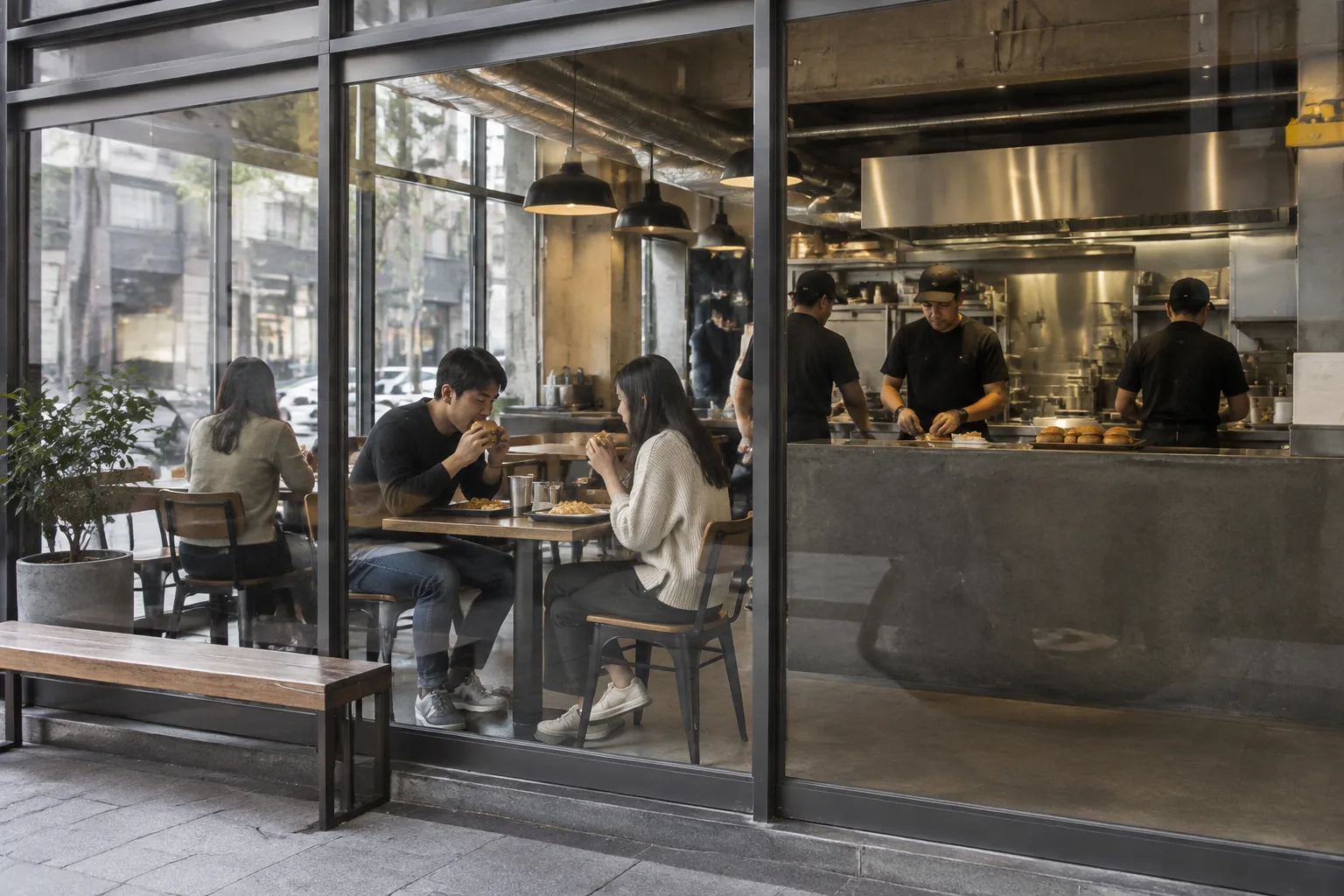
No Brand Burger and Lotteria are expanding smaller, space-efficient stores, while Mom’s Touch, Burger King and bhc are introducing experience-led venues. Store formats increasingly reflect local trading conditions and customers’ reasons for visiting.
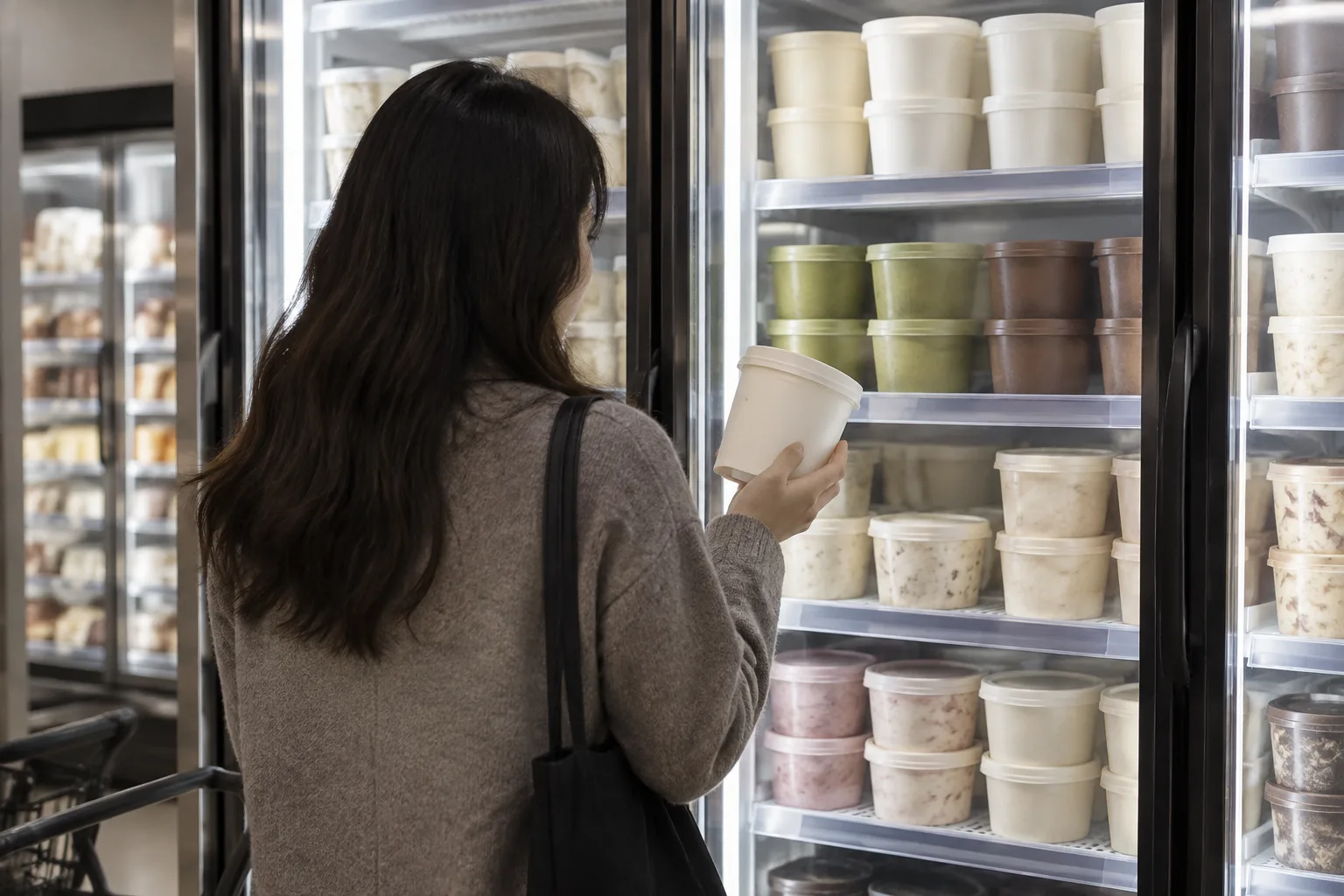
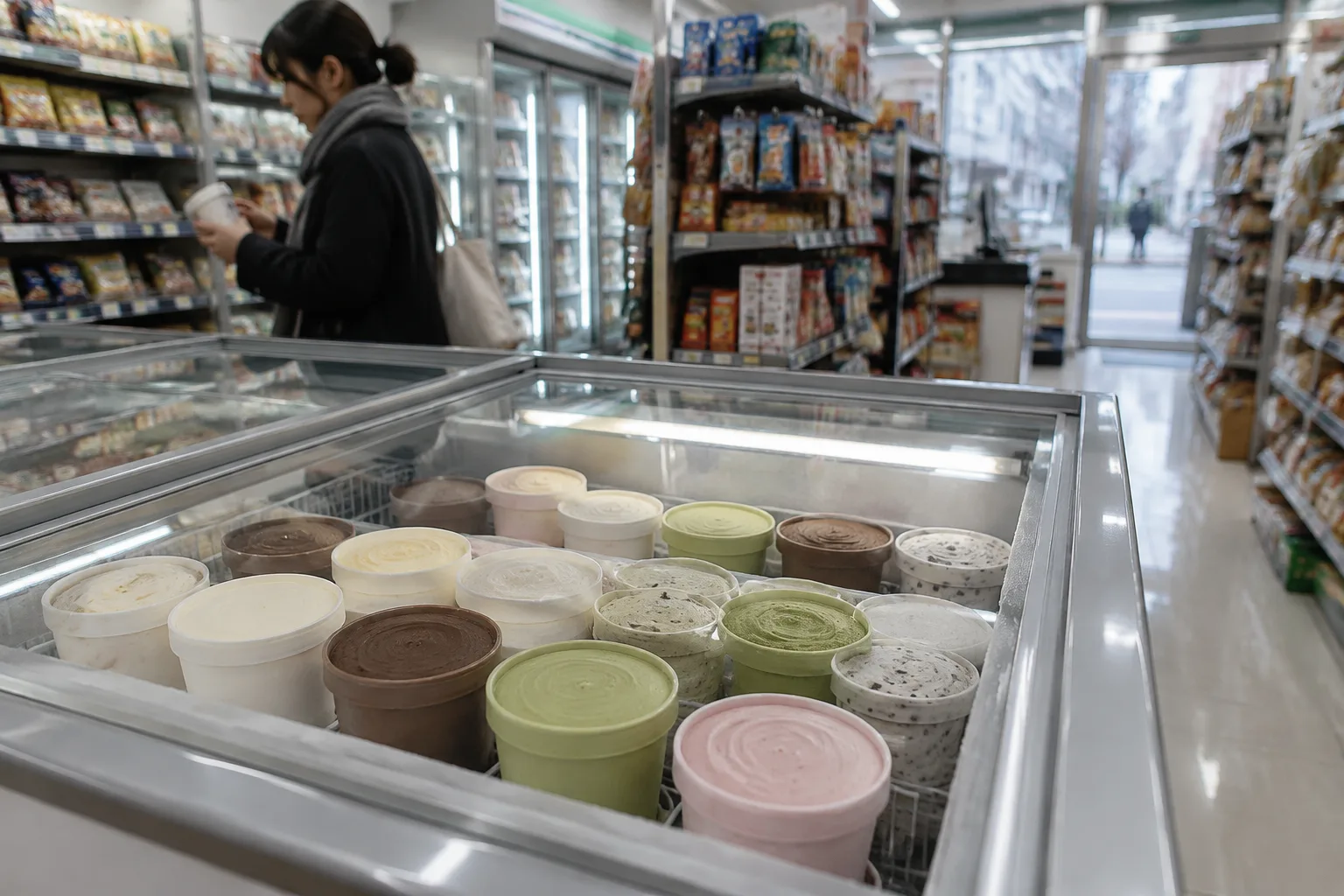
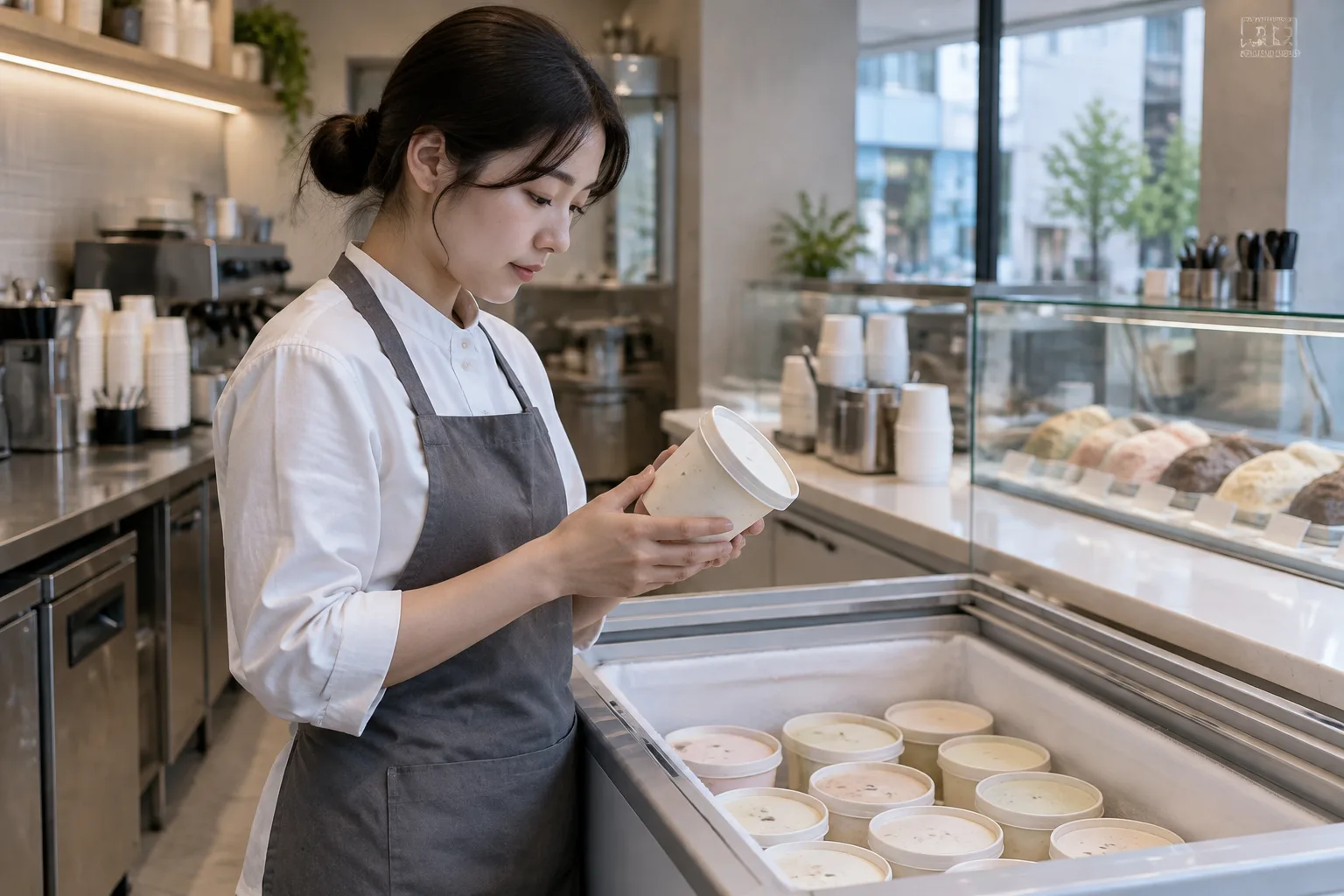
Natuur has voluntarily cancelled its franchise disclosure registration and closed its dedicated shops. The shift comes 28 years after the brand’s launch, with sales now focused on packaged ice cream through hypermarkets, convenience stores and online channels.
Founded in Cheongju, Pocha Jungmun has signed franchise agreements for outlets in Sau, Gimpo, and Sangbong, Seoul. The brand is expanding beyond its initial Chungcheong base into other regions, with a target of 30 franchised outlets by year-end.
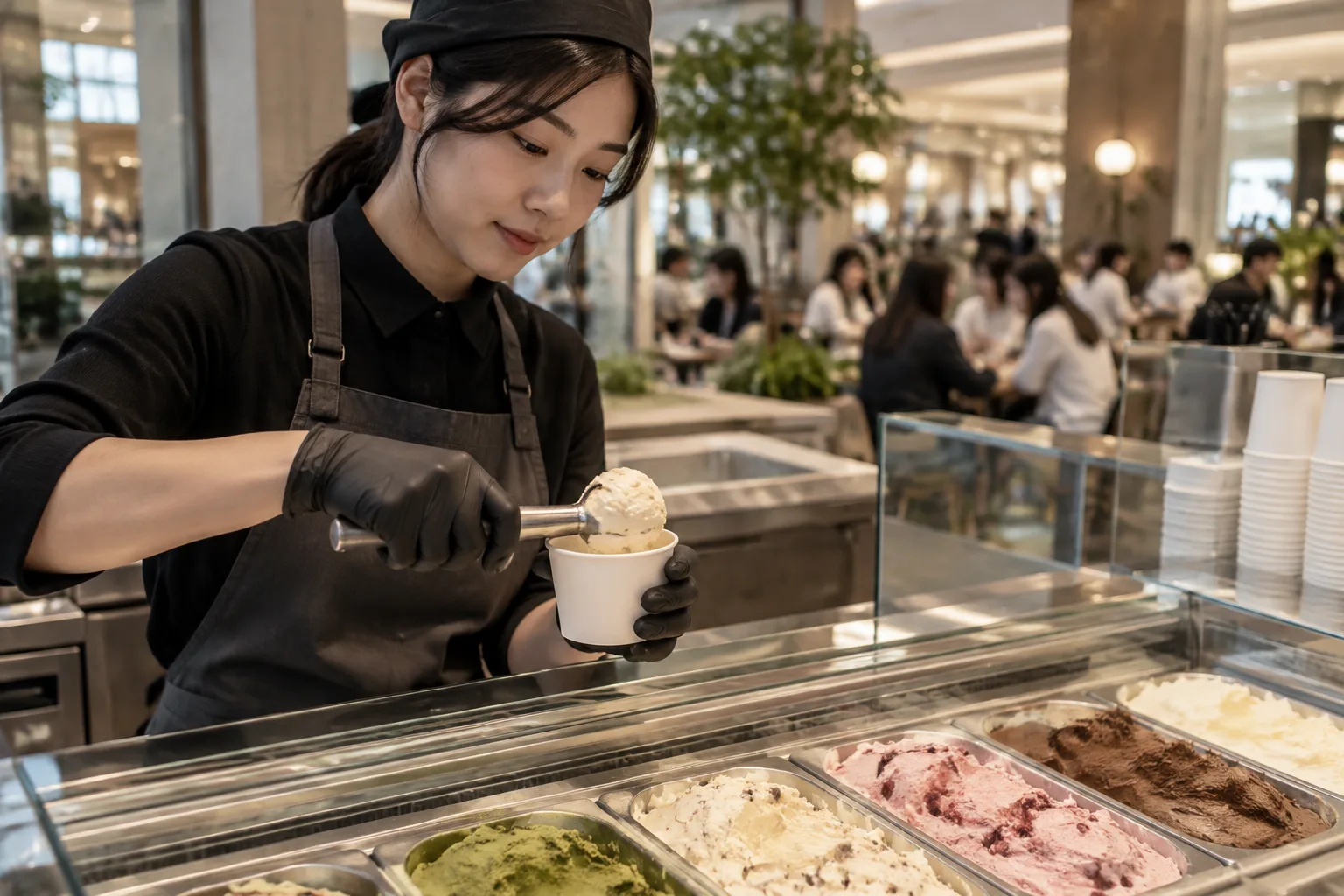
Häagen-Dazs Korea has surpassed KRW 100 billion in annual sales for the first time while halting new franchise expansion. It has voluntarily cancelled its franchise disclosure registration, but its three existing franchised outlets continue to operate normally.
Popeyes plans to pursue franchising in South Korea by year-end, building on 26 company-owned outlets in the Seoul metropolitan area. Regular chicken discounts, new menu items and app coupons are also being used to encourage visits.
South Korea’s Fair Trade Commission has published a list of 125 brands that newly registered franchise disclosure documents in October 2026. During the same period, 36 brands voluntarily cancelled their registrations.
Sulbing grew to 617 outlets by the end of 2025, while Waffle University shrank to 315. We examine expansion trends across South Korean dessert brands, including tanghulu and frozen yoghurt chains, taking care to distinguish the reporting years.
A Twosome Place has opened its first US café in Virginia. The Venti is preparing a Las Vegas outlet, while Paik’s Coffee is targeting a 2027 opening, as more South Korean coffee franchises pursue US expansion.
South Korean franchisors including Mega MGC Coffee and Dujjim are supporting transfers of existing outlets. Unlike opening a new outlet, taking over an established business requires separate checks on trading records and acquisition terms.
Polypark has held business briefings at regional self-reliance centres in Incheon, Jeju and Daejeon as it explores stores linked to local employment and income-support programmes. Discussions are under way on using its head-office operating systems, with openings targeted for the first half of 2027.
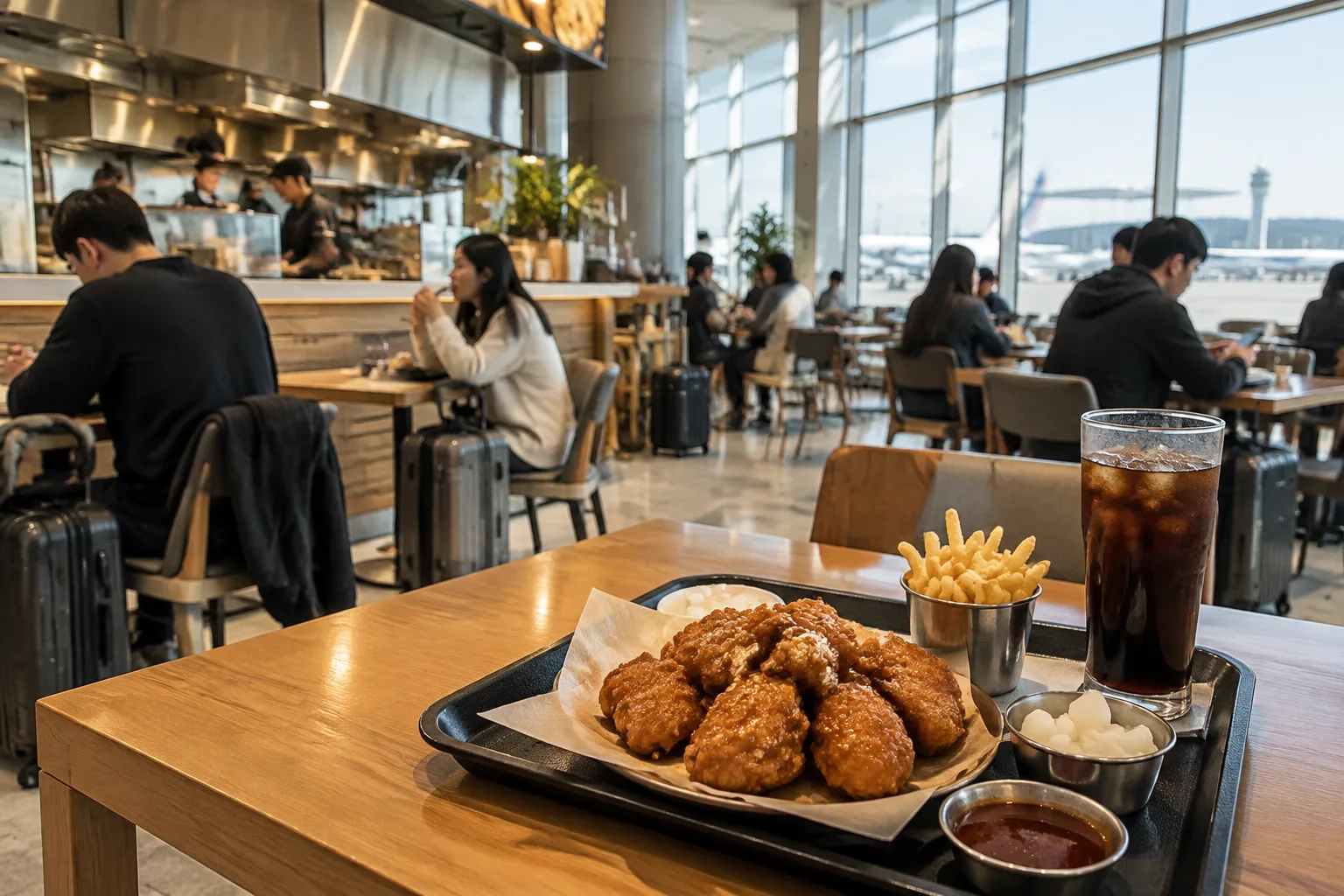
bhc has opened its second outlets in Vietnam and the Philippines, in a Ho Chi Minh City shopping mall and Manila airport respectively. Meal-focused options and a streamlined airport menu reflect the different locations.
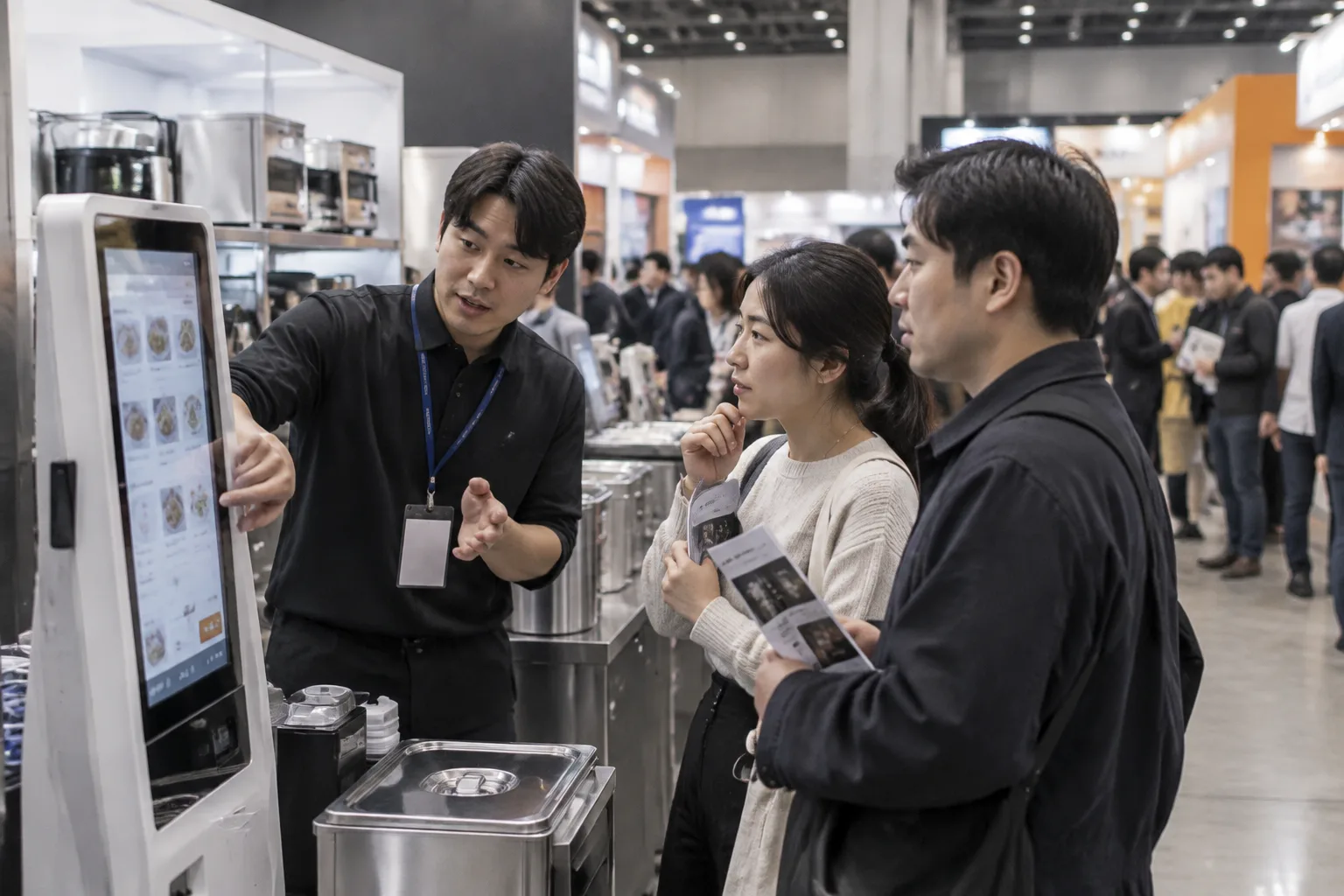
More than 15,000 people visited the 61st IFS at COEX in Seoul. Payment and ordering systems, alongside programmes offering hands-on experience in food outlets, put the spotlight on preparing for day-to-day operations after opening.
Benson’s operator has signed a business transfer agreement with Ourhome. Alongside franchise expansion, the brand is exploring sales through airports, shopping complexes and contract catering.
Knotted operator GFFG has cancelled its franchise disclosure registration and withdrawn plans to enter franchising. Several shop closures and a headquarters move also signal a change in the brand’s expansion strategy.
Tim Hortons has introduced pasta and back ribs at its first South Korean flagship in Seongsu, Seoul. As café franchises expand their meal offerings, rising food sales need to be weighed against the additional demands on store operations.
Dining Brands Group and Ubuntu World, operator of Ilpum Yangpyeong Haejangguk, have been selected for Seoul’s 2026 franchise partnership scheme. We examine their support policies, from dispute mediation to marketing funding.
South Korea’s chicken franchise outlet count rose by 5.3% in 2024, but sales per outlet increased by just 1.9%. Major franchisors are broadening their revenue sources through restaurants, tonkatsu, catering and boxed meals.
Luckin Coffee has completed its South Korean trade mark registration, while Green Tea Restaurant is preparing to enter the market. As Chinese brands expand into more categories, supply chains and consistent store operations are becoming key points of comparison.
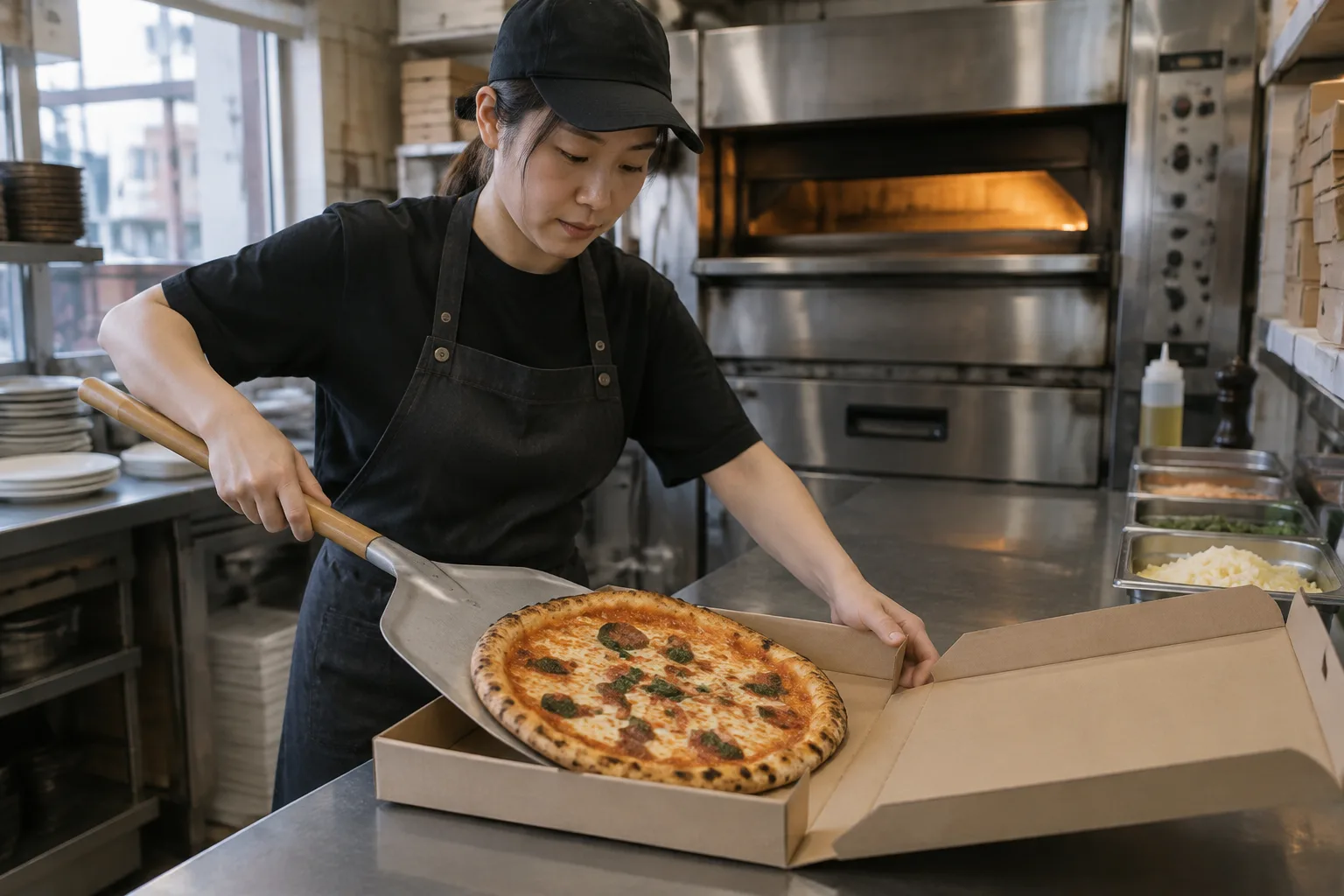
Domino’s is raising pizza prices in South Korea for the first time in nearly four years, citing rising operating costs. With other pizza brands also adjusting prices for pizzas, sides and drinks, it is important to distinguish which products are affected and by how much.
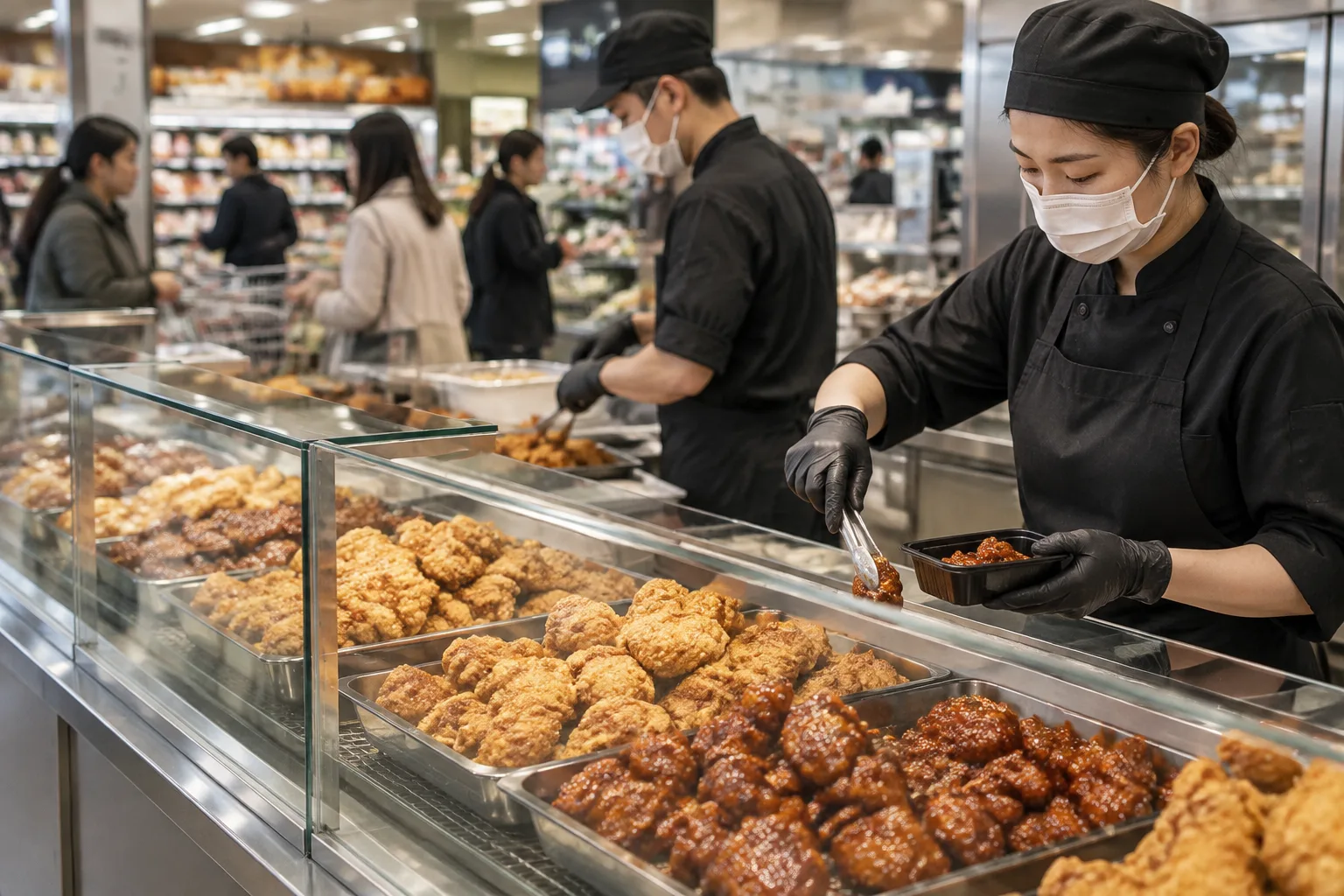
BBQ has opened company-run outlets selling freshly cooked chicken at NongHyup Hanaro Mart’s Gyeonggi Seongnam and Goyang stores. The move highlights both the expansion of sales channels outside its franchise network and the need to manage potential overlap with existing franchisees.
Following its planned transfer to Ourhome, Benson will recruit franchisees in Seoul and the surrounding metropolitan area in the first half of 2027. It aims to establish 50 company-owned shops and 50 franchised outlets, supported by a dedicated frozen delivery system.
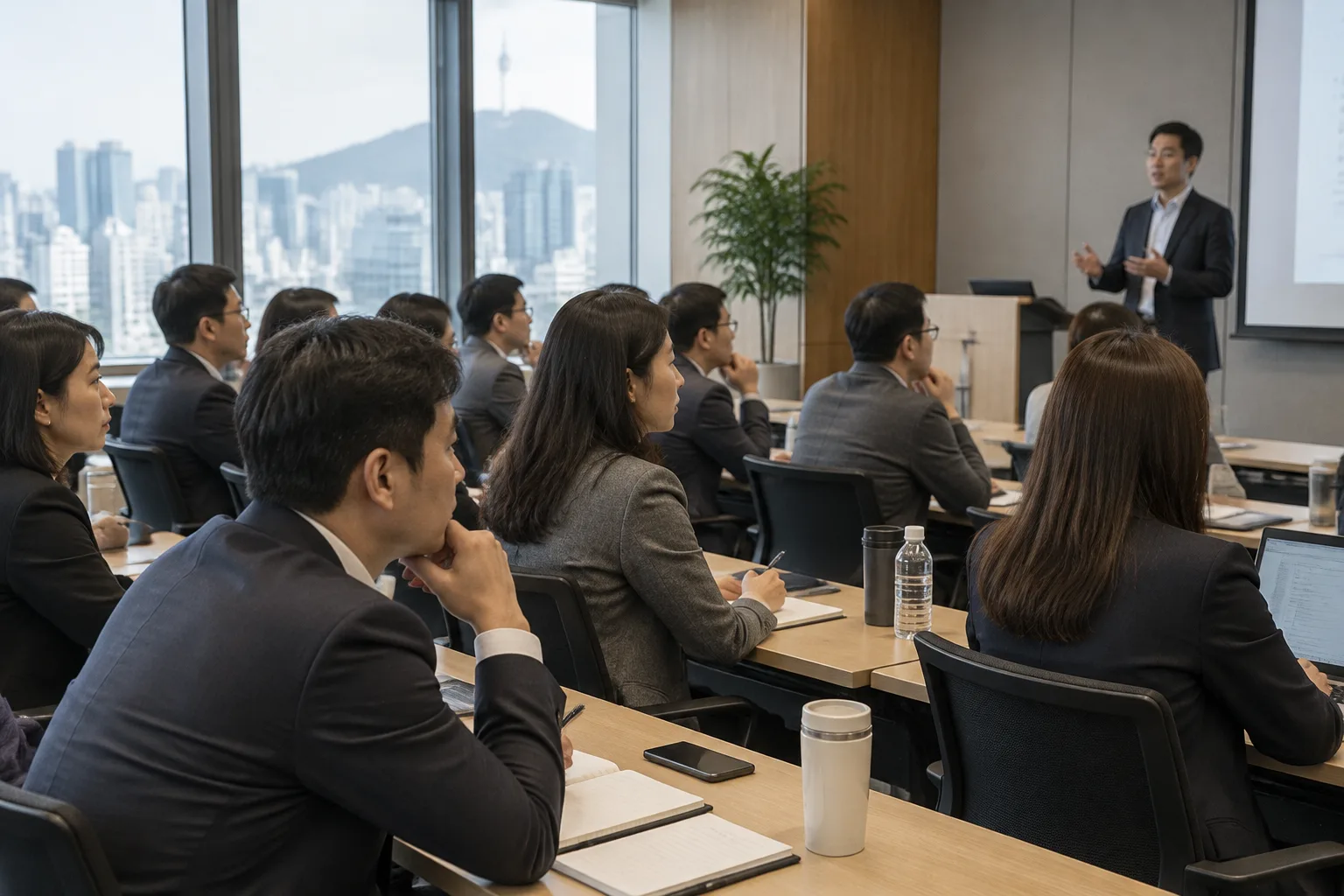
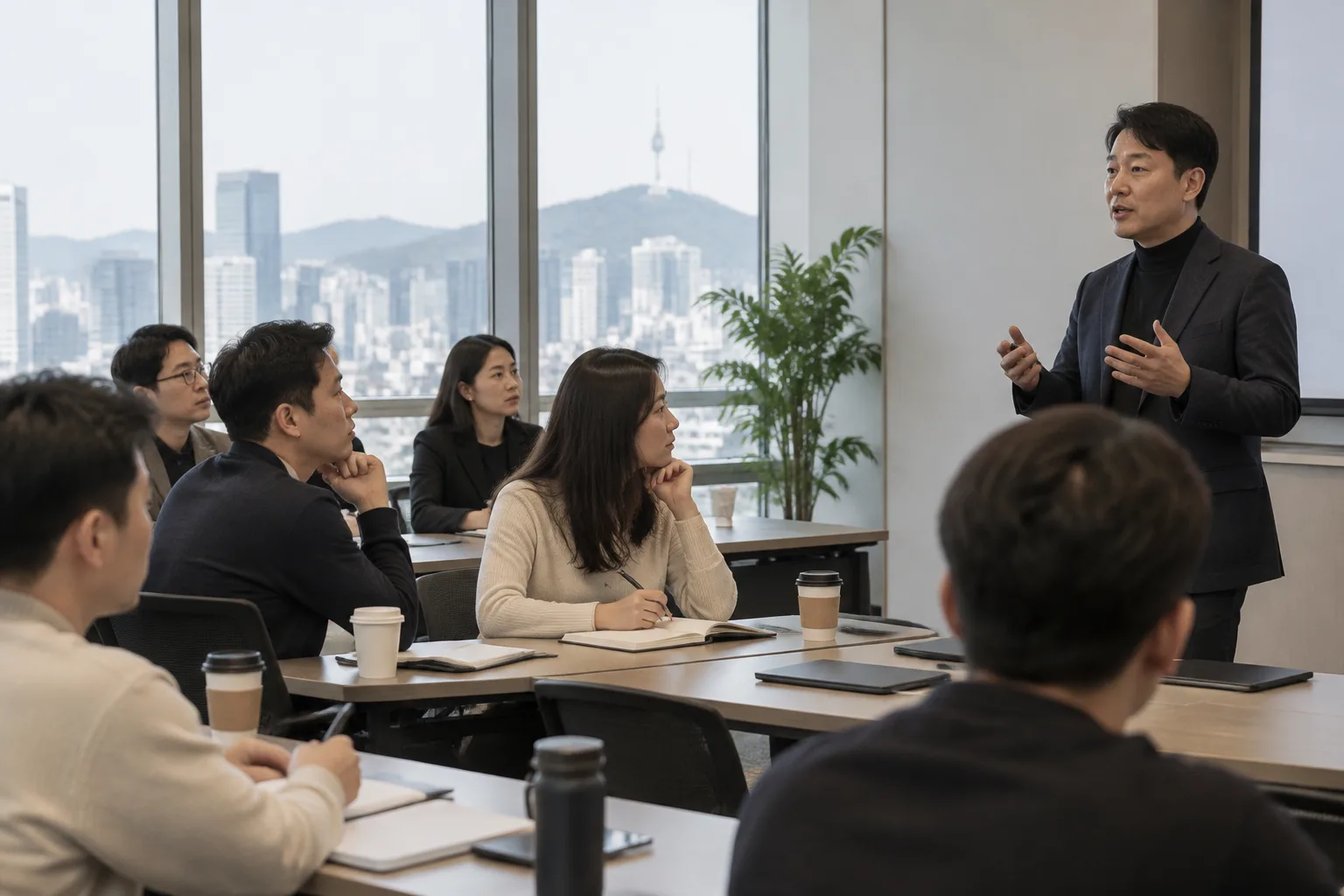
Samil PwC will hold a specialist seminar for franchisors on 13 November, with eight sessions covering investment, mergers and acquisitions, AI-led operations, data-driven location analysis, accounting and tax.
Mammoth Coffee has returned to the IFS franchise exhibition after a 10-year absence. Amid interest in small-format shops and lower-cost start-ups, prospective franchisees were keen to establish how much profit they could actually retain.
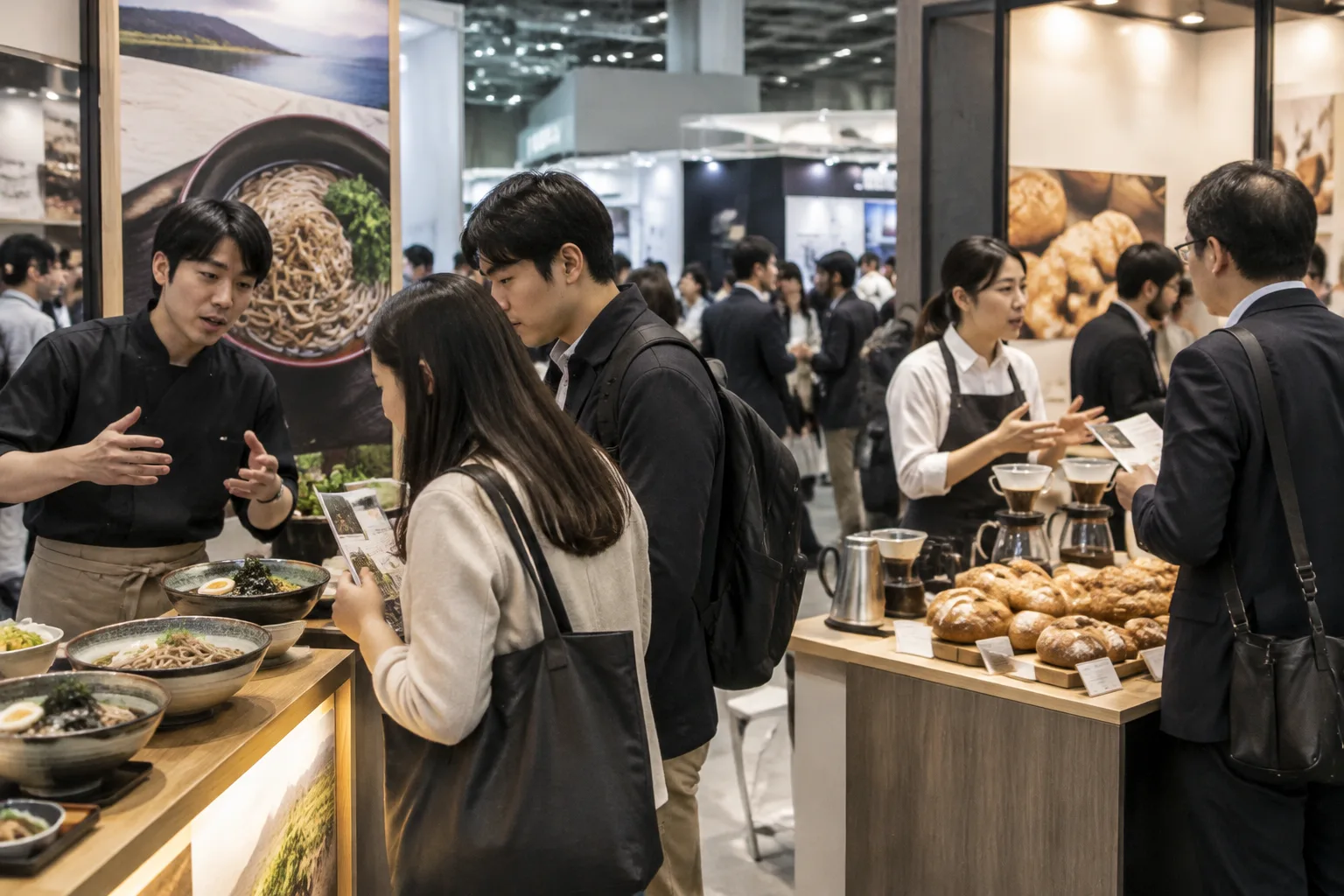
Kyochon F&B and Bonif presented buckwheat dishes and a premium bread-and-brewed-coffee concept at IFS. Familiar parent companies aside, prospective franchisees should examine each new brand’s operating requirements.
Himnanda Burger is helping people with hearing impairments and young care leavers run their own outlets. Its model aims to reduce operators’ personal financial contributions and covers six locations, including Sinbong, scheduled to open in October.
Three lawsuits brought by 410 bhc franchisees seek a combined KRW 106.3 billion in repayments of supply margins. The central issue is whether there was a specific agreement to pay those margins, rather than whether distribution margins themselves are unlawful.
Frank F&B, the operator of South Korea’s Frank Burger chain, is seeking to sell a controlling stake. The reported enterprise value is around KRW 73.5 billion, against a backdrop of falling revenue and fewer new openings.
A repayment claim brought by 290 Mega MGC Coffee franchisees has risen to around KRW 61.7 billion. Beyond the size of the claim, the key issues are each brand’s contract terms and whether franchisees agreed to the franchisor retaining supply margins.
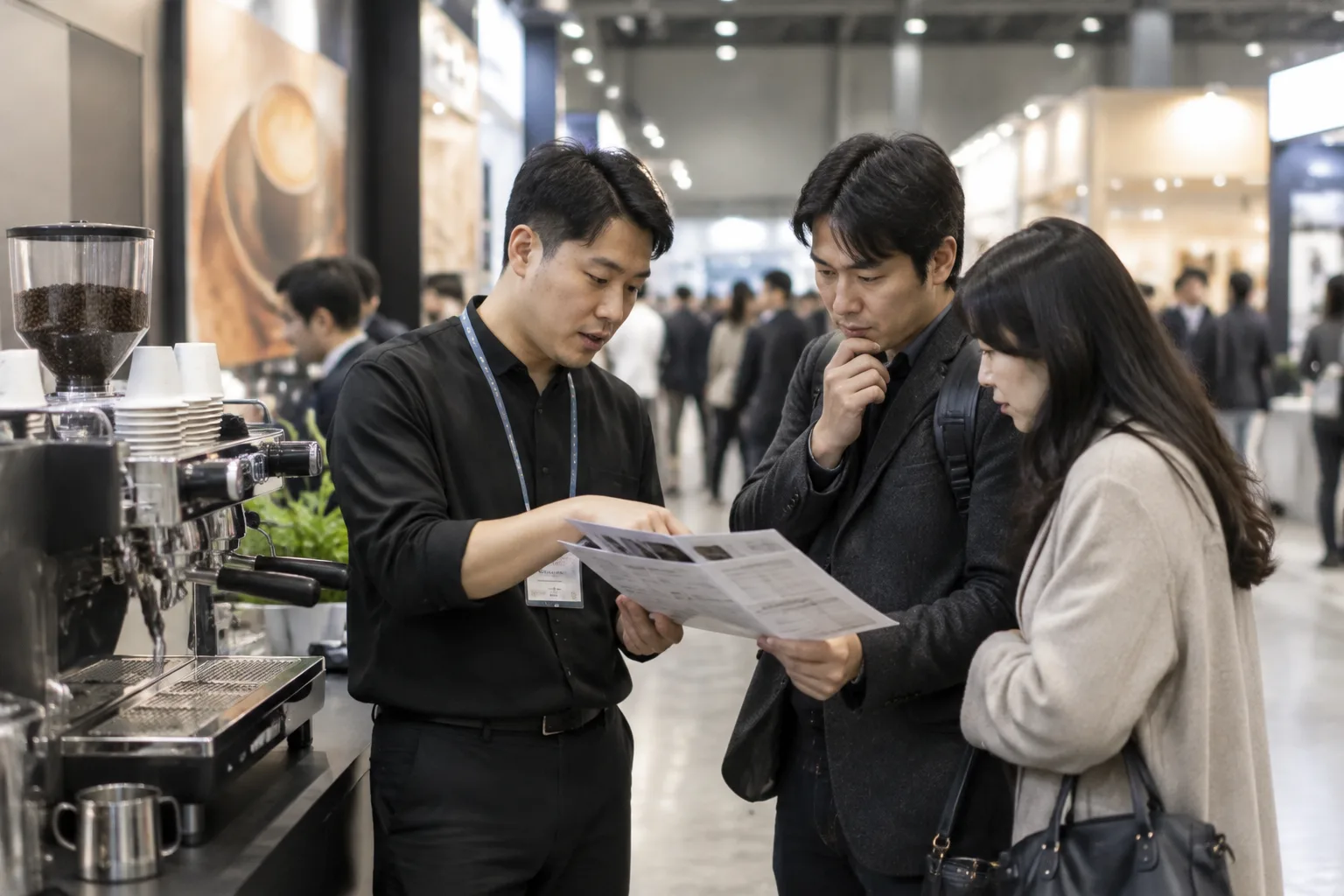
The IFS exhibition runs from 22–24 October at COEX Hall C in Seoul, with around 200 companies and 530 stands. Highlights include a new solo business zone, expert consultations and guided tours.
Outlets run by No Brand Burger’s multi-unit franchisees totalled 42 at the end of July 2026. Franchisees are expanding both within the same brand and into other brands owned by the same franchisor.
Cafe Frihet held a meeting attended by 83 franchisees from 60 outlets across South Korea. More than 40 questions submitted in advance helped shape discussions on boosting second-half trading and sharing store management know-how.
Kim Young-ki, chairman of QooQoo, has been elected to lead the ninth advisory panel. Its 26 experts will discuss shared growth for franchisors and franchisees, regulatory improvements and support for overseas expansion.
The Seoul Rehabilitation Court has opened rehabilitation proceedings for Manwolkyung. Despite store growth and profits, the chain has struggled to recover a loan to its coffee machine supplier and is also pursuing an M&A deal to restore financial stability.
Debate continues over whether the proposed registration requirements for franchisee groups ensure adequate representation. Association chairman Na Myung-seok has proposed a higher threshold or checks on support or authorisation for each issue discussed.
Combined franchisor sales at four cosmetics brands rose 28.4% between 2023 and 2025. Over the same period, TonyMoly, Cellenique and Skinfood lost franchised outlets, highlighting the need to examine changes in each brand’s distribution network.
An analysis of 258 South Korean brands by Leaders Index found that franchise outlet numbers fell by 0.6% between 2023 and 2025. Franchisor revenue rose by 2.9%, while average sales per outlet increased by just 0.6%.
Mega MGC Coffee has reached 4,500 stores with the opening of its Miryang City Hall branch in South Gyeongsang Province. The company says new openings will be guided by catchment-area analysis that considers existing franchisees’ trading territories, alongside assessments of individual store profitability.
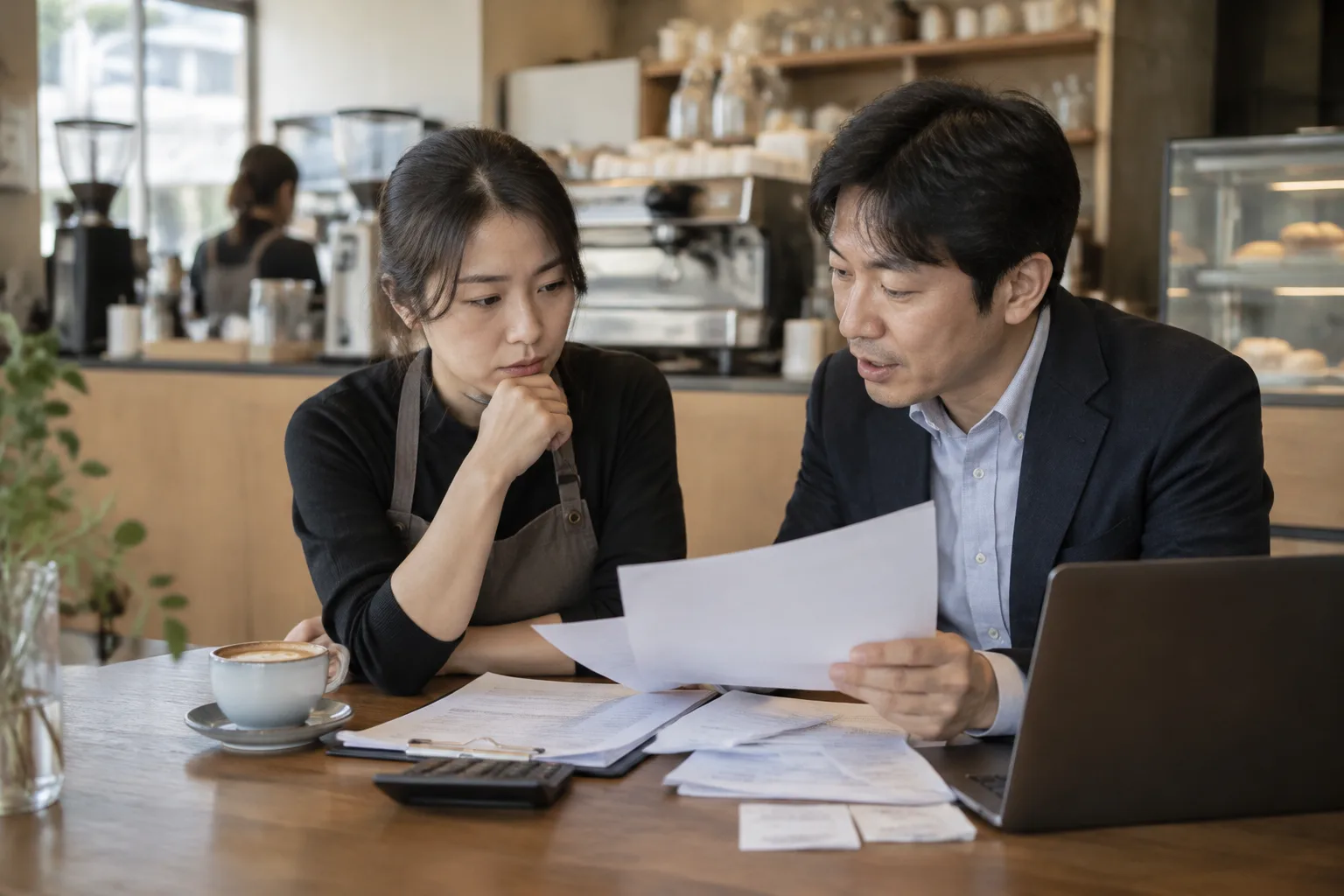
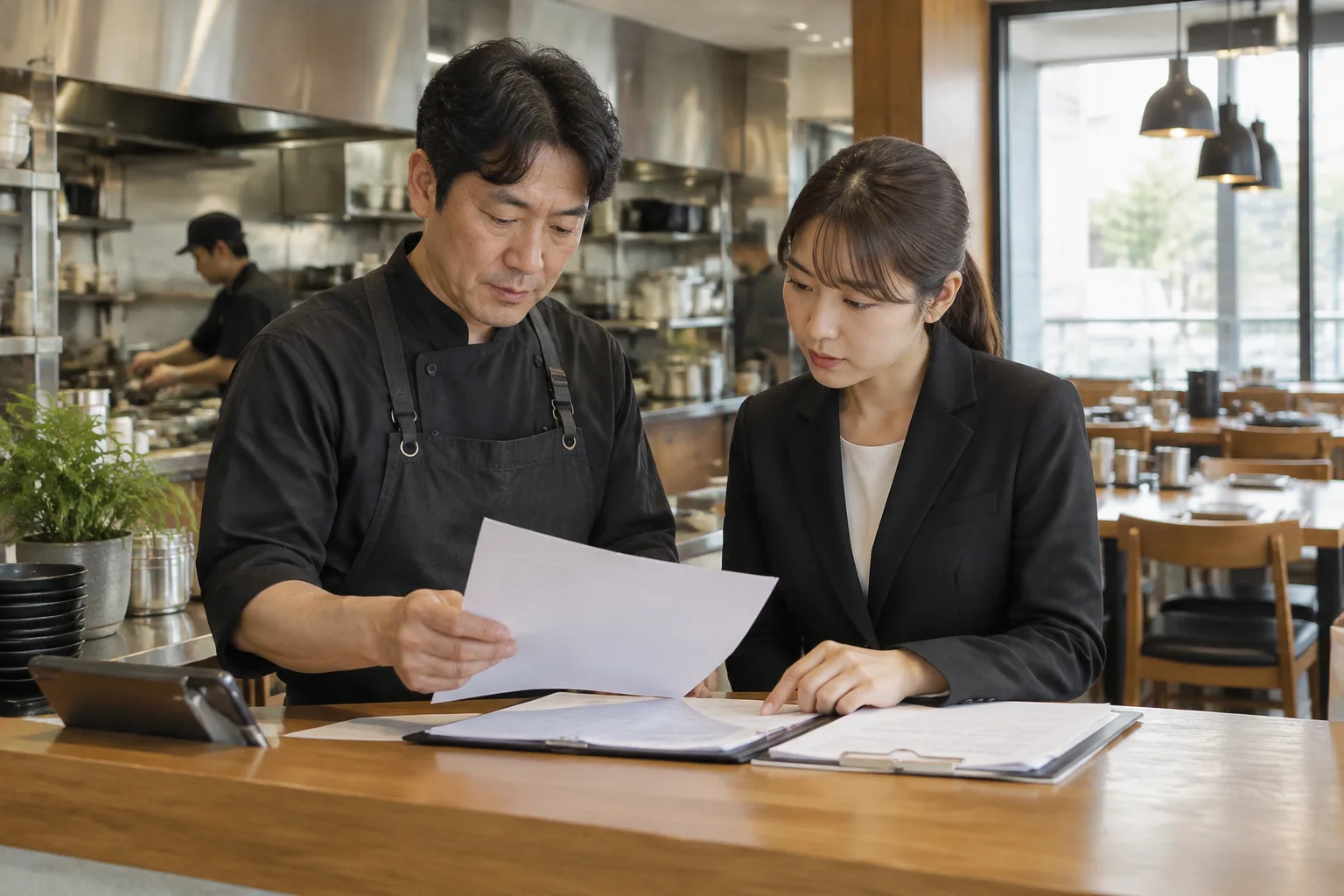
South Korea’s amended Fair Transactions in Franchise Business Act takes effect on 31 December 2026. While the final registration requirements and detailed consultation procedures still need to be checked, franchisors should review how they handle requests, from receipt to recording outcomes.
Kyochon Chicken has opened an outlet in Wuxi, Jiangsu province, and is preparing to launch a second in Shenzhen. Its menu combines signature chicken flavours with options tailored to local preferences as the brand expands its presence in China.
Theborn Korea’s company-owned and franchised network in South Korea fell to 2,993 stores at the end of June 2026. A September website tally also suggested a decline, but the two sources need to be assessed separately.
Juk Story is revamping its cook-to-order system, Manghyang Bibim Guksu is prioritising reliable supplies, and Damga Hwaro Gui is strengthening hygiene management. We examine how these South Korean franchises are improving outlet operations.
Theborn Korea is pursuing a nationwide rollout of its regional development model as its restaurant franchise business struggles. The key question is whether this new growth strategy can deliver actual profits.
BBQ has opened its first outlet in Mexico City, taking its Latin American network to 20 locations. It also plans a third New Zealand outlet in Whangārei as it expands overseas.
Ediya Coffee’s franchise outlet count fell from 3,005 in 2021 to 2,562 in 2024, taking it down to third place behind Mega MGC Coffee and Compose Coffee. We examine what the shift means and the limits of the data.
BBQ placed eighth out of 34 brands in YouGov’s 2026 assessment of emerging US restaurant brands. The result signals brand momentum in the US, but should not be confused with a ranking by sales or outlet numbers.
Bain Capital became Gong cha’s new owner this year, following UCK Partners and TA Associates. The change in ownership should be considered separately from any impact on franchise operations in South Korea.
The Venti’s average annual sales per franchised outlet fell from KRW 183.14 million in 2021 to KRW 174.03 million in 2024. Over the same period, Compose Coffee recorded a modest increase, while Mega MGC Coffee grew by 10.7%.
BBQ’s published survey of online interest in August offers an indication of brand visibility. However, readers should check its scope and counting methodology, and distinguish the findings from franchise outlet sales and profitability data.
The number of South Korean franchise brands whose disclosure document registrations were cancelled rose by 3.2% year on year in January–August 2026. Prospective franchisees should examine how company-owned outlets inform expansion plans, without mistaking registration cancellations for closures.
BBQ placed 21st overall in Brandstock’s Top 100 Brands of South Korea assessment for the second quarter of 2026. Brand rankings and online attention should be considered separately from franchise outlet sales and profitability.
BBQ ranked first in an August survey of online mentions of nine major chicken brands, with 27,613 posts. Reviews of Golden Olive Chicken and the Felix collaboration menu item, Fil Crunch, were highlighted as key topics.
South Korean restaurant franchises including Kyochon and BBQ are reportedly stepping up efforts to attract customers to their own apps. Readers should distinguish how the published figures are counted from evidence of actual usage.
Private equity firms reportedly hold the largest stakes in three of South Korea’s five leading burger brands. With deals expected in the second half of 2026, it is important to distinguish current ownership from the status of prospective transactions.
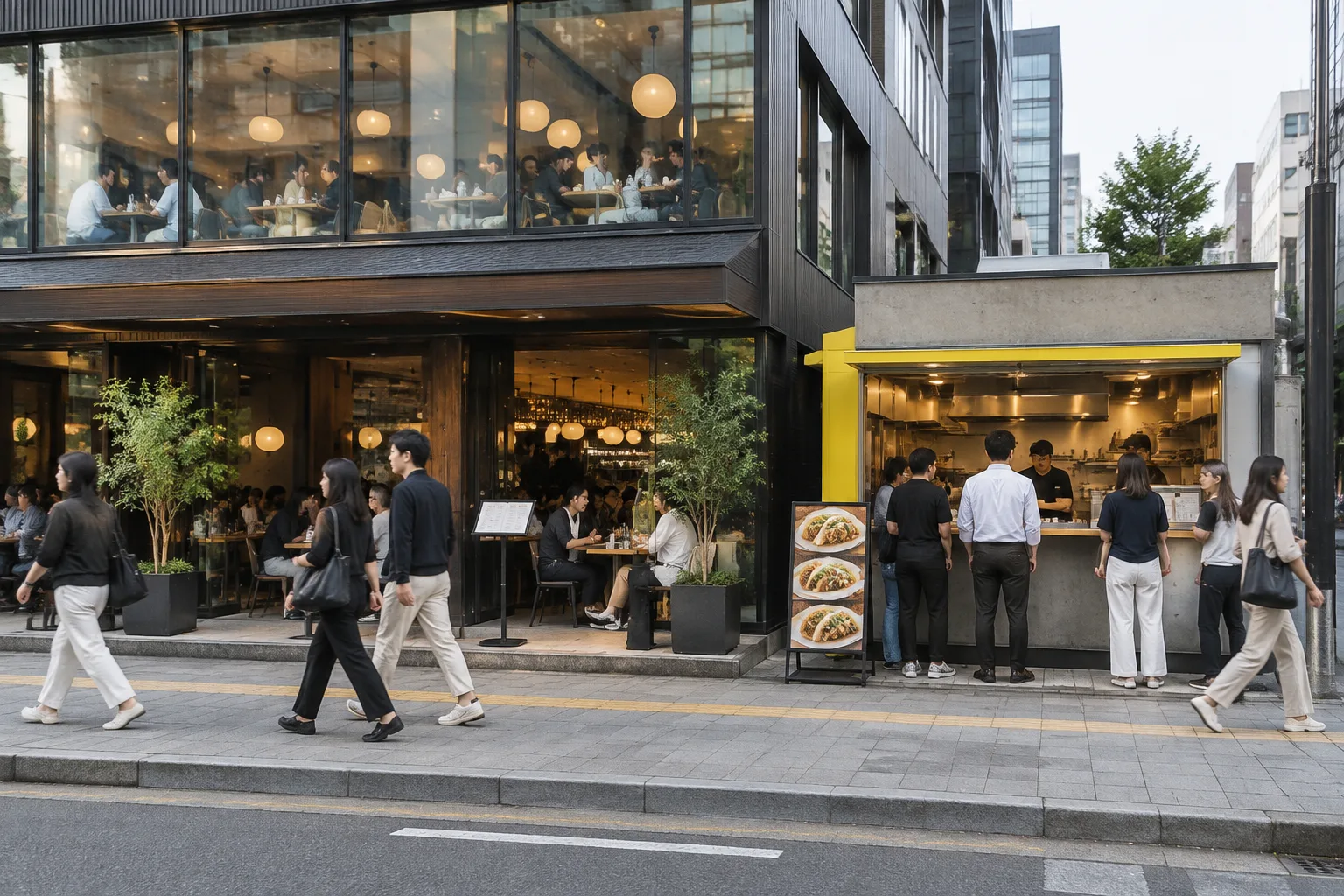
As overseas restaurant franchises open their first outlets in Gangnam, South Korean brands are responding with a collaborative taco pop-up. We examine the competition between permanent outlets and temporary shared spaces on Gangnam-daero.
South Korean MP Park Sung-hoon has urged the Fair Trade Commission to examine the growth gap between coffee franchisors and their franchisees. What has been confirmed is a request for scrutiny, not the launch of an investigation or an announcement of regulatory changes.
Franchised outlet numbers at South Korea’s top 10 coffee chains rose by 41.3% between 2021 and 2024. At Mega MGC Coffee, network growth far outpaced the increase in average sales per outlet.