Luckin Coffee registers trade marks as Green Tea Restaurant prepares for South Korea entry
Luckin Coffee has completed its South Korean trade mark registration, while Green Tea Restaurant is preparing to enter the market. As Chinese brands expand into more categories, supply chains and consistent store operations are becoming key points of comparison.
Published
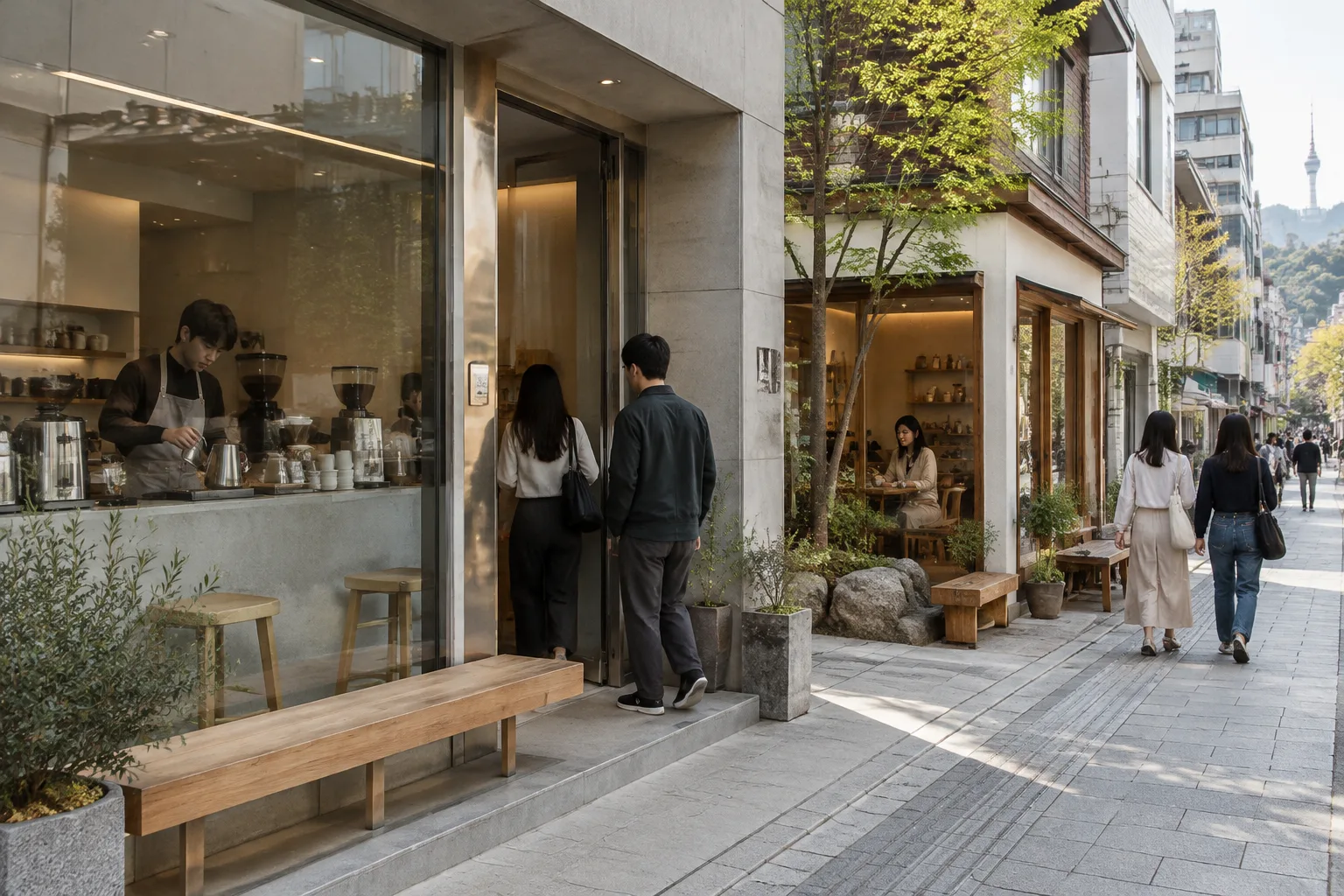
Chinese franchise brands’ expansion into South Korea is moving beyond hotpot and malatang into home-style dining, tea drinks and coffee. According to an October 27 report in The Korea Economic Daily, Chinese home-style dining brand Green Tea Restaurant is among those preparing to enter South Korea, while Luckin Coffee has completed its trade mark registration in the country. For those assessing the South Korean franchise market, the story is not simply the arrival of new names, but also the ingredient supply chains, production automation and digital ordering systems behind them.
Luckin Coffee and Green Tea Restaurant prepare for entry
The developments newly confirmed in the report were Green Tea Restaurant’s preparations to enter South Korea and Luckin Coffee’s completion of its South Korean trade mark registration. The report described Luckin Coffee as China’s largest coffee franchise. These moves show Chinese brands’ expansion into South Korea broadening from particular menu categories to everyday meals and drinks.
However, preparations to enter a market should be distinguished from actual store openings. Completing a trade mark registration does not, on its own, confirm the opening date or location of a first South Korean store. Green Tea Restaurant was also reported to be at the preparation stage. Prospective franchisees should not immediately interpret such news as the launch of franchise recruitment or an opportunity to sign a franchise agreement.
This distinction also matters when assessing how a brand will operate locally. A brand’s interest in South Korea and the operating model it adopts there are separate issues. For prospective franchisees, concrete information about the contracting party, scope of support and cost structure is more directly useful than brand recognition.
The key point, therefore, is that both brands are preparing for entry, rather than expanding an existing South Korean store network. Future announcements should likewise be assessed separately for trade mark procedures, store openings and franchise development. Treating these distinct stages as a single rollout plan risks misreading the actual progress of the business.
Results and openings among brands already in the market
The report cited the performance of earlier entrants Haidilao and Chagee as a reason other brands are taking an interest in South Korea. Haidilao Korea recorded revenue of KRW 117.7 billion last year, up 50.9% on the previous year. Operating profit was KRW 20.2 billion, with an operating margin of 17.2%. These figures represent the results of the company operating the business in South Korea.
They should not be read as individual store profit margins or projected franchisee earnings. Corporate revenue and operating profit indicate the performance of the business as a whole; they do not mean that a store in a particular catchment area will achieve the same results. When reviewing local operating performance, first establish which business entity the figures refer to and what activities they cover.
In tea drinks, Chagee entered South Korea following Mixue, Chabaidao, Heytea and Auntea Jenny. Chagee opened stores simultaneously in Seoul’s Gangnam, Yongsan and Sinchon districts on April 30. These openings show that Chinese brands are building a local operating presence in tea drinks as well as hotpot.
However, the results of earlier entrants cannot be taken as evidence that later arrivals will succeed. Meals and drinks serve different purchasing needs and involve different patterns of store use. Even within drinks, the relevant competitors vary by menu and price. When assessing a franchise opportunity, it is more useful to focus on what the brand offers South Korean customers than on its Chinese origins alone.
Procurement, automation and ordering systems underpin competitiveness
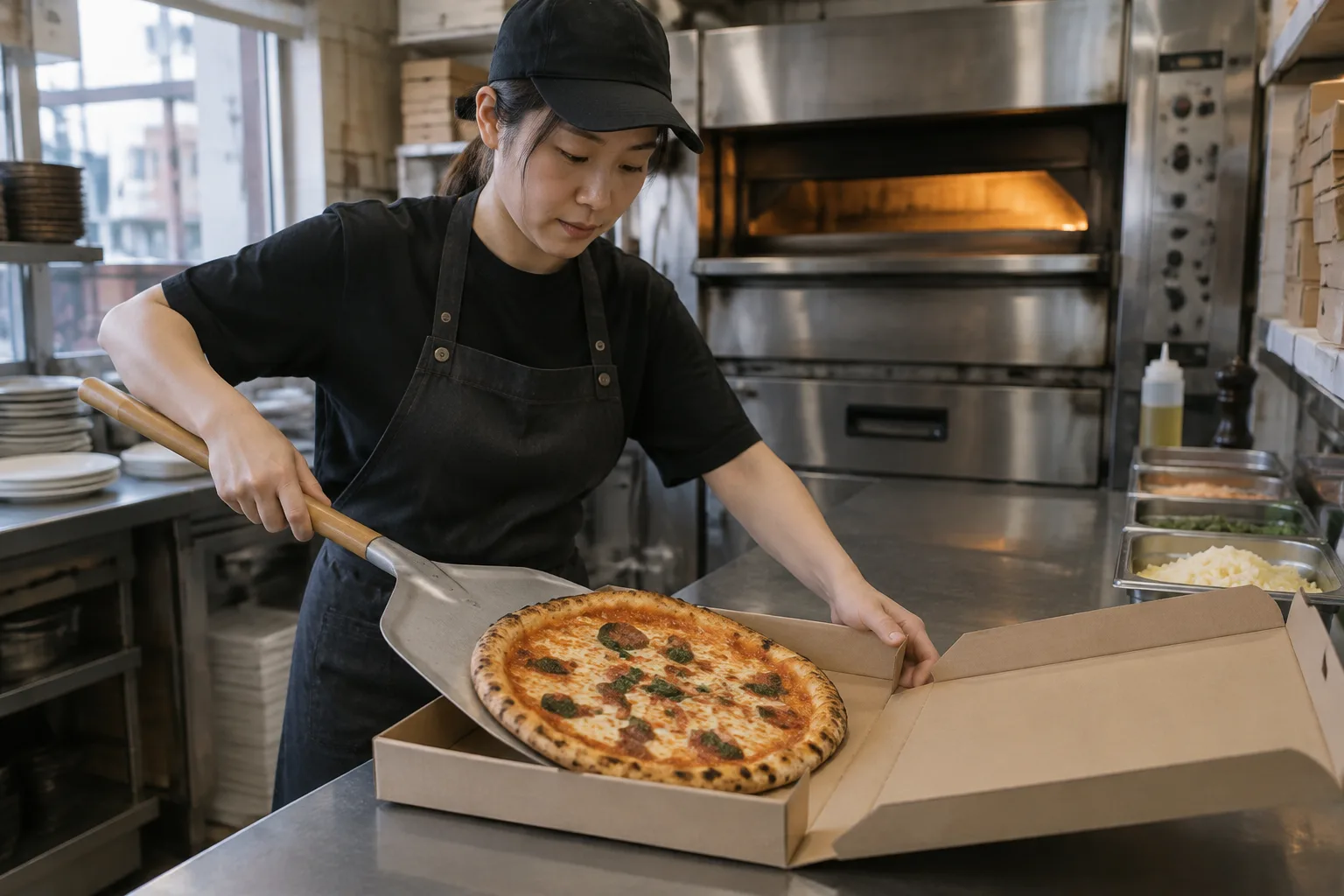
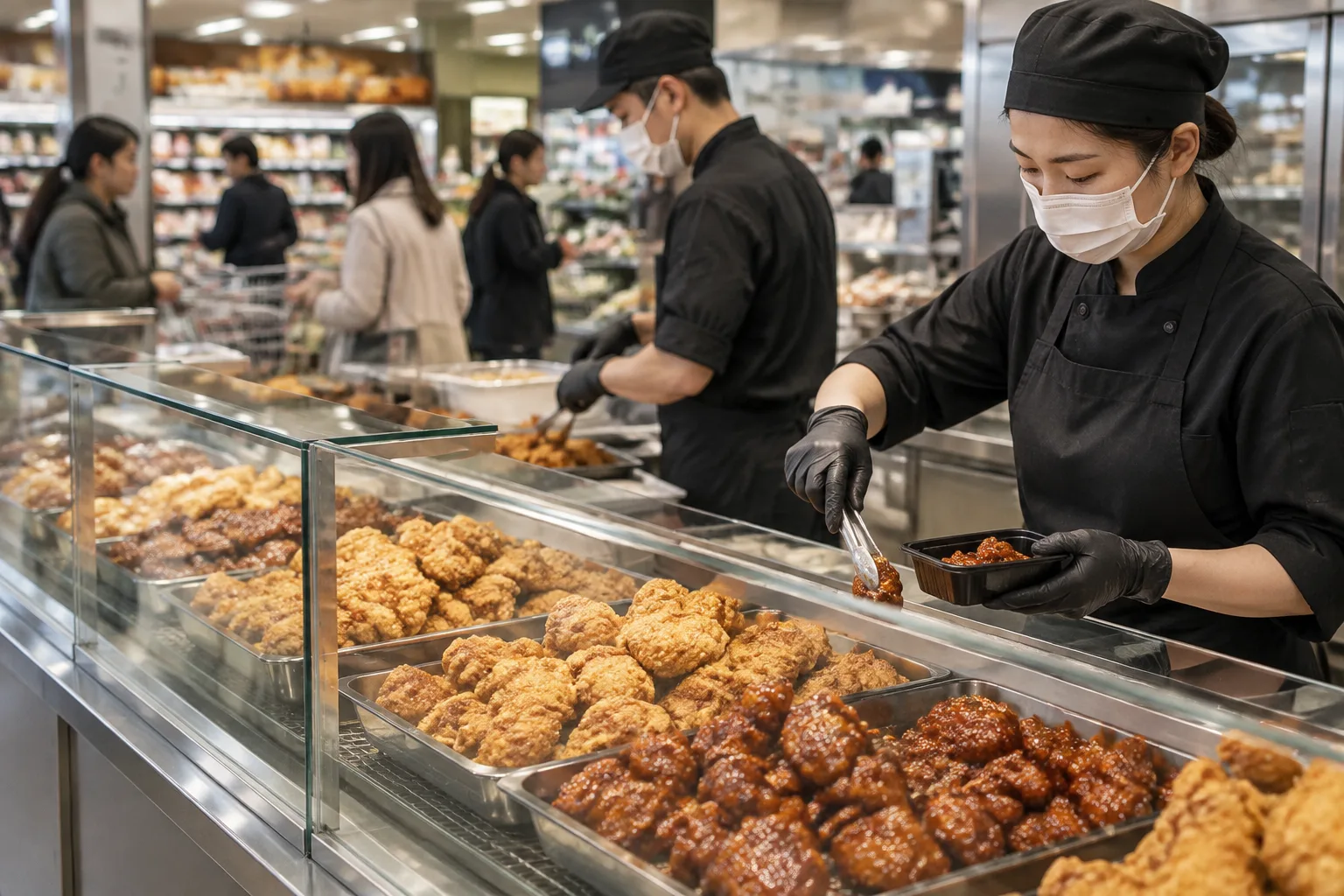
The report explained that Chinese brands are using ingredient supply chains, production automation and digital ordering systems developed in their vast home market as a foundation for entering South Korea. Bulk procurement and automated production can reduce costs and standardise quality. This is an operational characteristic that should be distinguished from simply offering low selling prices.
For franchisors and franchisees, the important question is how these systems work in individual stores. Rather than focusing solely on the scale of the supply chain, they should check whether ingredient quality, storage conditions and preparation processes are managed consistently. The report also noted that competition is shifting towards delivering consistent taste and service and earning consumer trust.
When assessing brands preparing to enter South Korea, their operating experience in China should be considered separately from results demonstrated locally. Claims about large-scale procurement systems are not enough to calculate the costs or profitability of South Korean stores. Local supply terms and store operating data need to be checked separately before meaningful comparisons can be made.
Prospective franchisees can go beyond asking whether a brand has automated equipment and enquire which tasks it actually reduces. It is also worth examining which stages are standardised, from receiving, storing and preparing ingredients to taking orders, making products and handing them to customers. These are checks for clarifying operational claims, rather than grounds for declaring one brand superior to another.
As franchise brand numbers grow, comparisons need to become more specific
According to the Korea Fair Trade Commission’s ‘2025 Franchise Business Overview’, published in April this year, the number of foodservice franchise brands rose by 10.3% year on year to 10,886. The number of foodservice franchise outlets increased by 1.5% to 183,714. Both totals grew, but at different rates.
These figures alone cannot establish the impact of Chinese brands’ entry on South Korean franchise outlets. They do, however, provide context for the range of brands and operating models that prospective franchisees must compare in the market. The arrival of new brands and the operating performance of existing outlets are separate indicators that should be examined independently.
For established franchisors, explaining what differentiates their products and operations is becoming important alongside expanding their store networks. Franchisees, too, can look beyond competitors’ opening announcements and check whether their own stores deliver consistent taste and service. Reliable supply and food preparation processes are useful points of comparison for both new entrants and established brands.
The key to interpreting this wave of Chinese brands entering South Korea is to distinguish preparations for entry, existing companies’ financial results and actual store openings. In practical terms, do not mistake trade mark registration for franchise recruitment. Consider an investment only once local operating terms and store-level cost information have been verified.