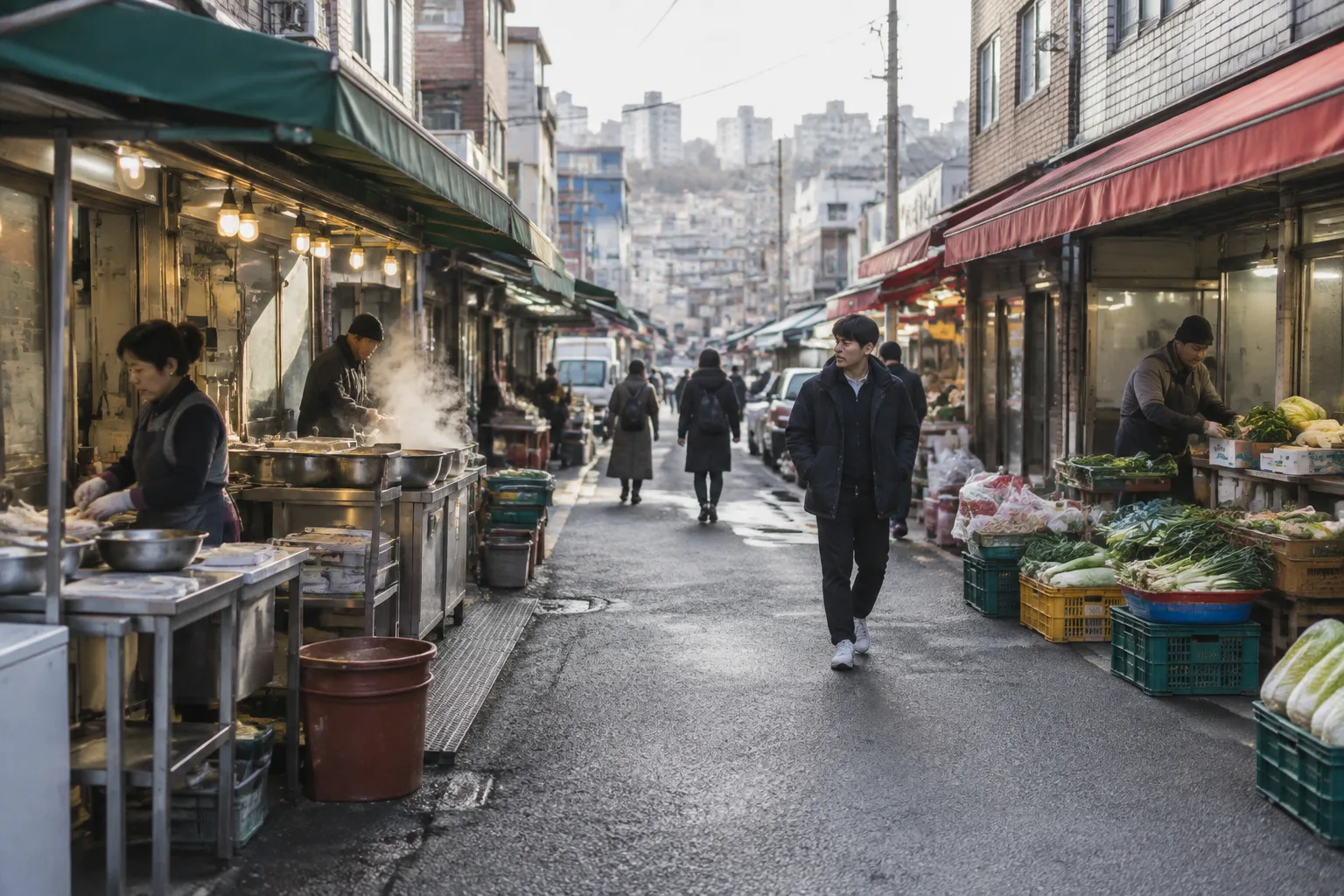
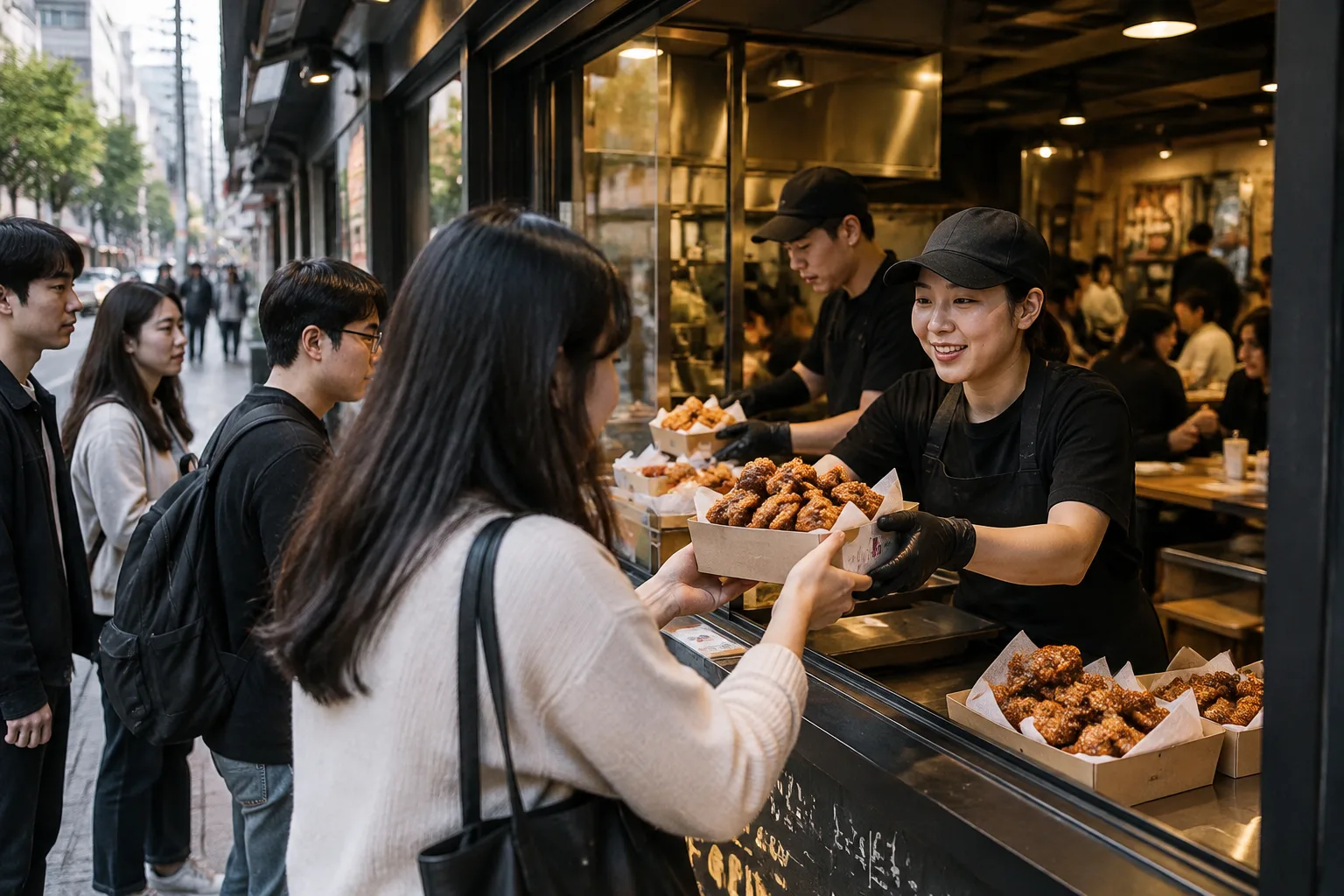
Juk Story, Manghyang Bibim Guksu and Damga Hwaro Gui focus on cooking, logistics and hygiene
Juk Story is revamping its cook-to-order system, Manghyang Bibim Guksu is prioritising reliable supplies, and Damga Hwaro Gui is strengthening hygiene management. We examine how these South Korean franchises are improving outlet operations.
Published
South Korea’s restaurant franchise sector is taking steps to refine cooking methods, supply logistics and hygiene management. According to a Sports Chosun report dated 28 September 2026, Juk Story, Manghyang Bibim Guksu and Damga Hwaro Gui are taking different approaches to strengthening operations at existing franchised outlets. These examples merit attention for what is changing inside restaurants, rather than for new openings.
Juk Story revamps cooking methods with single-portion pressure cookers
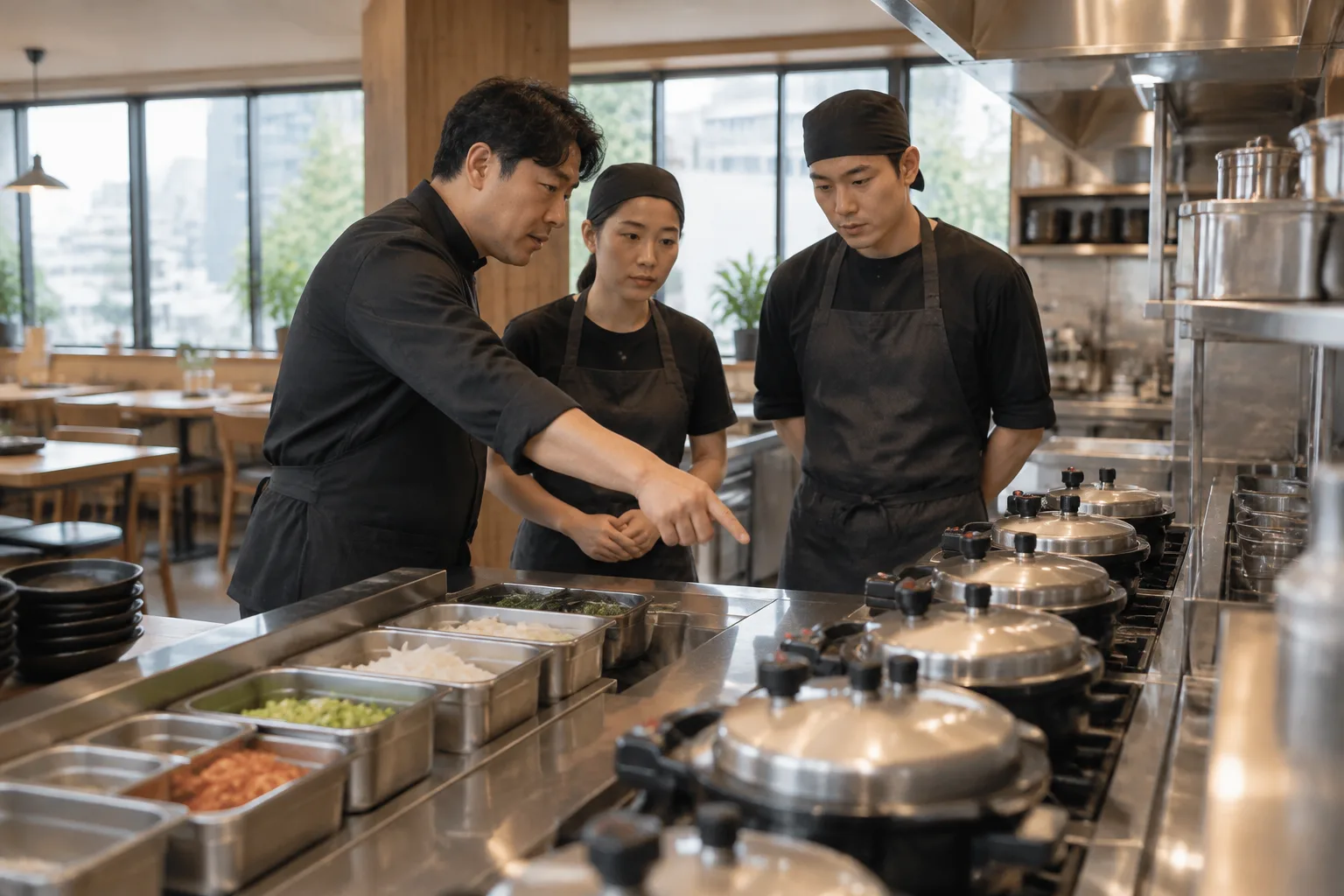
Juk Story is testing a casual Korean dining format centred on pot-cooked rice porridge and rice. At its heart is a cook-to-order system using individual pressure cookers. The report described the revamp as a way to preserve the brand’s concept while securing long-term operational stability for franchisees. The stated priorities are stable operations at existing outlets and a broader customer base.
The specific changes identified concern the menu’s focus and the cooking equipment. Pot-cooked porridge and rice, single-portion pressure cookers and cooking to order are presented as parts of the same approach. This is better understood as a change in how outlets prepare and serve food than simply the addition of a new dish. However, the report did not state that the system had been introduced across all franchised outlets.
For franchisees, the next important question is how the new cooking method translates into day-to-day work. Points to check include space for the equipment, cooking sequences during peak periods and whether the system can run alongside the existing menu. These are considerations to assess before adoption, not proven outcomes of the revamp. Introducing cooking to order does not, in itself, establish that staffing pressures have eased.
The report provided no before-and-after figures for sales, customer mix or cooking times, nor details of additional investment costs. A broader customer base should therefore be understood as an intended direction, and operational stability as a goal. Further operating data would be needed to assess which customers the new format has actually attracted. For now, the key development is that Juk Story is changing its cooking system while retaining its existing brand identity.
Manghyang Bibim Guksu supports outlets through production and logistics
Manghyang Bibim Guksu was presented as an example of a franchise supporting its outlets through established cooking and logistics systems. It has developed the corporate brand Blue Mill and operates the Manghyang food production facility as part of that support structure. According to the report, the brand has prioritised reliable supplies over expansion. The report also credited simpler in-store preparation processes with making operations easier for franchisees.
Where Juk Story is changing cooking equipment and menu formats inside its restaurants, Manghyang Bibim Guksu is focusing on the ingredients supplied to outlets and the systems that support food preparation. Both initiatives concern outlet operations, but their practical approaches differ. Rather than treating them as the same kind of revamp, it is more accurate to distinguish the tasks each is intended to support.
Franchisees assessing logistics support should examine actual supply terms, independently of whether the franchisor operates a factory. Relevant points include delivery schedules, procedures for changing orders, responses to supply disruptions and the preparation work still required in-store. The report did not disclose these details. Operating a production facility should not be taken to mean that ordering and stock management burdens have been eliminated at every outlet.
The assessment that cooking processes have been simplified should also be distinguished from measurable results. The article gave no figures on how many preparation steps had been removed, how working hours had changed or whether ingredient waste had fallen. What matters at this stage is that reliable supplies and in-store cooking support are central to the brand’s operating approach. Specific benefits require further verification through outlet-level information on workflow changes and costs.
Damga Hwaro Gui pauses franchise recruitment to strengthen hygiene management
Damga Hwaro Gui has recently suspended franchise recruitment temporarily. According to the report, the decision was intended to focus on strengthening and managing quality, service and cleanliness — known as QSC — at franchised outlets, as well as improving sales. The pause in recruitment and its stated purpose distinguish this case from the other two brands’ cooking and logistics initiatives. The article did not say when recruitment would resume.
One specific initiative highlighted was a head-office-led programme to obtain food safety establishment certification for franchised outlets. At the time of reporting, 76 outlets had completed certification. The brand was also said to be strengthening hygiene management through services provided by CESCO, a South Korean hygiene and pest-control company. The figure of 76 refers specifically to certified franchised outlets. It should not be read as the brand’s total outlet count or as evidence that every franchisee had completed certification.
The article did not explain the detailed certification criteria, validity period or frequency of follow-up inspections. Completion of certification indicates progress in management activities, but does not guarantee that hygiene standards at each outlet remain consistently unchanged. Franchisees should check the certification process alongside routine inspection requirements, staff responsibilities and the support available when improvements are required. These are practical checks for understanding how the management system works.
Higher sales are also an objective of the recruitment pause, not an already proven result. The report provided no figures showing changes in outlet sales or profits following the stronger management measures. There is therefore no basis for claiming that pausing recruitment caused sales to rise. What can currently be established is that Damga Hwaro Gui has temporarily halted new franchise recruitment to focus on existing outlets while pursuing certification and hygiene management activities.
Distinguish operational changes from their results
These three brands show how operational improvements are taking different forms across the franchise sector. Juk Story is focusing on a cook-to-order system, Manghyang Bibim Guksu on production and logistics support, and Damga Hwaro Gui on a recruitment pause and hygiene management. Although the actions taken by each brand are identified, the report offers no comparative data that would justify presenting them as shared evidence of improved profitability.
When reading franchisor announcements or related coverage, it is useful to separate actions taken, intended objectives and verified results. Introducing pressure cookers, operating a production facility and completing certification are actions. Securing operational stability, broadening the customer base and increasing sales are objectives. Whether those objectives have translated into results requires separate outlet operating data. The same distinction should be applied to these examples.
Existing franchisees and prospective investors also need to ask slightly different questions. Existing franchisees should first establish the implementation timetable for their outlet, any additional work required and the costs they will bear. Prospective franchisees should examine how the support described is reflected in the actual contract and operating guidance. It is important not to assume that changes mentioned in a report apply to every outlet on identical terms.
The practical conclusion is straightforward. When an operational improvement is announced, start by asking head office which outlets it covers, what obligations and costs fall on franchisees, and how follow-up checks will work. The introduction of a new system and its usefulness to your own outlet are two separate matters to assess.