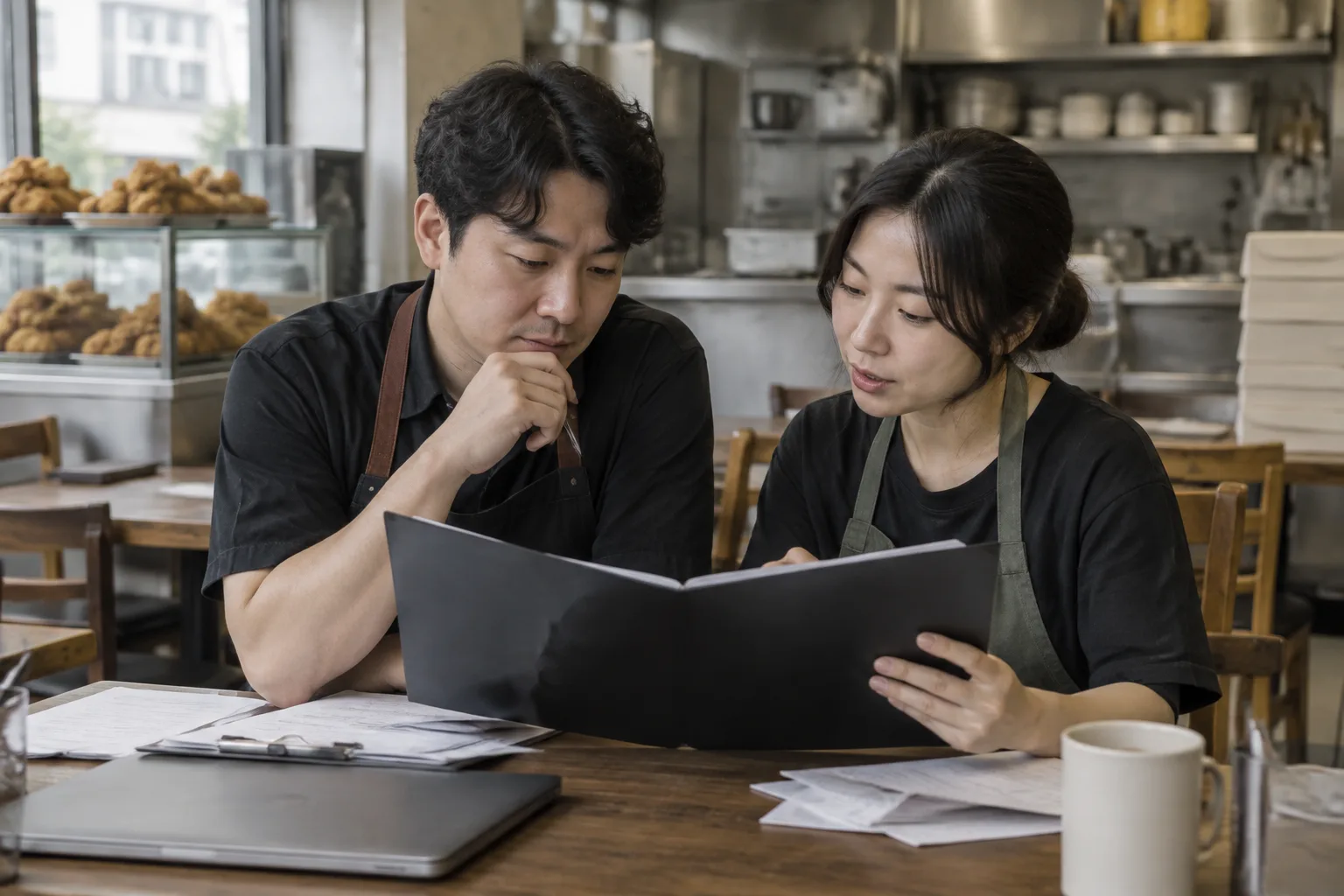
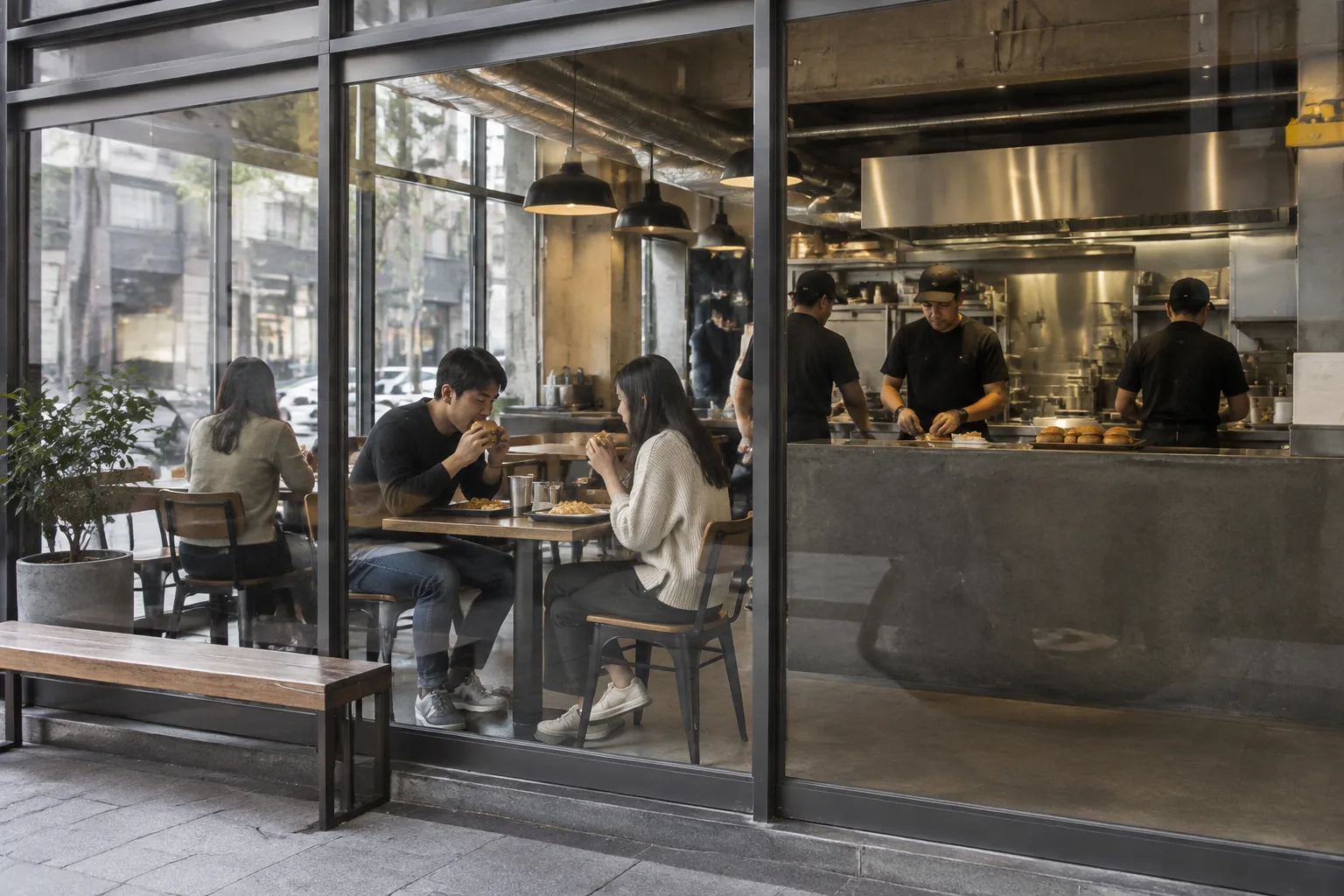
Himnanda Burger supports disabled entrepreneurs and young care leavers across six locations, including Sinbong
Himnanda Burger is helping people with hearing impairments and young care leavers run their own outlets. Its model aims to reduce operators’ personal financial contributions and covers six locations, including Sinbong, scheduled to open in October.
Published
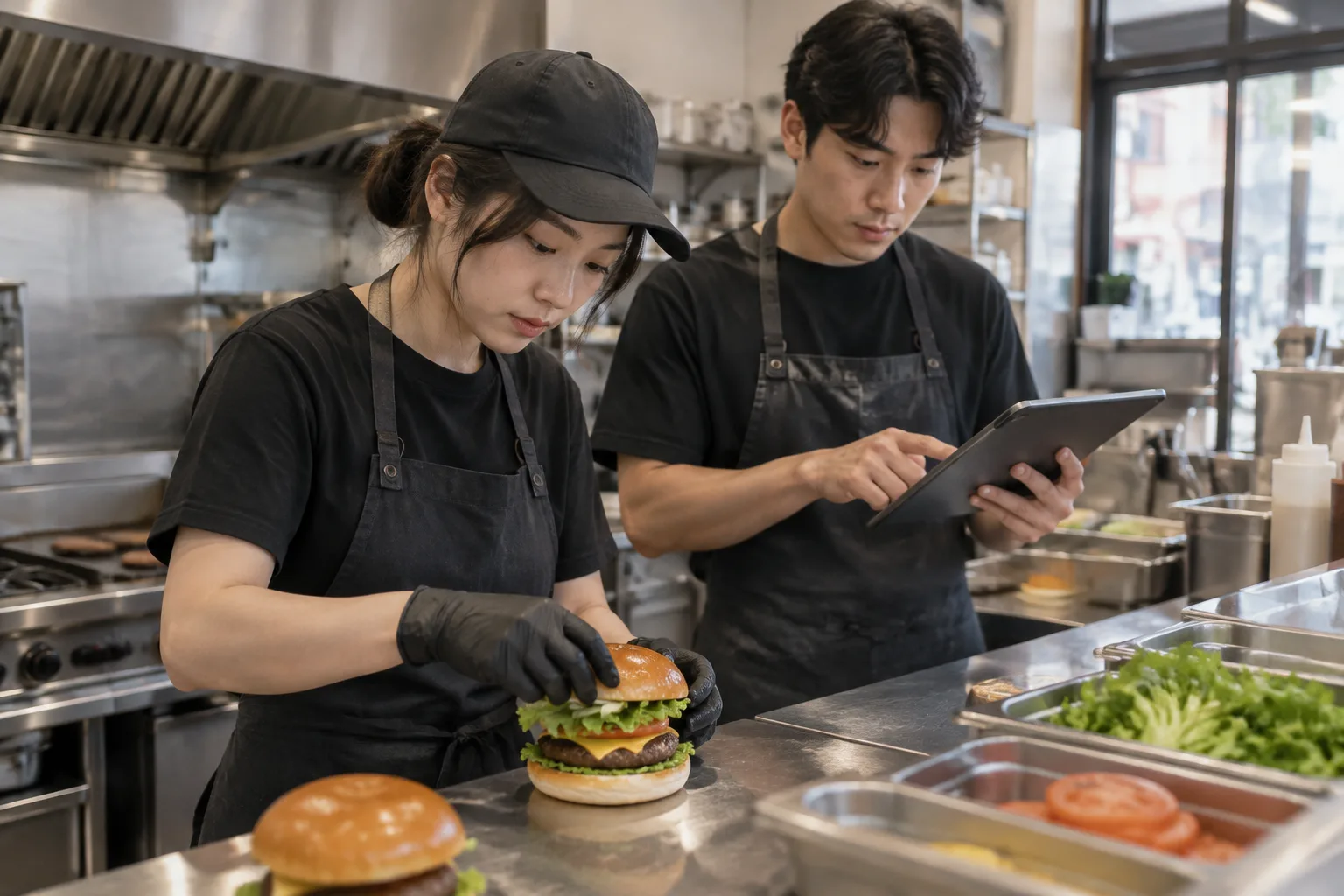
Himnanda Burger is running a franchise model designed to lower the barriers to business ownership for people with hearing impairments, young people leaving care and other disadvantaged groups. Rather than focusing solely on expanding its outlet network, the approach emphasises owner-operated businesses and opportunities to earn an income. For those exploring South Korea’s franchise market, it offers a case study in combining access to franchising with support for independent living.
Six locations, including Sinbong, support owner-operation by disadvantaged groups
According to the Dong-A Ilbo’s ‘Value Entrepreneurship Report’, published on 21 October, Himnanda, the company behind Himnanda Burger, operates an ‘impact franchise’ model to help socially disadvantaged people become financially independent. The series features cases jointly identified by the Gyeonggi Social Economy Institute and the Dong-A Ilbo, exploring business models that pursue both profitability and social value.
Rather than recruiting franchisees from the general pool of prospective entrepreneurs, Himnanda Burger’s support model focuses on helping people with hearing impairments and young care leavers run outlets themselves and earn an income. The central feature is that the people receiving support become the operators of the businesses.
The model began in earnest last year. As of the report’s publication in October 2026, there were six impact franchise locations, including the Sinbong outlet, which was scheduled to open that month. The figure of six therefore includes a planned opening; it should not be read as the number of outlets already trading.
The key point is less the number of locations than how the opportunity to start a business is structured. Understanding the model starts with asking who is offered the chance to operate an outlet, how far their initial financial burden is intended to be reduced, and how direct operation is meant to generate income. New openings need to be considered alongside the scheme’s social purpose.
However, the aim of supporting independence must be distinguished from evidence that it has been achieved. Opening an outlet is the beginning of operations: it does not, by itself, demonstrate a stable income for the entrepreneur or long-term business success. The same distinction should guide any assessment of a supported franchise model.
Different personal contribution targets for delivery-only and street-level outlets
Himnanda Burger’s model focuses on reducing disadvantaged entrepreneurs’ initial investment burden. It aims to bring the operator’s personal contribution below KRW 10 million for a basement delivery-only outlet and below KRW 30 million for a ground-floor, street-facing outlet. The target therefore varies by outlet format.
The important term here is ‘the operator’s personal contribution’. These figures should not be interpreted as the total cost of opening an outlet. They are also targets within a model intended to reduce the operator’s financial burden, not confirmed opening quotes offered to every applicant on identical terms.
Prospective operators should first establish what their contribution covers. They need to distinguish between premises-related costs, fit-out and equipment, and preparations for opening. This is not a claim about Himnanda Burger’s specific cost structure, but a necessary step in understanding the figures presented.
If further funding is required beyond the operator’s contribution, its source and terms also need scrutiny. Whether it is non-repayable support or money that must eventually be repaid makes a difference to the obligations involved. The duration and scope of any support should likewise be checked against the contract and supporting information.
The goal of reducing the initial contribution concerns entry into business ownership. Costs and revenue after opening require a separate assessment. A lower start-up contribution does not necessarily mean that less working capital will be needed, nor does it guarantee a particular level of profit. These issues should be considered separately.
Support for independence depends on conditions after opening
Himnanda Burger’s stated aim is to help disadvantaged entrepreneurs earn an income by running their own outlets. From an operator’s perspective, assessing that aim requires looking beyond signing the agreement and opening the premises to the practical conditions needed for day-to-day trading. Support for opening and support for ongoing operations are distinct topics to raise.
For an entrepreneur with a hearing impairment, for example, important questions may include how training is delivered and how they can communicate with head office while running the outlet. This does not mean that any particular support system is currently available; these are questions to ask in light of the individual’s operating needs.
Young care leavers should also examine training, operational advice and procedures for contacting support when problems arise, taking account of their experience and financial circumstances. Rather than simply checking eligibility, it is useful to ask specifically what help would be available once they take responsibility for an outlet.
The choice between a basement delivery-only outlet and a ground-floor, street-facing outlet should not be based solely on the personal contribution required. Prospective operators should also consider how orders are received and fulfilled, the work involved and what they can realistically manage themselves. Support terms and operational suitability need to be assessed together.
Where there is an opportunity to learn from existing supported outlets, useful questions extend beyond sales figures to the tasks operators actually carry out and their experience of accessing support. However, the experience of an individual outlet should not be treated as a result that every entrepreneur can expect. Any advice received should be checked against the prospective operator’s own circumstances.
The wider franchise community should track support and sustainability
This case broadens the way the franchise community can assess news of new openings. Alongside the number of outlets, it invites consideration of who can participate and which financial barriers the model seeks to lower. Himnanda Burger has made direct operation by disadvantaged entrepreneurs the focus of its support and set personal contribution targets for different outlet formats.
Future assessments should consider not only the number of supported locations but also whether they remain in operation, the income opportunities they provide and how the support terms are implemented. These are criteria for monitoring progress towards independence, not a claim that the model’s success has already been demonstrated.
The Sinbong outlet was also described in this report as scheduled to open in October. Whether it subsequently opens and how it performs should be verified separately from the announcement. Distinguishing plans from implementation, and implementation from results, matters both to prospective franchisees and to others evaluating supported franchise models.
In practical terms, start by checking eligibility, what the personal contribution includes and what operational support is available after opening. Treat the lower initial contribution as a starting point, then assess the contract terms alongside your own ability and circumstances. That is the most useful way to apply the information in this report.