Polypark plans stores linked to self-reliance programmes, targeting openings in the first half of 2027
Polypark has held business briefings at regional self-reliance centres in Incheon, Jeju and Daejeon as it explores stores linked to local employment and income-support programmes. Discussions are under way on using its head-office operating systems, with openings targeted for the first half of 2027.
Published

Pet supplies franchise Polypark is pursuing store openings linked to local self-reliance programmes, which help people on low incomes move towards financial independence through work. Its operator, Popaco, is expanding business briefings for regional self-reliance centres across South Korea and discussing potential openings in the first half of 2027, focusing on areas where briefings have already taken place. The initiative aims to connect the franchise network’s existing product supply chain and store management systems with local self-reliance schemes.
Briefings in Incheon, Jeju and Daejeon lead to local follow-up discussions
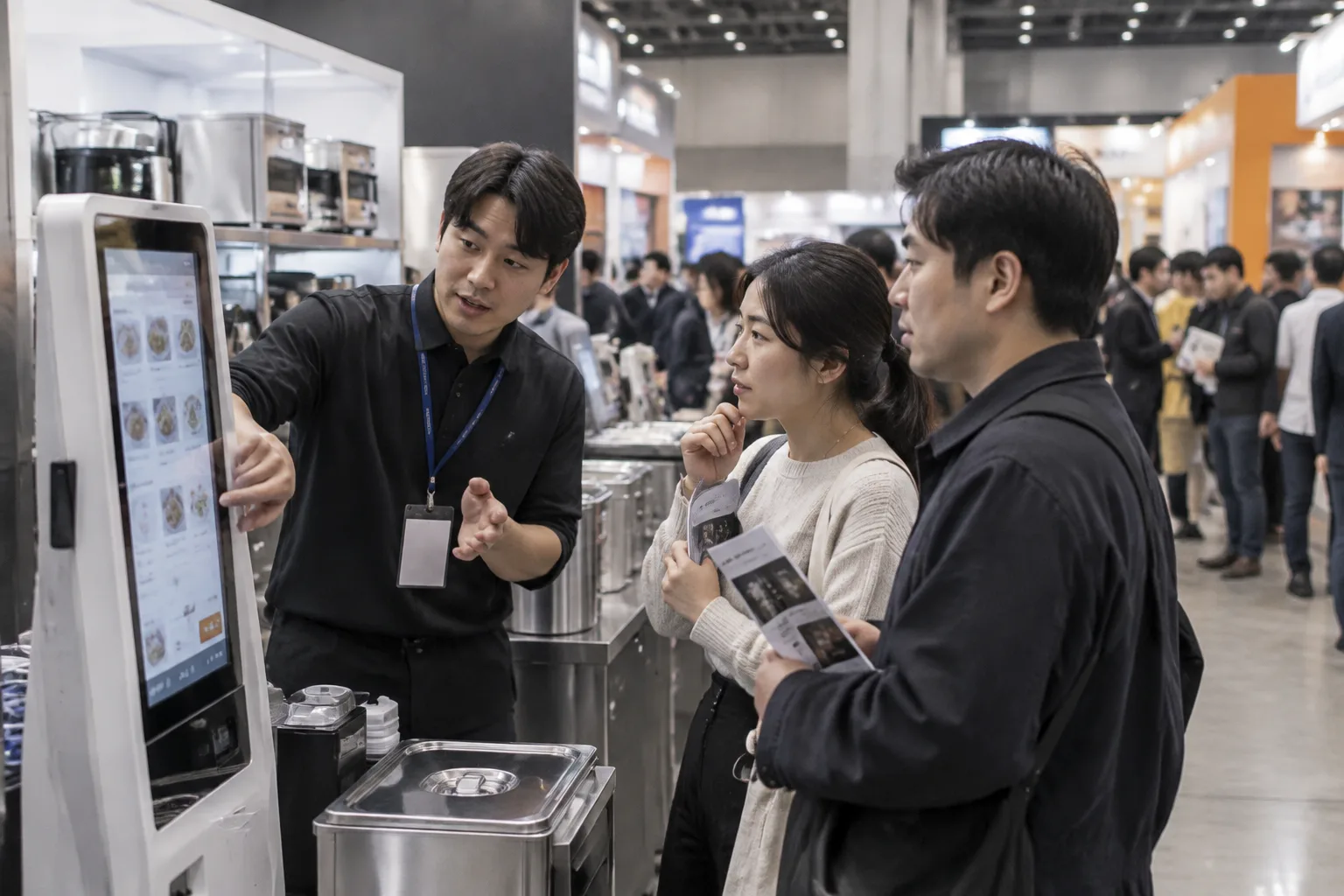
According to a report published by South Korean business publication Economist on 29 October, Polypark held a business briefing with the Incheon Regional Self-Reliance Centre at Bupyeong Arts Centre in Incheon on 7 October. Further briefings followed at the Jeju Regional Self-Reliance Centre on 14 October and the Daejeon Regional Self-Reliance Centre on 27 October. Rather than confirming an opening in one area before expanding elsewhere, the company is assessing feasibility with relevant organisations in several regions.
The briefings are intended to explore whether Polypark stores can be opened through self-reliance programmes and to explain the business structure and systems needed to run them. Polypark director Moon Dong-hoon outlined the franchise business, its store operating model and the key considerations involved in setting up and opening a shop. The company said the sessions went beyond introducing the brand to explain how the business operates.
Polypark plans to hold further briefings with around ten regional bodies nationwide before the end of the year. Follow-up discussions are also taking place in areas where briefings have already been held. As local business conditions and operating arrangements vary, the company intends to review these before discussing specific opening plans. Areas that have hosted briefings should therefore not be treated as confirmed store locations.
The current timetable is a target being discussed, with openings envisaged for the first half of 2027. The nationwide briefing programme and plans for actual store openings should be viewed separately. The central point of the announcement is not a confirmed store count, but the start of a process to share the business model with local organisations and discuss detailed operating conditions.
Head-office systems to support ordering and stock management
Polypark’s proposed operating framework centres on its in-house point-of-sale software and logistics and stock management systems. The company uses these tools to systematise store operations, including product ordering and stock control. It has proposed extending head-office systems to support stores linked to self-reliance programmes.
A notable feature of the plan is that it goes beyond sharing the brand name to include the infrastructure needed to manage products in practice. Ordering, deliveries and stock control are all part of the proposed operating model. However, providing a system is not the same as demonstrating that individual stores will operate reliably or perform well. Performance will need to be assessed once the stores are trading.
Local organisations should establish precisely which tasks the head-office systems support. For example, they can separately review the responsibilities of on-site operators in ordering and stock control, the scope of head-office support and the terms governing product deliveries. These are practical matters to clarify in follow-up discussions, not details that have already been agreed.
The existence of an operating system alone does not establish staffing or training requirements. Organisations considering participation should review training content and support procedures against the actual workflow in a store. Translating the head-office system presentation into a list of day-to-day tasks would help them assess whether it suits local operating arrangements.
A network of 124 stores provides a foundation, but programme-linked outlets need separate assessment
Founded in 2003, Polypark is a specialist pet supplies franchise that began developing its franchising business in earnest in 2012. At the time of the report, it operated 124 stores nationwide. Its headquarters and logistics centre in Daegu, together with its Seoul branch, underpin a nationwide supply network for franchisees.
This operating history illustrates the infrastructure that programme-linked stores would draw on. The plan is to connect new stores to an existing franchise operating system, rather than build a separate supply chain and management software from scratch. However, the nationwide store count indicates the scale of the brand’s operations; it is not a measure of the performance of stores linked to self-reliance programmes.
A key issue is how the company’s experience of running franchise stores can be matched to the requirements of local self-reliance schemes. The company has said it is reviewing business conditions and operating arrangements in each region. This suggests that, even where the same brand and systems are used, detailed plans will need to be agreed around the circumstances of the organisation preparing to open a store.
The existing store network and progress on the current discussions should therefore be considered together, but not treated as equivalent achievements. What has been established so far is the brand’s nationwide operating scale, briefings in three regions, plans for further sessions and discussions targeting openings in the first half of 2027. Assessing the actual performance of programme-linked stores remains a task for later.
Check operating terms before focusing on opening targets
For the franchise sector, this initiative is a concrete example of local self-reliance organisations exploring access to a brand’s store operating framework. In particular, the proposal seeks to connect recurring post-opening tasks, such as product supply, ordering and stock control, to head-office systems. The next question is how this support will be reflected in each region’s opening plans.
Organisations considering participation would benefit from obtaining written confirmation of costs and responsibilities after attending a briefing. This means distinguishing between initial set-up requirements and ongoing operating needs, and setting out which tasks belong to head office and which fall to the local team. The practical terms of support for training, product supply and stock management also need to be confirmed.
Timetables likewise need to distinguish between targets and firm commitments. Polypark’s first-half 2027 date is an opening target, while detailed regional plans remain under discussion. Rather than assuming that a wider briefing programme will lead to a corresponding number of openings, it is more accurate to track how far follow-up discussions clarify locations and operating arrangements.
The practical takeaway is straightforward. When assessing a store linked to a self-reliance programme, organisations should look beyond the size of the brand and its opening targets, and first establish supply terms, on-site duties, training and the scope of support. The central question is whether the existing operating systems can be adapted to the practical conditions in the locality concerned.