Benson to recruit franchisees in first half of 2027, with plans to use Ourhome’s frozen distribution network
Following its planned transfer to Ourhome, Benson will recruit franchisees in Seoul and the surrounding metropolitan area in the first half of 2027. It aims to establish 50 company-owned shops and 50 franchised outlets, supported by a dedicated frozen delivery system.
Published
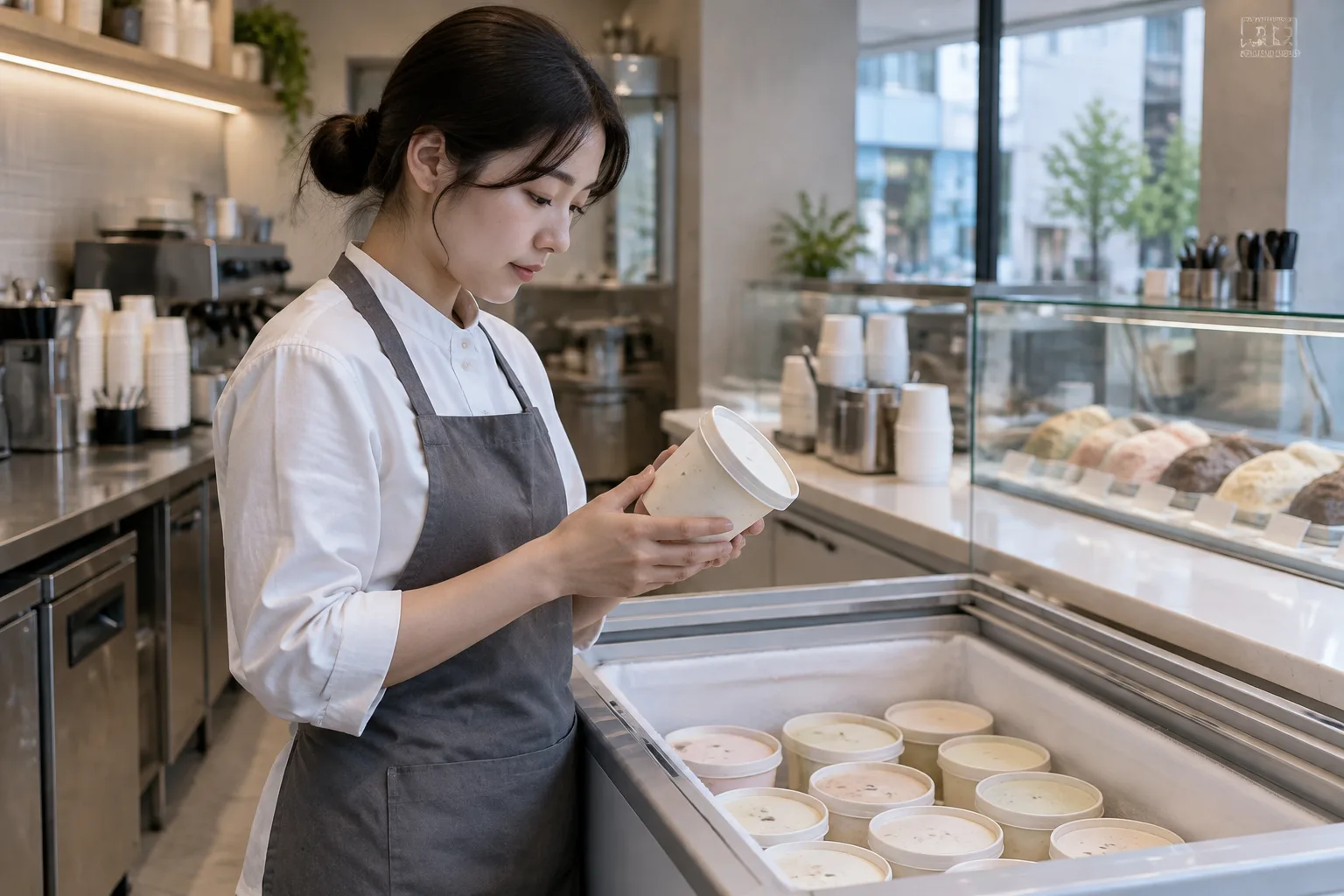
Benson, Hanwha Galleria’s premium ice cream brand, is entering the franchise market. On 26 October 2026, its operator, Better Scoop Creamery, announced plans to recruit franchisees in key commercial districts across Seoul and the surrounding metropolitan area in the first half of 2027. Central to the plan are a frozen delivery system using Ourhome’s nationwide logistics network and the parallel expansion of company-owned and franchised shops.
Target of 50 company-owned shops and 50 franchised outlets by 2027
Benson has set a target of opening 100 shops by 2027: 50 company-owned and 50 franchised. It plans to expand first in Seoul and the surrounding metropolitan area, before moving into other regions from 2028. By specifying both a recruitment window and a geographical rollout, the announcement provides a concrete timetable for franchise development rather than simply introducing the brand.
However, the 100-shop figure is a future target, not the current estate. Recruitment in the first half of 2027 is also a planned activity; it does not mean that 50 franchisees have already been secured. Prospective franchisees should distinguish between target shop numbers and actual progress on recruitment, contracts and openings. This is a fundamental point to check when assessing the brand’s expansion plans.
The equal split between company-owned and franchised shops is also notable. Benson intends to expand its own estate alongside its franchise network, rather than relying solely on rapid franchise growth. That split alone, however, says nothing about the profitability of either operating model or the level of support provided. During franchise discussions, it would be useful to ask how experience gained from company-owned shops will inform training and shop management.
The initial focus on the Seoul metropolitan area should also be distinguished from the later regional rollout. Prospective operators interested in other parts of South Korea should not assume that recruitment in the first half of 2027 will be nationwide. Instead, they should confirm when recruitment will begin in their preferred area and whether deliveries can be provided. Under the announced timetable, expansion into other regions is scheduled to begin in 2028.
Frozen delivery system planned following transfer to Ourhome
Benson signed a business transfer agreement on 22 October and is due to move from Hanwha Galleria to become a business division of Ourhome in November. The intention is then to use Ourhome’s nationwide logistics network and foodservice infrastructure to support the franchise business. This can be understood as a plan to establish an operating and supply framework before franchise recruitment begins.
At the heart of the logistics plan is a frozen delivery system tailored to ice cream. Given the need to maintain appropriate temperatures, Benson intends to build a dedicated system to supply franchised outlets reliably across the country. It is important to distinguish between the logistics network intended to support nationwide expansion and the actual regional opening schedule, which begins in 2028.
An announcement about using a nationwide logistics network is not the same as a statement of the supply terms that will apply to individual franchisees. Prospective operators need to check not only delivery coverage but also delivery frequency, ordering requirements and product storage arrangements, all of which affect day-to-day operations. The announcement should be treated as a plan to establish supply capacity, with shop-specific terms examined separately during the contract review.
Nor should the proposed frozen delivery system be interpreted as evidence of cost savings or improved profitability. The intended use of logistics infrastructure has been outlined, but assessing its impact requires a closer look at product supply prices and delivery terms for franchisees. Anyone evaluating the franchise should examine these operating conditions alongside the scale of the proposed rollout.
Early high-street sales should not be confused with long-term revenue
The shop performance figures presented by Benson include initial sales at eight high-street outlets opened since June 2026. These include shops in Banpo, Mokdong and Seohyeon, as well as near Seoul National University Station. Average sales per shop approached KRW 100 million during the first month after opening. Although the figure was released alongside the franchise plans, its scope and measurement period need to be understood precisely.
This is an average covering those outlets’ first month of trading. It is not the annual average revenue of all Benson shops, nor a forecast of sales for future franchisees. As it averages the initial sales of different outlets, it should not be taken to mean that every shop achieved the same level of sales.
Sales are also distinct from an operator’s profit. When assessing a franchise, prospective owners should review rent, staffing costs, product supply costs and other operating expenses alongside revenue figures. Strong initial sales may attract interest, but investment decisions require an assessment of profit and loss after costs.
Useful information to request includes monthly sales trends after the opening month, results from shops in locations comparable to the proposed site, and outlet-level cost structures. These checks are not intended to cast Benson’s performance in a negative light, but to avoid drawing conclusions beyond what the published figures support. Early sales performance and long-term operating viability should be assessed separately.
Additional sales channels under consideration
Beyond franchise expansion, Benson is considering using a range of channels operated by Ourhome. These include concession sites at airports, shopping complexes and motorway service areas, as well as contract catering and food distribution channels. The aim is to broaden the brand’s sales presence, but options under consideration should not be mistaken for outlets already secured or operating.
Benson also plans to pursue food and beverage services with Gourmet de Galleria, focusing on communal facilities in premium apartment developments. This would represent another sales channel, distinct from conventional high-street shops or franchised outlets. The brand is exploring both franchising and alternative channels; how each proposal develops in practice remains to be seen.
For prospective franchisees, the practical question is not simply whether sales channels will expand, but how they might relate to the shop being considered. During discussions, applicants can ask about other sales points in the same area, the products they would carry and contractual trading territory provisions. Channel expansion plans alone do not establish what impact there will be on an individual franchisee’s sales.
In practical terms, the priority is to verify the recruitment timetable, frozen supply terms and scope of the initial sales figures separately. Anyone preparing for franchise discussions in the first half of 2027 should obtain written confirmation of opening opportunities in their preferred area, the total investment required and monthly operating costs. Long-term returns should not be projected from first-month sales alone.