Tim Hortons opens Seongsu flagship as café franchises expand meal menus
Tim Hortons has introduced pasta and back ribs at its first South Korean flagship in Seongsu, Seoul. As café franchises expand their meal offerings, rising food sales need to be weighed against the additional demands on store operations.
Published
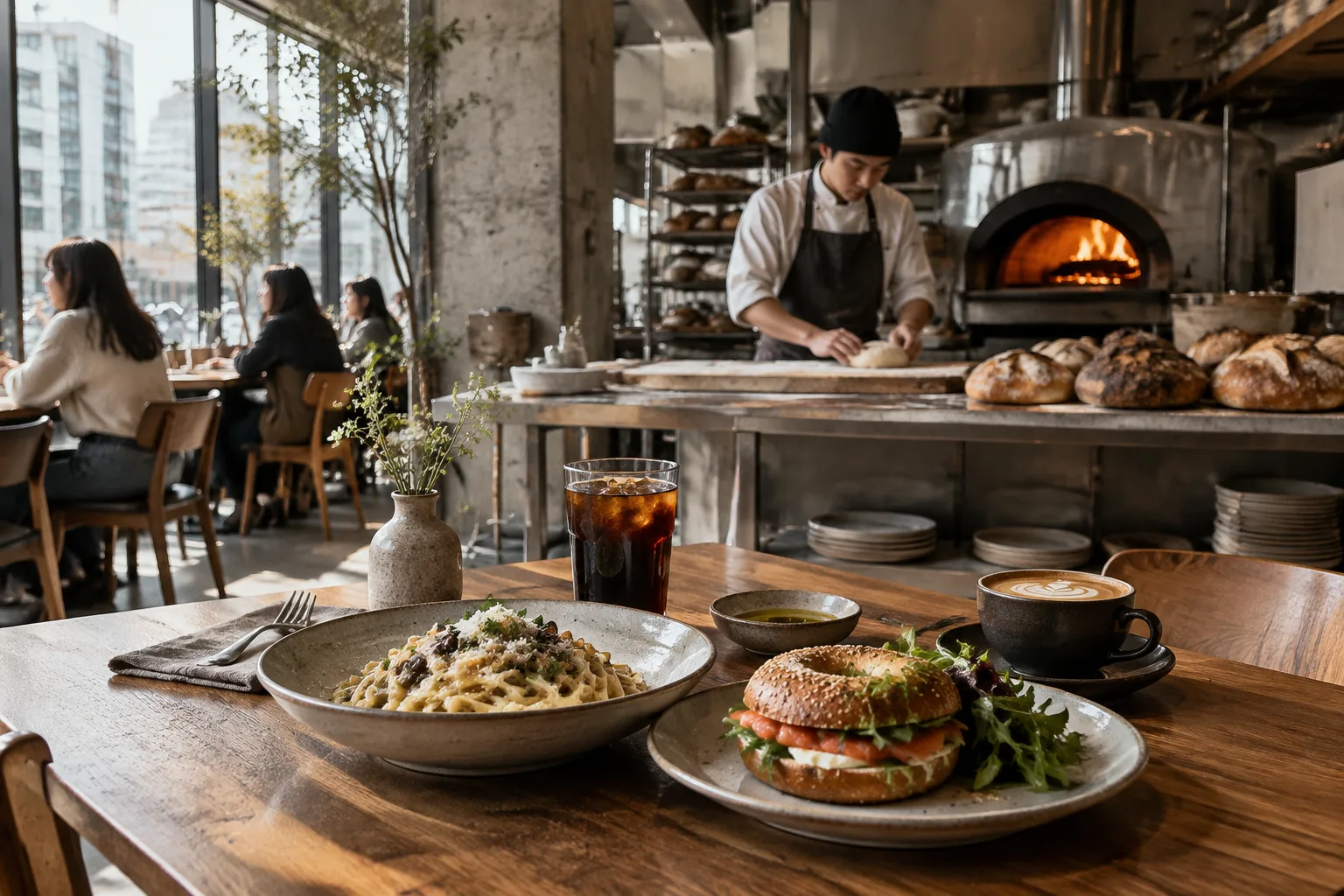
Tim Hortons has opened its first South Korean flagship, Banff Town Seongsu, in Seoul’s Seongsu neighbourhood, putting meals at the heart of the offering. With oven-baked bread, pasta, bagel sandwiches and back ribs, the store targets customers looking for a full meal rather than just coffee and dessert. Across South Korea’s café franchise sector, the expansion of food menus is also changing store layouts and cooking methods.
An oven and open kitchen at the Seongsu flagship
According to a report in the JoongAng Ilbo on 29 October, Tim Hortons’ Banff Town Seongsu features an open kitchen equipped with a baking oven. Customers can watch bread being baked in-store, while tables feature substantial dishes such as pasta, bagel sandwiches and back ribs. The offering goes beyond light snacks to accompany a drink, giving customers a reason to visit specifically for a meal.
What stands out about the opening is not just the range of dishes but the cooking facilities themselves. Unlike simply displaying ready-made products, the open kitchen and oven make food preparation part of the in-store experience. This does not, however, mean that the flagship’s facilities and menu will be replicated across all other stores.
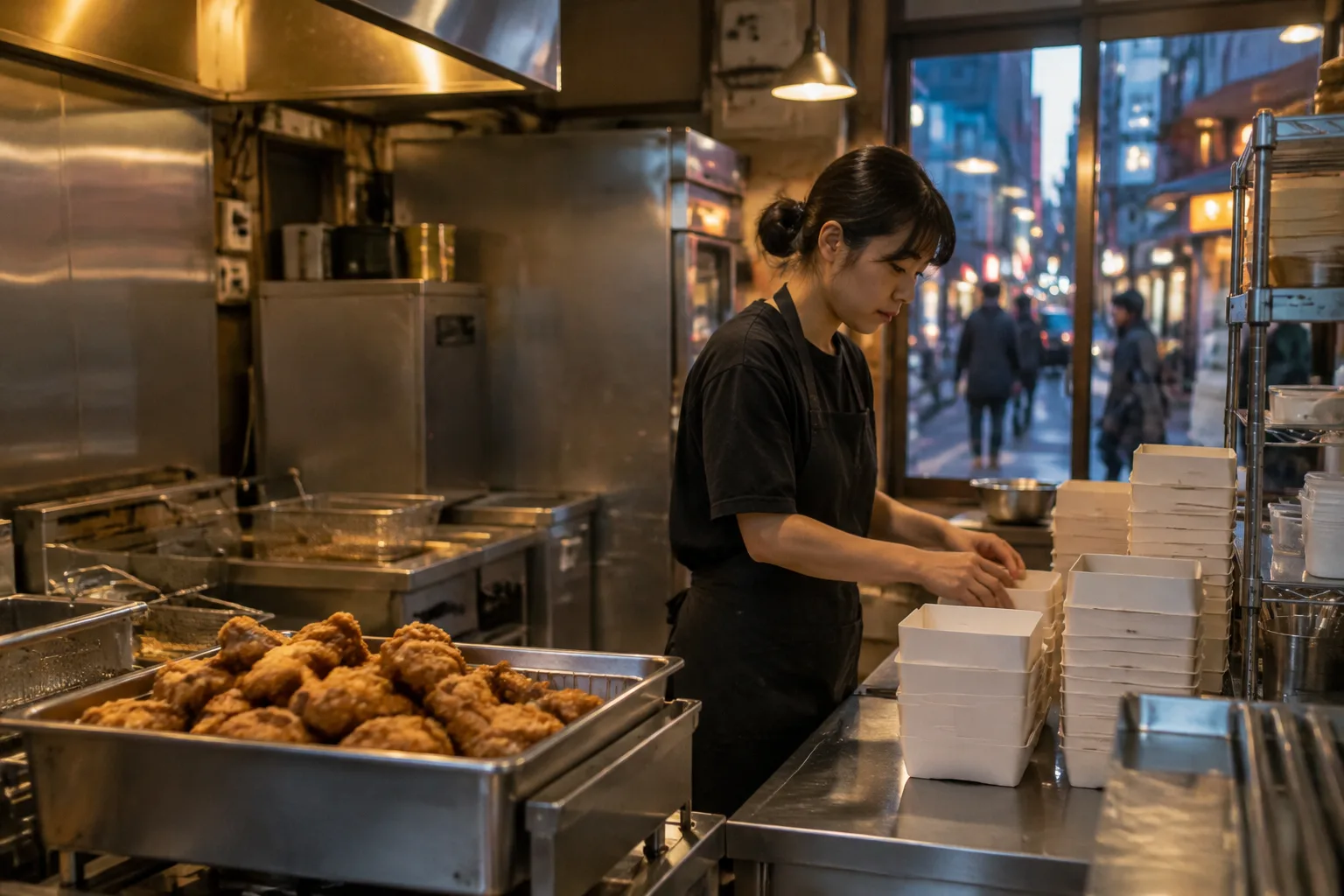
Tim Hortons reportedly has a kitchen in every store and prepares more than 70% of its food menu items to order. The Seongsu flagship illustrates this preparation-led approach to operations. By adding a meal offering to a coffee shop, the brand has broadened the reasons customers might visit.
From a franchise operations perspective, it is important to distinguish between a flagship’s attractions and the operating requirements that can realistically be replicated in a standard store. Anyone considering premises with a baking oven or open kitchen should assess the equipment and layout, kitchen workflow and staff training requirements together. A broad menu alone does not mean that every location can achieve the same results.
In particular, news of this opening showcases a new space and food offering; it does not provide evidence of the Seongsu store’s sales or profitability. It helps explain the brand’s latest initiative, but assessing the commercial viability of an individual outlet requires separate operating figures.
Café meals now extend to tteokbokki and fried rice
Tim Hortons is not alone in expanding its meal menu. The same report noted that Mega MGC Coffee sells tteokbokki, or spicy rice cakes, and chicken, while Ediya Coffee offers fried rice and pizza-style steamed rice cakes. Starbucks and A Twosome Place are broadening their sandwich and panini ranges. Their approaches differ, but all are seeking to generate orders beyond drinks.
The JoongAng Ilbo reported that the five brands — Starbucks, A Twosome Place, Tim Hortons, Mega MGC Coffee and Ediya Coffee — sell roughly 200 food items between them. That is the combined range across all five brands, not an indication that any single brand or store sells around 200 items.
Nor does every food item constitute a meal in the same way as pasta or fried rice. The total includes different product categories, such as sandwiches and bread, so menu counts alone cannot show how extensively each brand caters for meals. Understanding the operational significance also requires looking at who buys these products and at what times of day.
The report linked this shift to consumers seeking a meal and coffee together for around KRW 10,000 amid high prices. ‘Lunchflation’ — the rising cost of lunch — was cited as a factor behind cafés’ expanding meal menus. This figure should not, however, be taken as a standard selling price across every menu item or brand mentioned.
The growth in single-person households and the increasing number of customers spending long periods studying in cafés were also cited as drivers of demand. Brands are recognising that cafés can serve not only as places to pick up a quick drink, but also as spaces where customers spend time and have a meal.
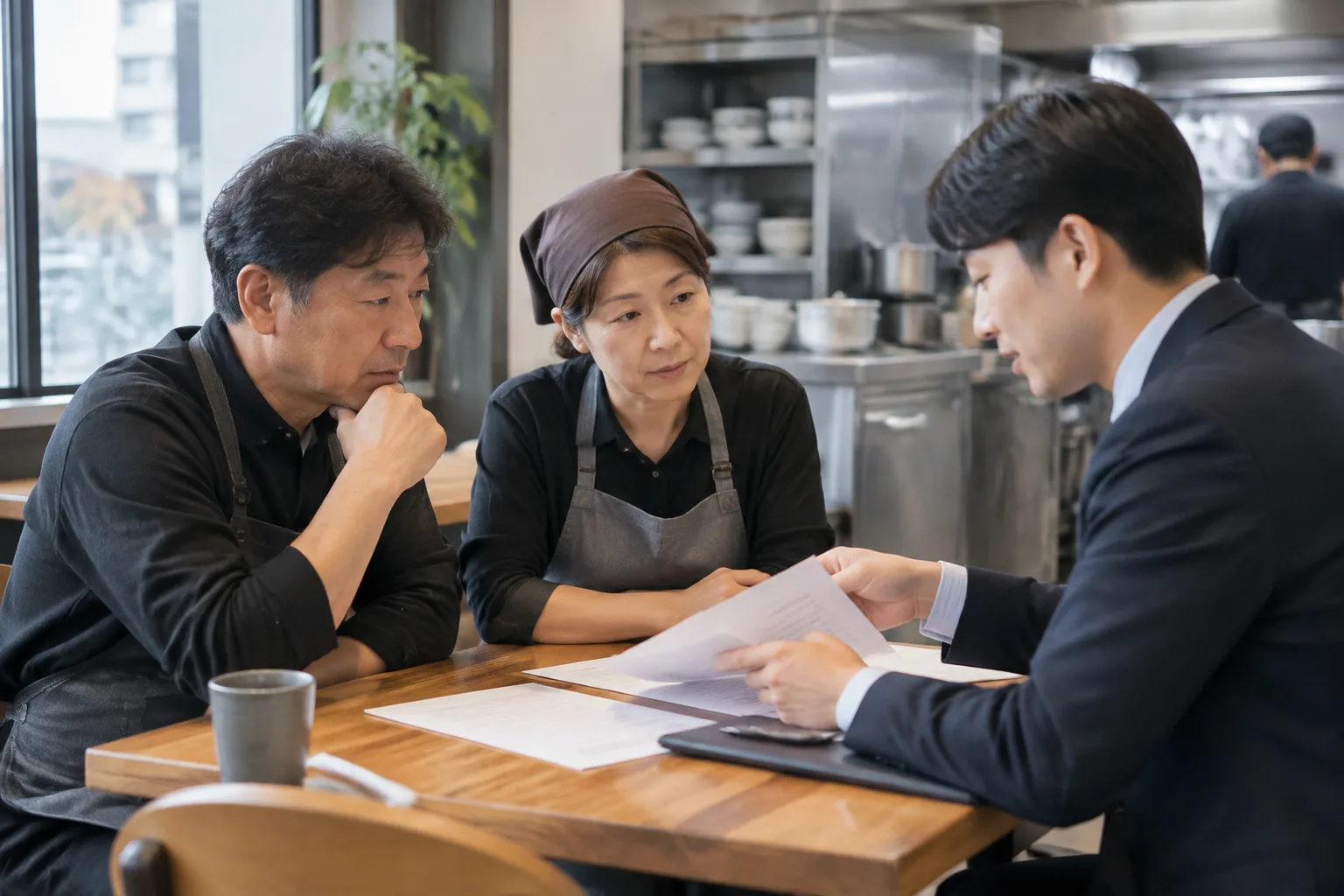
For franchisees considering this trend, the key question is less ‘Do we offer meals?’ than ‘Does this fit the way customers use our store?’ Takeaway-led outlets and those focused on seated customers have different requirements. Rather than simply following another brand’s menu launch, operators should first examine their own customer mix and ordering patterns.
Food sales rise as store numbers grow
Citing figures from South Korea’s Fair Trade Commission, the report said the number of franchised café outlets in the country rose from approximately 17,856 in 2020 to 29,101 in 2025, an increase of around 63%. As store numbers grow, brands continue to use products beyond drinks to win customers.
These figures describe changes in the number of franchised cafés in South Korea. They should not be interpreted as the total number of coffee shops, including all independently operated cafés. Nor does growth in outlet numbers alone establish the competitiveness of a particular brand or changes in sales at an individual franchise.
The report also presented figures showing growth in food sales. According to Tim Hortons, food menu sales from January to September 2026 increased by 80% compared with the same period a year earlier. Mega MGC Coffee and A Twosome Place also reportedly recorded double-digit growth in food product sales over the same period.
Tim Hortons’ figure refers to food menu sales as reported by the brand. It should not be read as growth in total sales or the average growth rate at existing stores. The period also predates the Seongsu flagship’s opening, so the increase cannot be attributed to the new store.
The double-digit increases at Mega MGC Coffee and A Twosome Place likewise indicate expanding food sales. They do not, however, reveal precise growth rates or differences between outlets. Rather than treating the three brands’ results as a like-for-like comparison at store level, readers should distinguish the scope of each reported figure.
The opportunity to increase average spend per customer must also be separated from an actual increase in profit. Additional food orders may raise sales, but assessing profitability requires factoring in ingredient costs, kitchen staffing, storage space and waste. Growth in food sales does not, by itself, guarantee higher net profits for franchisees.
Assess operating requirements, not just the menu
The central shift illustrated by the Seongsu flagship is that café competition is no longer confined to the choice of drinks. For customers seeking a meal and coffee together, the range of food and the way it is prepared can also influence where they visit. For the franchise sector, this creates both a sales opportunity and a need to review operations.
Prospective franchisees should ask the franchisor not only about food’s share of sales, but also about preparation times for each dish, the equipment required and the training provided. They should distinguish brand-wide growth rates from the expected operating conditions at the outlet they are considering, and establish which flagship features would actually apply to their store.
For existing franchisees, practical questions include whether customers ordering meals also buy drinks, and whether food preparation causes delays during busy periods. Comparing sales and costs on a consistent basis before and after adding menu items can help assess the operational impact, rather than simply the initial response to a new product.
Discussions between franchisors and franchisees should focus not just on increasing the number of menu items, but also on agreeing the level of food preparation each store can handle. As customer choice expands, it becomes increasingly important to check that the store is equipped to deliver it consistently.
Practical takeaway: Recognise the growth potential of meal menus, but assess the individual outlet’s equipment, staffing and cost requirements separately before signing a contract or introducing new products. Brand-wide food sales growth and individual store profitability are different measures.