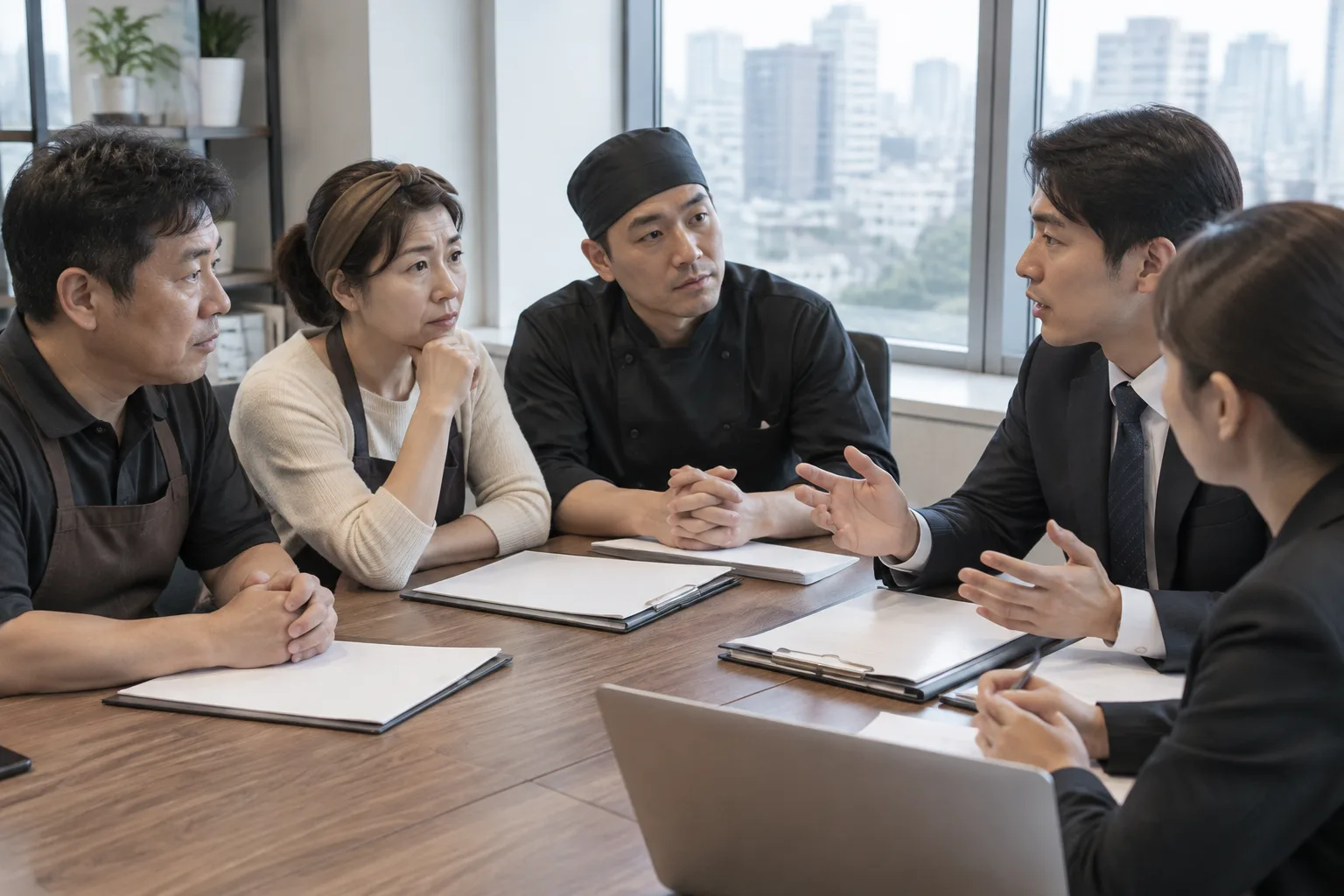
Unstaffed café chain Manwolkyung enters rehabilitation after loan recovery setback despite profits
The Seoul Rehabilitation Court has opened rehabilitation proceedings for Manwolkyung. Despite store growth and profits, the chain has struggled to recover a loan to its coffee machine supplier and is also pursuing an M&A deal to restore financial stability.
Published
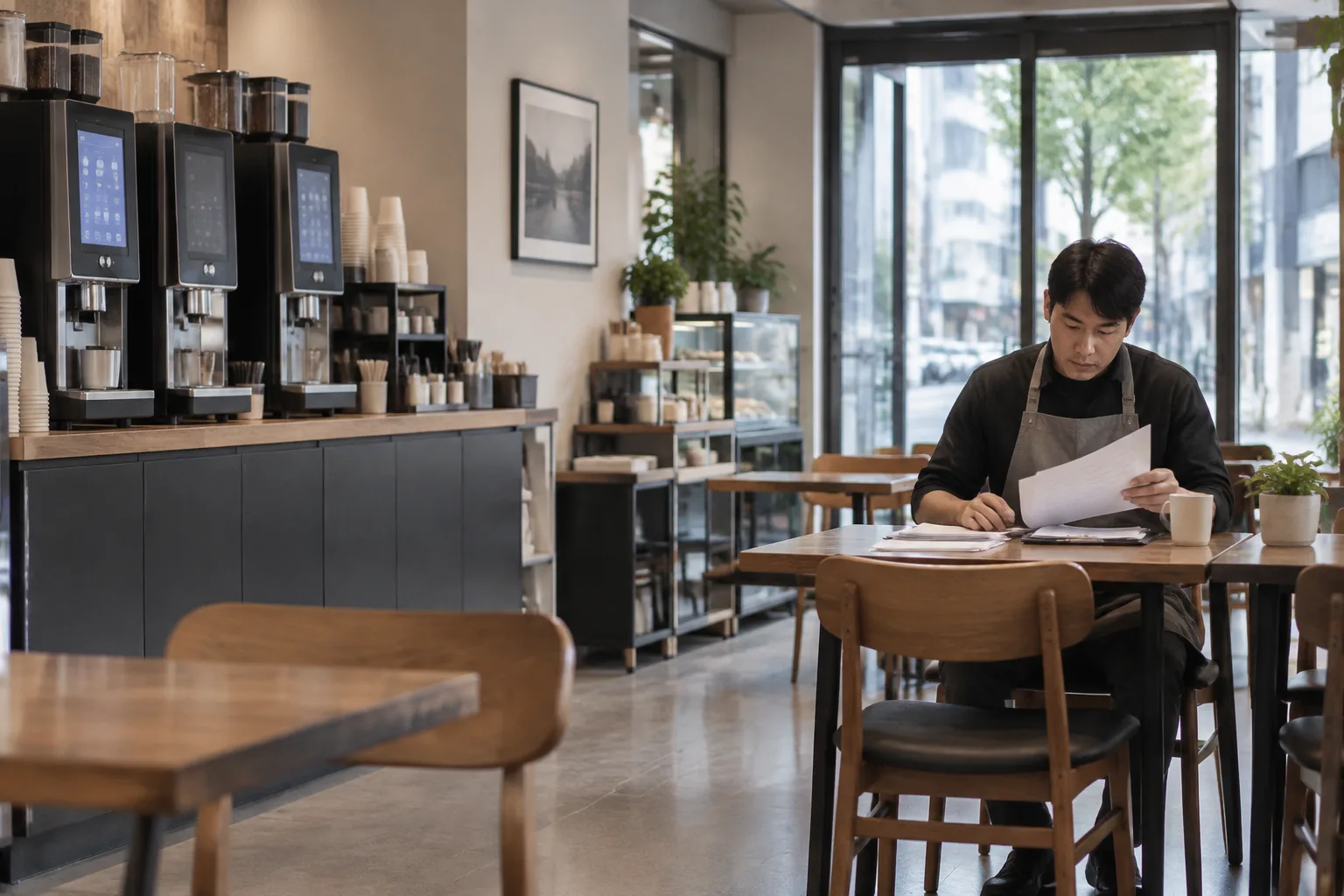
South Korean unstaffed café franchise Manwolkyung has entered court-supervised rehabilitation proceedings. Despite continued store expansion, rising revenue and profitable results, difficulties recovering money lent to its coffee machine supplier have created liquidity problems. For those assessing South Korea’s franchise market, the case highlights the need to examine a brand’s expansion separately from its franchisor’s cash position. Alongside the court proceedings, the company is pursuing a merger or acquisition to restore financial stability.
Seoul Rehabilitation Court opens proceedings on 12 October
According to a ChosunBiz report on 16 October, the Seoul Rehabilitation Court decided on 12 October to open rehabilitation proceedings for Manwolkyung. The company had secured a further KRW 1.5 billion from an existing investor in March that year, but entered court proceedings roughly seven months later. The additional investment had not resolved its subsequent liquidity difficulties.
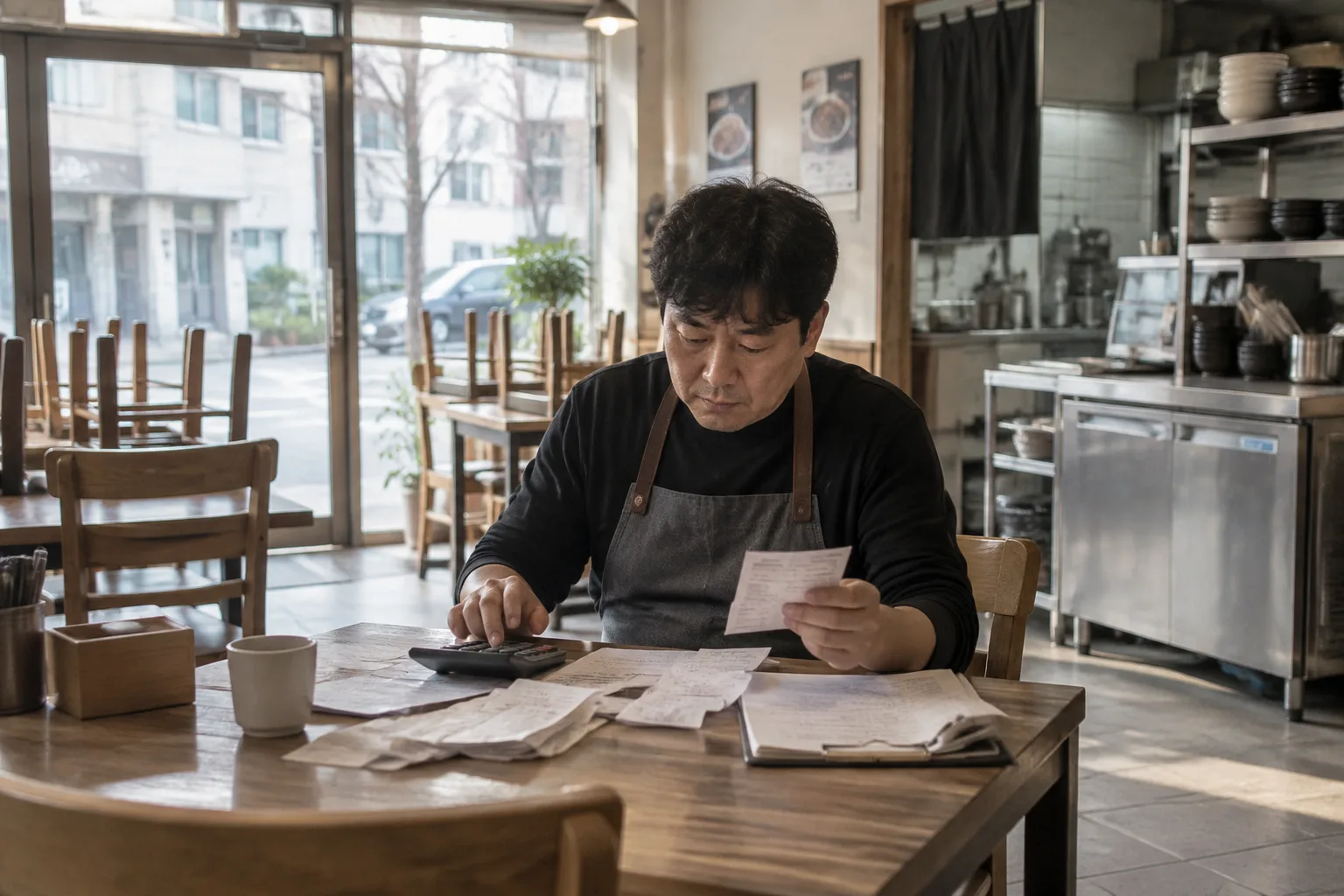
The central issue is not a decline in store numbers or revenue, but a setback in recovering cash. Manwolkyung reported revenue growth and profits through the previous year. However, difficulties recovering a loan to a business associate created a gap between its reported earnings and its actual cash position. This illustrates why earnings trends and funding stability need to be assessed together.
Franchisees should distinguish between rehabilitation proceedings involving the franchisor and trading conditions at individual outlets. The court decision confirmed in the report concerns the opening of rehabilitation proceedings for Manwolkyung. It should not be interpreted as meaning that all franchised outlets will close or suspend trading. Decisions about store operations should be based on specific guidance from head office and the circumstances of each outlet.
Prospective franchisees also need to consider what to check first. Rather than judging the franchisor’s financial stability solely by its announced store openings, they should review recent financial information alongside developments in the rehabilitation proceedings. Existing operators and those considering a new agreement face different circumstances, so the contractual terms and operational issues they need to examine may differ even when responding to the same news.
360 outlets in 2024: distinguish official figures from subsequent expansion
Founded in 2021, Manwolkyung expanded rapidly in the unstaffed café market. According to franchise disclosure documents filed with South Korea’s Fair Trade Commission, its total outlet count rose from 86 in 2022 to 204 in 2023 and 360 in 2024. At the end of 2024, it had 340 franchised outlets, placing it among the largest major unstaffed café franchises by franchisee numbers.
The company subsequently announced that it had passed the 500-store milestone. ChosunBiz reported that its nationwide network was recently understood to have exceeded 600 outlets. However, the annual figures in the disclosure documents, the company’s later opening announcements and reporting on its recent size relate to different dates and use different methods of verification. They should not be treated as equally confirmed figures compiled on the same basis.
It is particularly important to distinguish total outlets from franchised outlets. The 360 total outlets reported for 2024 and the 340 franchised outlets at the end of that year do not measure the same thing. When comparing brands or considering a franchise agreement, first establish whether a figure covers the entire network or franchised stores alone.
Rapid expansion demonstrates Manwolkyung’s growth trajectory, but does not by itself establish the franchisor’s ability to meet its obligations or the profitability of individual outlets. The outlet figures cited here provide no information about individual franchisees’ revenue or earnings. Regardless of the franchisor’s entry into rehabilitation, the commercial viability of a particular outlet therefore needs to be assessed separately using actual operating data.
Revenue of KRW 14.87 billion, but difficulties recovering a loan
Manwolkyung’s revenue in 2025 was KRW 14.87 billion, up 18% year on year. It recorded operating profit of KRW 1.69 billion and net profit of KRW 1.5 billion in the same year. With revenue growing and profits being generated, this rehabilitation case differs from one explained simply by mounting losses.
The recovery problem concerns coffee machine supplier Release Tech. Manwolkyung lent the supplier approximately KRW 2.96 billion the previous year. However, Release Tech went bankrupt in May of the current year, making the loan difficult to recover. Even as the café chain continued to grow and make profits, the risk of money lent out not returning on time became a reality.
Difficulty recovering a loan should not be confused with confirmation that the entire amount has become a final loss. The report establishes Release Tech’s bankruptcy and the resulting recovery difficulties. It does not justify firm conclusions about how much will ultimately be recovered or lost. Nor does it establish that equipment supplies or maintenance services for franchisees have already stopped.
For those in the franchise sector, the lesson concerns the scope of financial due diligence. Looking only at revenue and operating profit can overlook money the franchisor has lent to other businesses and the associated recovery risks. When reviewing published financial information, prospective franchisees should also check for loans, identify the borrowers and read any explanations concerning recovery. In this case, that item is an important clue to understanding the company’s liquidity difficulties.
M&A pursued as a route to recovery: final terms still need confirmation
Manwolkyung is pursuing a merger or acquisition alongside rehabilitation proceedings to restore financial stability. According to ChosunBiz, it is reportedly negotiating with prospective buyers over structures that would reduce the purchase price in exchange for the buyer taking on creditor claims, including those involving investors in directly operated stores. In other words, discussions involve adjusting both the treatment of creditor claims and the transaction price.
However, news of negotiations does not mean that a buyer has been selected or a transaction completed. At this stage, no firm conclusions should be drawn about the eventual buyer, final purchase price or timetable for recovery. The proposed treatment of creditor claims has also been reported as a negotiating point and should not be treated as an agreed transaction term.
For franchisees, the immediate priority is to check the operational details communicated by head office. These can be broken down into areas directly affecting day-to-day trading, such as ordering and delivery of ingredients and supplies, coffee machine maintenance, payment reconciliation and points of contact for enquiries. This does not mean that these services have been disrupted; it is a practical way to reduce uncertainty during rehabilitation proceedings.
Prospective franchisees should not assume that recovery is guaranteed simply because an M&A deal is being pursued. They should obtain written confirmation of the contracting party, payment terms and the franchisor’s support obligations. Existing franchisees should organise their agreements, settlement records and head-office notices, and monitor whether any actual operational changes occur.
In practical terms, the key is to assess outlet numbers, reported profits and the ability to recover cash separately. Decisions concerning Manwolkyung should likewise be based on confirmed developments in the rehabilitation proceedings and acquisition negotiations, while the impact on individual stores should be checked against separate operating information.