BBQ ranks eighth among YouGov’s emerging US restaurant brands, the only Korean brand in the top 10
BBQ placed eighth out of 34 brands in YouGov’s 2026 assessment of emerging US restaurant brands. The result signals brand momentum in the US, but should not be confused with a ranking by sales or outlet numbers.
Published
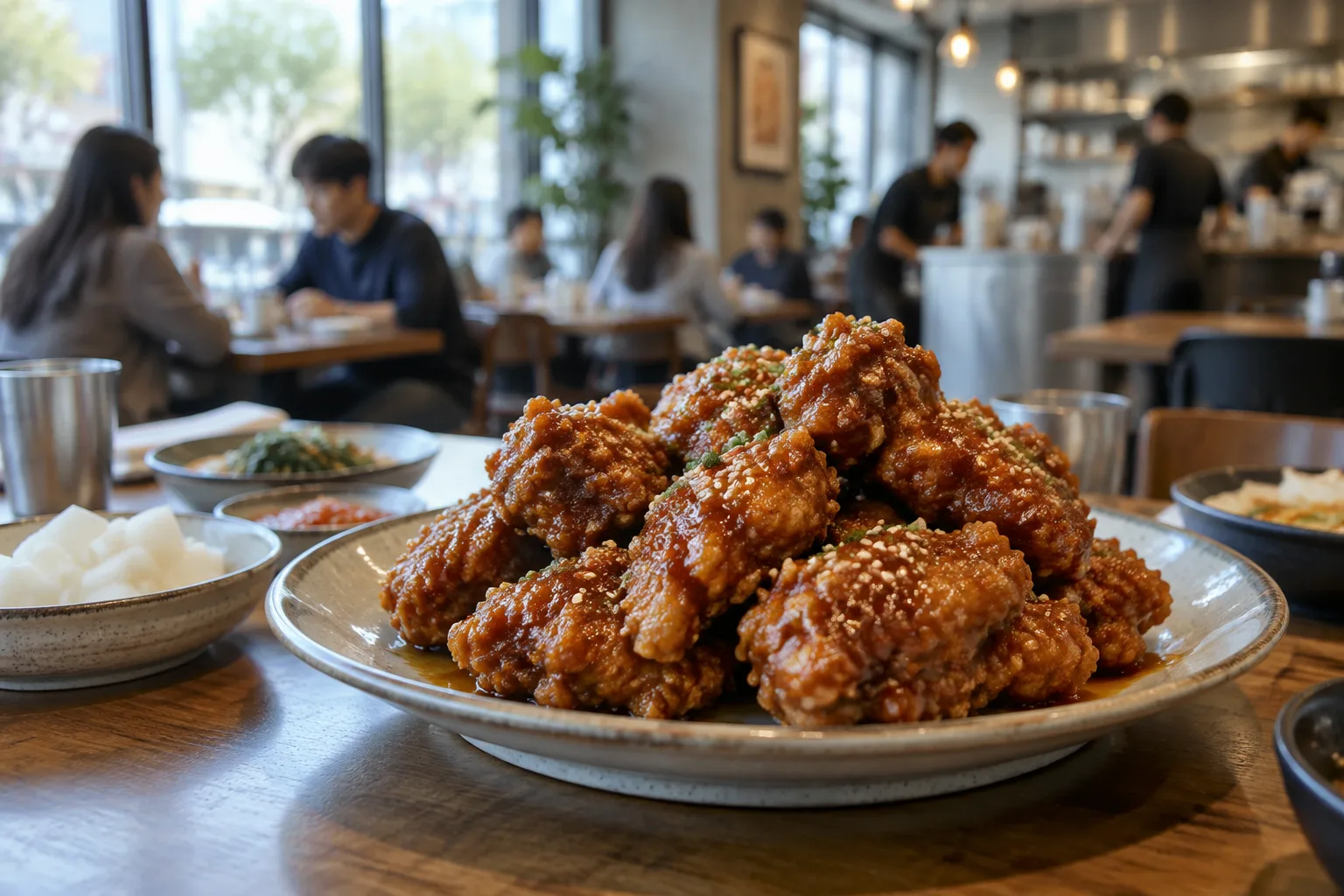
BBQ has ranked eighth overall in YouGov’s 2026 assessment of emerging US restaurant brands. It was the only Korean restaurant brand to make the top 10. For readers following Korean franchises, the result offers an indication of the attention a Korean brand is attracting overseas. However, it is important to understand both the scope of the assessment and what it measures.
Eighth out of 34 brands assessed for momentum
According to a MoneyToday report dated 30 September 2026, Genesis BBQ Group, which operates BBQ, announced that day that the brand had placed eighth overall in YouGov’s 2026 assessment of emerging US restaurant brands. The report described BBQ’s inclusion among rising restaurant brands attracting the attention of US consumers.
The ranking covered 34 brands assessed for emerging-brand momentum. The key findings are therefore that BBQ reached the top 10 in this assessment and was the only Korean restaurant brand among them. Any reference to the ranking should retain the qualifiers ‘US’, ‘emerging restaurant brands’ and ‘2026’ to make its scope clear.
It is also worth distinguishing between the organisation behind the assessment and the company publicising the result. YouGov published the assessment, while Genesis BBQ Group shared the findings in South Korea. In other words, the company was reporting an external research firm’s assessment, rather than a ranking it had devised itself. However, the supplied report does not provide the detailed calculation method or scores for individual criteria.
For franchise industry readers sharing the news, the most accurate wording is ‘eighth out of 34 brands in YouGov’s assessment of emerging US restaurant brands’. Shortening this to ‘the eighth-ranked restaurant brand in the US’ changes the scope of the assessment. Even a brief headline or summary should make clear that it concerns emerging brands.
What being the only Korean brand in the top 10 means
BBQ’s position as the only Korean restaurant brand in the top 10 is a notable part of the result. For those following South Korea’s franchise sector, it provides an example of where a Korean fried chicken brand stands in a US-focused restaurant brand assessment. It also offers an opportunity to consider evidence reflecting overseas consumers’ views, separately from assessments in Korea.
However, the description ‘the only Korean brand’ applies specifically to the top 10 in this assessment. It cannot be taken to mean that BBQ is the only Korean restaurant brand to have succeeded in the US. The supplied material does not include other Korean brands’ US business results, the full rankings or the criteria used to select brands for assessment.
Nor is this result alone enough to establish that Korean restaurant brands as a whole have gained standing in the US. What it confirms is the ranking of one brand: BBQ. To draw conclusions about Korean brands more broadly would require evidence covering multiple brands and comparable data over time. Reporting an individual achievement is different from assessing a sector-wide trend.
That does not mean the result should be dismissed. News that a brand is attracting attention in a particular market can be useful to readers considering overseas opportunities. The important point is to separate what the assessment shows from what it does not. This allows the achievement to be reported accurately without adding unverified claims about business performance.
Do not read a momentum ranking as a sales ranking
The measure covered in this report is emerging-brand momentum. The supplied material contains no figures for US revenue, outlet numbers, sales per outlet or operating profit. There is therefore no basis for interpreting eighth place overall as eighth by sales or profitability. Before drawing conclusions from a ranking, it is essential to establish what is being ranked.
The term ‘momentum’ should not be used to infer a specific growth rate either. The report does not explain which criteria were used to measure momentum or how they were weighted. An assessment that a brand is gaining traction is distinct from evidence that its sales have increased by a particular percentage. The latter requires separate financial or operating data.
The supplied material also does not identify the survey period, number of respondents or sample composition, all of which would help readers interpret a consumer assessment. Their absence does not invalidate the assessment itself, but it limits what can be said about the reactions of particular consumer groups. There is no basis, for example, for adding that the brand performed especially well among a certain age group or in a particular region.
Changes in ranking from the previous year cannot be established from this material either. Descriptions such as ‘rose sharply in the rankings’ or ‘retained its leading position’ would therefore be inappropriate. What can be confirmed is eighth place in the 2026 assessment. Judging the pace or durability of that performance would require earlier results compiled on a comparable basis.
How to use an overseas assessment when considering a franchise
Prospective franchisees should consider overseas brand assessments separately from the operating conditions of the outlet they are evaluating. A result reflecting attention in the US does not directly explain likely sales or the prospects of recovering an investment in a particular South Korean catchment area. It can be a starting point for researching the brand, but should not be the sole basis for deciding whether to open an outlet.
Existing franchisees should make the same distinction. When sharing an overseas brand assessment with customers, it is best to state the research firm, assessment name, year and ranking together. This result should not be presented as a South Korean customer satisfaction survey or an assessment of Korean outlets’ performance. Promotional claims should be particularly clear about the market and scope to which they apply.
Franchisors considering international expansion can use the news as one reference point when reviewing competitors. However, the ranking alone does not prove the effectiveness of a particular approach to opening outlets or an operating strategy. The supplied material does not establish a causal link between BBQ’s assessment result and specific business strategies, so any conclusions about execution require separate investigation.
Three facts are firmly established by this announcement: YouGov conducted the assessment; BBQ placed eighth among the 34 brands assessed for emerging restaurant brand momentum in the US; and it was the only Korean restaurant brand in the top 10. Staying within those boundaries allows the result to be presented as evidence of overseas attention without exaggeration.
In practice, record the ranking as part of your research into the brand, but verify sales, costs and contract terms through separate sources. Noting the assessment name and target market alongside the ranking is a simple way to keep promotional messaging distinct from commercial decision-making.