No Brand Burger’s Multi-Unit Franchisees Operate 42 Outlets as Experience Drives Expansion
Outlets run by No Brand Burger’s multi-unit franchisees totalled 42 at the end of July 2026. Franchisees are expanding both within the same brand and into other brands owned by the same franchisor.
Published
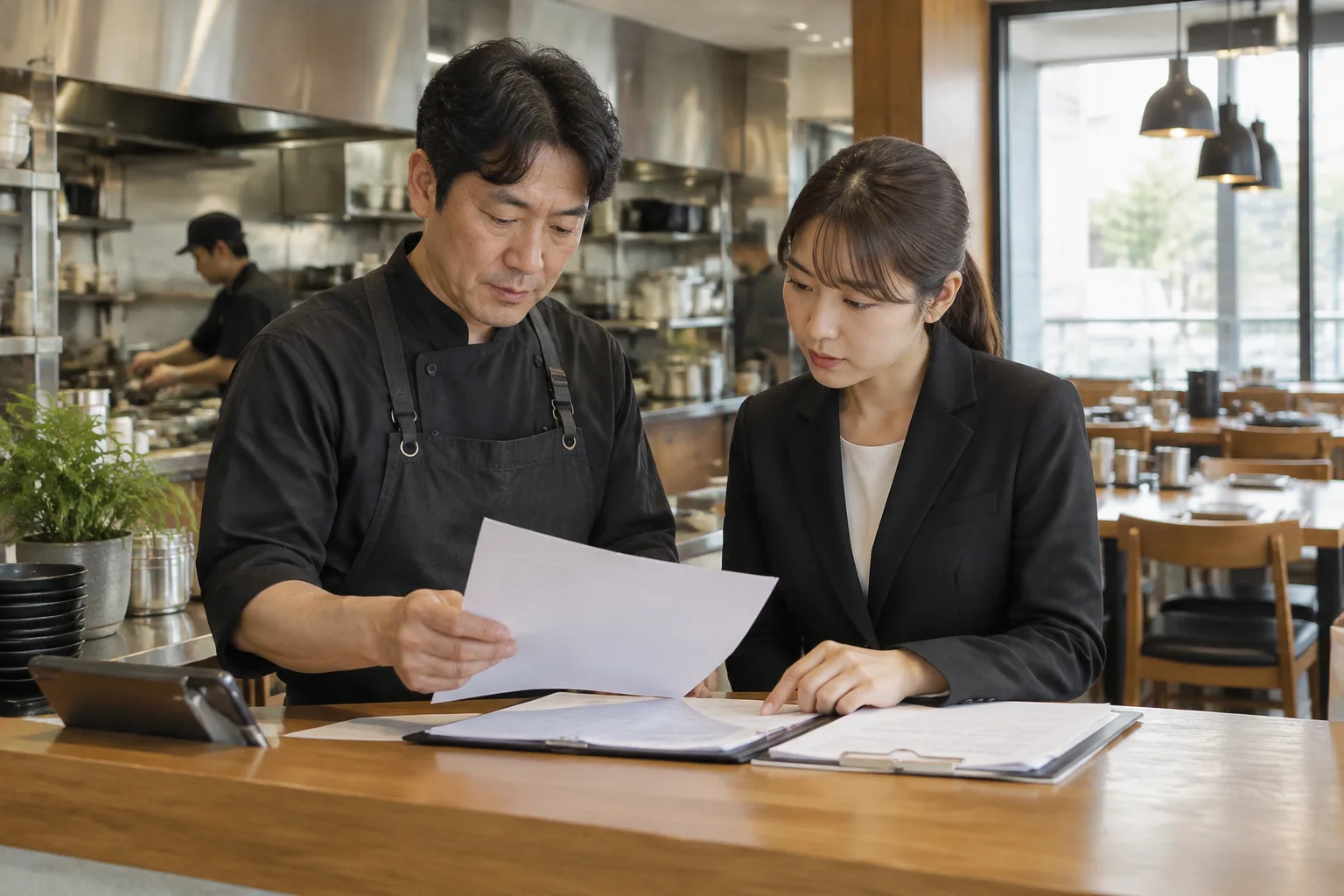
As uncertainty grows around starting a foodservice business, some franchisees are choosing to open additional outlets based on the operational capabilities their franchisor has demonstrated at their first location. Expansion can mean opening a second outlet under the same brand or taking on another brand owned by the same franchisor. Across South Korea’s franchise sector, first-hand experience of logistics, training, outlet management and head-office responsiveness is attracting attention as a basis for further investment decisions.
More No Brand Burger outlets run by multi-unit franchisees
According to a report published by Segye Ilbo on 18 October 2026, Shinsegae Food’s No Brand Burger had 42 outlets operated by franchisees with two or more locations at the end of July that year. This was an increase of 133% compared with 2023, indicating that expansion by existing franchisees operating multiple outlets had become more common within the brand.
The figure of 42 refers to the number of outlets these franchisees operate, not the number of multi-unit franchisees. It should therefore not be read as meaning that 42 franchisees opened additional businesses. Likewise, the growth rate measures the change in outlets run by multi-unit franchisees; it does not describe growth in No Brand Burger’s total franchised estate or the investment preferences of all its franchisees.
The report identified experience gained at the first outlet as a factor behind these additional openings. Rather than choosing a new business solely on brand recognition, franchisees were drawing on their experience of logistics and training arrangements, outlet management systems and head-office responsiveness when deciding on their next investment. Experience accumulated within an existing contractual relationship was thus becoming a starting point for considering another outlet.
However, an increase in outlet numbers does not directly establish the profitability of additional locations. Growth in multi-unit operation must be distinguished from any claim that sales or profits have improved at individual outlets. For prospective franchisees, the figures are better treated as a prompt to examine the experiences behind existing operators’ expansion decisions, rather than as a definitive reason to choose the brand.
From the same brand to other brands under the same franchisor
There are two broad approaches to expansion. One is multi-unit operation: adding outlets under a brand the franchisee already runs. The other is multi-brand operation: expanding into another brand offered by the same franchisor. Both involve increasing outlet numbers, but the latter also requires an assessment of how the new brand operates.
Segye Ilbo reported a succession of cases at Bonif in which franchisees were operating several brands under the same company. It described those who chose another foodservice brand after assessing the company’s operational capabilities through their first outlet as ‘partnership-oriented franchisees’. These cases show how experience with a franchisor, rather than a relationship with one individual brand alone, can inform subsequent choices.
The important distinction here is what the investment decision rests on. First-time franchisees must assess an unfamiliar support system through explanations and documentation. Existing franchisees can look back on the supply, training and management processes they have experienced in their own outlets. The criteria for additional openings highlighted in the report centre on precisely this practical operating experience.
That does not mean another brand under the same franchisor will offer the same conditions as an existing outlet. Assessing the franchisor and evaluating the new brand are separate tasks. Anyone considering multi-brand operation should identify which aspects of support they valued at their previous outlet and check how that support is delivered under the new brand.
In particular, the Bonif examples should not be treated as a measure of the prevalence of multi-brand operation across the sector. The report establishes that some franchisees operate several brands under the same franchisor. It does not provide a basis for directly comparing their scale with another brand’s multi-unit outlet count, or for concluding that multi-brand operation delivers better results.
Lotteria and Kyochon Chicken: distinguish the counting methods first
Other brands also reported arrangements involving the operation of multiple outlets. According to reporting on operations in the first half of 2026, 73 corporate franchisees operated 190 Lotteria outlets. These figures identify both corporate franchisees and their outlets, using a different basis from No Brand Burger’s count of outlets run by multi-unit franchisees.
At Kyochon Chicken, 286 outlets were classified as operating under multiple-outlet arrangements in the first half of 2026: 45 in the multi-unit category, 239 in the family-operated category and two in the acquaintance-operated category. Together, they represented about 21% of its 1,367 outlets. This total includes not only multiple outlets run by one franchisee, but also arrangements involving family members and acquaintances.
Describing all 286 Kyochon Chicken outlets as multi-unit locations directly operated by the same franchisee would therefore misrepresent the figures. The roughly 21% share also refers to the full set of multiple-outlet arrangements classified in the report. The breakdown is essential to understanding what was actually counted.
Timing also matters when placing brands’ figures side by side. No Brand Burger’s count is from the end of July, whereas the Lotteria and Kyochon Chicken figures cover operations in the first half of the year. Rather than using these data alone to rank brands by the prevalence of multi-unit operation, it is more appropriate to note the different forms that multiple-outlet arrangements can take.
Before expanding, turn experience into questions you can verify
The common theme in these examples is that experience at a first outlet informs the next business investment. For franchisors, the support existing franchisees actually receive becomes part of the basis on which they consider further openings. For franchisees, even an established relationship with a familiar head office does not remove the need to assess the conditions of each new outlet separately.
In practice, it is worth reviewing the experience of the first outlet category by category before committing to another opening. How reliable were supplies? How did training help with day-to-day operations? How did head office respond when problems arose? Revisiting specific experiences in this way applies the investment criteria highlighted in the report to the franchisee’s own business.
The choice between adding another outlet of the same brand and taking on another brand under the same franchisor also needs separate consideration. The former asks whether existing operating experience can be applied to a new location. The latter asks whether the franchisee can manage different products and operating systems under a familiar franchisor. Neither approach guarantees business success simply by increasing outlet numbers.
Practical takeaway: Treat growth in multi-unit outlet numbers as useful context, but base expansion decisions on the first outlet’s actual performance and experience of support. Familiarity with the franchisor is not enough: the key is to assess the new outlet’s conditions and support requirements separately.