Seoul recognises franchise partnerships: what support do Dining Brands Group and Ubuntu World offer?
Dining Brands Group and Ubuntu World, operator of Ilpum Yangpyeong Haejangguk, have been selected for Seoul’s 2026 franchise partnership scheme. We examine their support policies, from dispute mediation to marketing funding.
Published
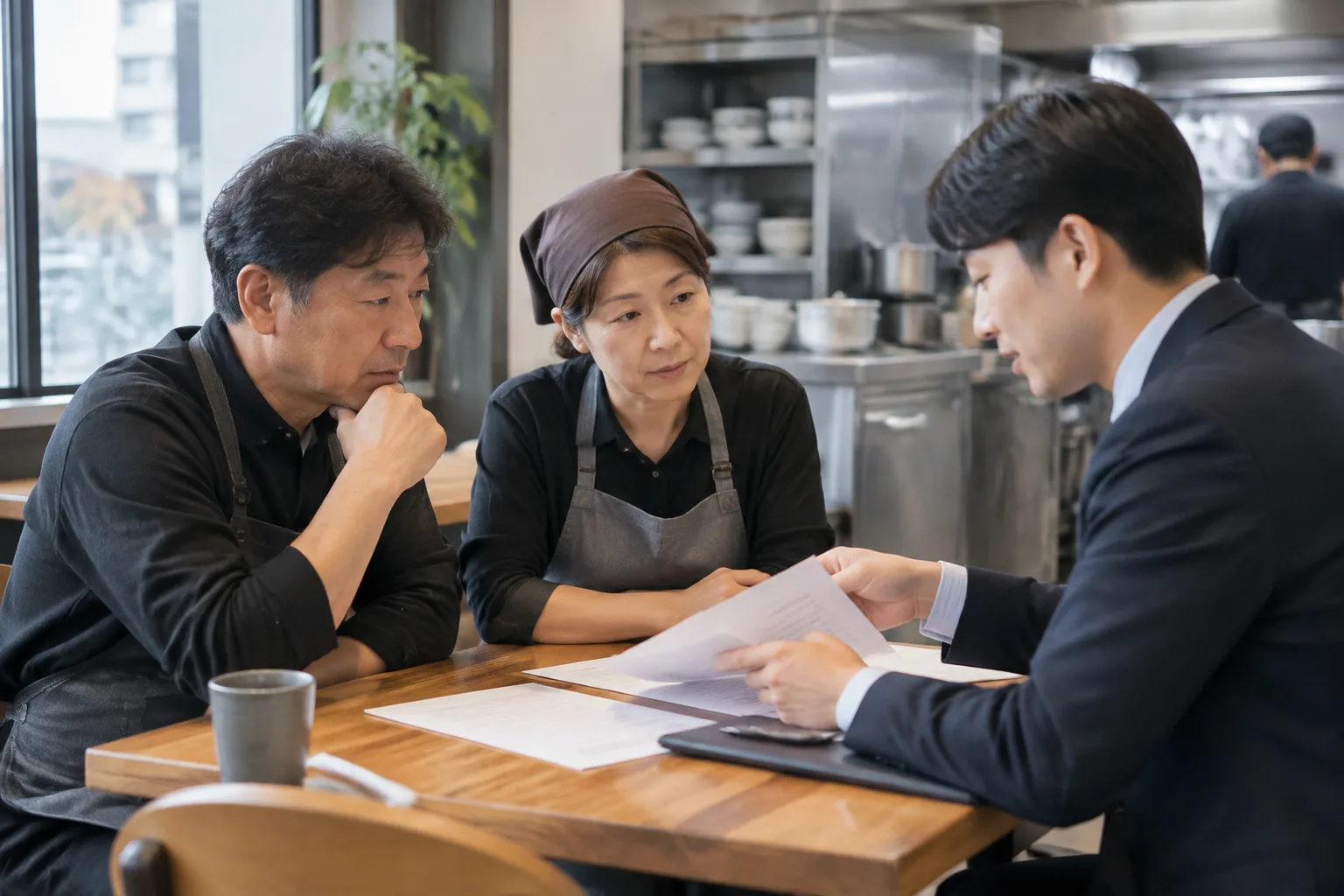
Dining Brands Group and Ubuntu World, operator of Ilpum Yangpyeong Haejangguk, have been selected for Seoul Metropolitan Government’s ‘2026 Seoul Mutual Growth Franchise’ scheme. The scheme assesses fair trading relationships between franchisors and franchisees, with communication, co-operation and business sustainability among its criteria. The support announced by the two companies covers dispute mediation, relief from rising raw material costs, franchisee welfare and individual outlet marketing.
Document reviews, site assessments and franchisee satisfaction surveys
Dining Brands Group announced on 30 October that it had been recognised as an outstanding franchisor under the scheme. The company attended the ‘Seoul: An Ecosystem for a Shared-Growth Economy’ declaration ceremony the previous day, held in the multipurpose hall on the eighth floor of Seoul City Hall’s main building. The event also included awards for outstanding franchisors. Ubuntu World’s selection was likewise announced on 29 October.
The Seoul Mutual Growth Franchise scheme aims to foster fair relationships between franchisors and franchisees and encourage a culture of shared growth. Seoul has operated the scheme since 2025, offering incentives to franchisees affiliated with selected franchisors. It is designed to ensure that recognition for a franchisor also translates into support for its franchisees.
Assessment criteria include compliance with the Fair Transactions in Franchise Business Act and other relevant legislation, fairness in trading relationships and the sustainability of the franchise business. Communication and co-operation with franchisees, along with links to the local economy, are also assessed. An evaluation committee makes the final selection following document reviews, site assessments and franchisee satisfaction surveys.
The selection itself is therefore only part of the story. It also matters how each franchisor consults franchisees, which costs it covers and what support it provides. When comparing shared-growth policies across the franchise sector, it is important to distinguish the name of a scheme from how it works in practice.
Dining Brands Group: dispute mediation and raw material cost relief
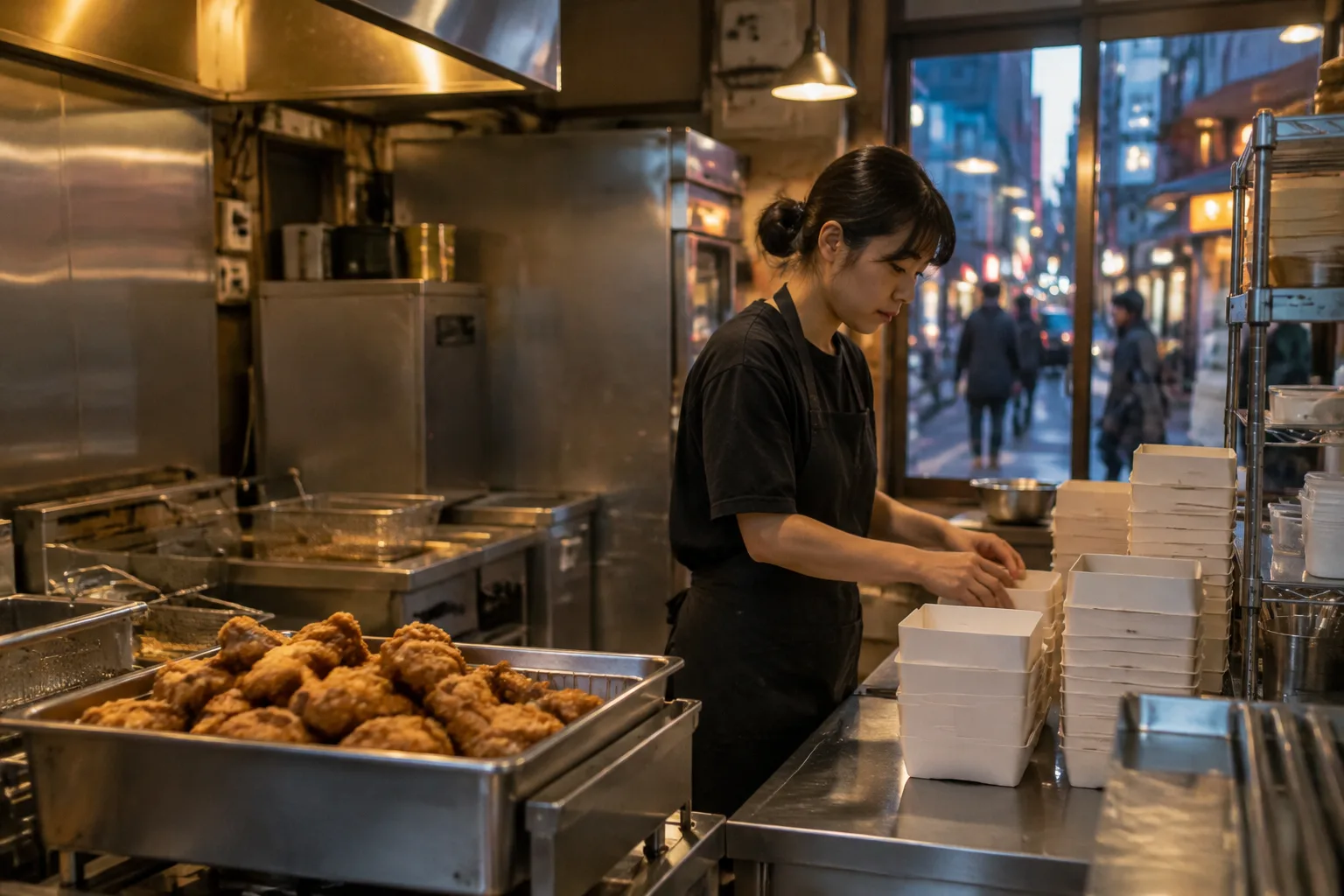
Dining Brands Group is a restaurant business whose portfolio includes bhc, Outback Steakhouse, Changgo43 and Keunmam Halmae Sundaeguk. The company says it has pursued policies based on communication with franchisees to improve profitability and support stable outlet operations. It highlighted its voluntary dispute mediation framework and supplies provided to franchisees as key examples.
In 2024, the company established a Voluntary Dispute Mediation Council comprising external franchise experts and representatives from the franchisee side. The council provides a channel for addressing potential conflicts between the franchisor and franchisees and resolving them through consultation. Franchisee representation is a notable feature of its disclosed structure.
However, the existence of a council should not be confused with evidence that individual disputes have been resolved. Franchisees examining such a body should check how they can submit their views and how the outcomes of discussions are communicated. These are practical questions about access to the mechanism, separate from the company’s recognition under the scheme.
On cost support, the company said it provided chicken boxes worth approximately KRW 850 million and boneless chicken meat worth approximately KRW 650 million in 2024. With both the types of supplies and their values specified, these are examples of direct operational support, distinct from its consultation arrangements.
The company also disclosed the raw material price increases it had absorbed. According to Dining Brands Group, it absorbed approximately KRW 35 billion in 2024, amid rising raw material prices and instability in chicken supplies, and approximately KRW 13 billion in 2025. The two-year total is around KRW 48 billion. These figures represent the costs the company says it bore; they do not indicate an equivalent increase in individual outlets’ profits.
Health checks, funeral support and franchisee recipe ideas
Dining Brands Group’s support extends beyond outlet operating costs to welfare programmes for franchisees and their families. The company provides free health checks for franchisees and their spouses. Unlike supplies delivered to outlets, this support is aimed at franchisees’ personal and family wellbeing.
In 2024, it introduced a funeral assistance service providing professional funeral directors, funeral supplies and related support. It also listed scholarships for franchisees’ children and gifts to mark special occasions among its existing welfare programmes. The company described these measures as policies intended to improve franchisees’ welfare and financial security in their personal lives.
More recently, it held the ‘2026 bhc Chicken Challenge’ for franchisees. The event was designed to identify creative recipe ideas proposed by outlet owners and review cooking processes at individual outlets. Separate from financial or welfare support, it is a participation programme drawing on franchisees’ cooking experience and ideas.
These policies serve different purposes. Health checks and funeral assistance support franchisees’ personal lives, while the recipe event focuses on menu ideas and cooking processes. Anyone operating an outlet or considering opening one should check eligibility and application procedures for each programme separately.
Ubuntu World: outlet-specific marketing and start-up cost support
Ubuntu World, which operates Ilpum Yangpyeong Haejangguk, a Korean soup restaurant franchise, said its selection recognised its co-operation with franchisees and efforts to create a fair trading environment. Its announced support centres on a dedicated team and marketing for individual outlets, combining a franchisor-level co-operation structure with outlet-specific support plans.
Ubuntu World has established a department dedicated to franchisee co-operation and support. It also said it develops a marketing roadmap for each franchise outlet and covers the associated costs in full. A specific feature of the announcement is its emphasis on individual outlet plans rather than a shared promotional plan alone.
The company also outlined fee waivers for new openings and businesses converting to the franchise. These cover the initial franchise fee, training fee and contract performance deposit. Waiving these three items should not be interpreted as covering all opening costs. Prospective franchisees should distinguish the waived items from the costs they will still need to bear.
The two announcements show how support can differ even under the same shared-growth banner. Dining Brands Group highlighted dispute mediation, raw material cost relief and franchisee welfare, while Ubuntu World presented its dedicated department, outlet-specific marketing and initial fee waivers. Rather than treating these as directly comparable in value or effect, franchisees should assess them against their own stage of business development.
In practice, it is worth checking both a franchisor’s recognition under the scheme and the actual terms of its support. Existing franchisees should establish which consultation, welfare and marketing channels they can use, while prospective franchisees should confirm the scope of any fee waivers. The starting point for assessing shared-growth policies in the franchise sector is a clear understanding of the support available to your own outlet.