This One Group launches two brands in Taichung as franchise sector watches hybrid dining test
This One Group is launching TEN SHOW and Busan Noodle Workshop, using their first outlets in Taichung to test a model combining meals, drinks and social space. For the franchise sector, the key question is how operational data can validate a new concept before it becomes a replicable store format.
Published
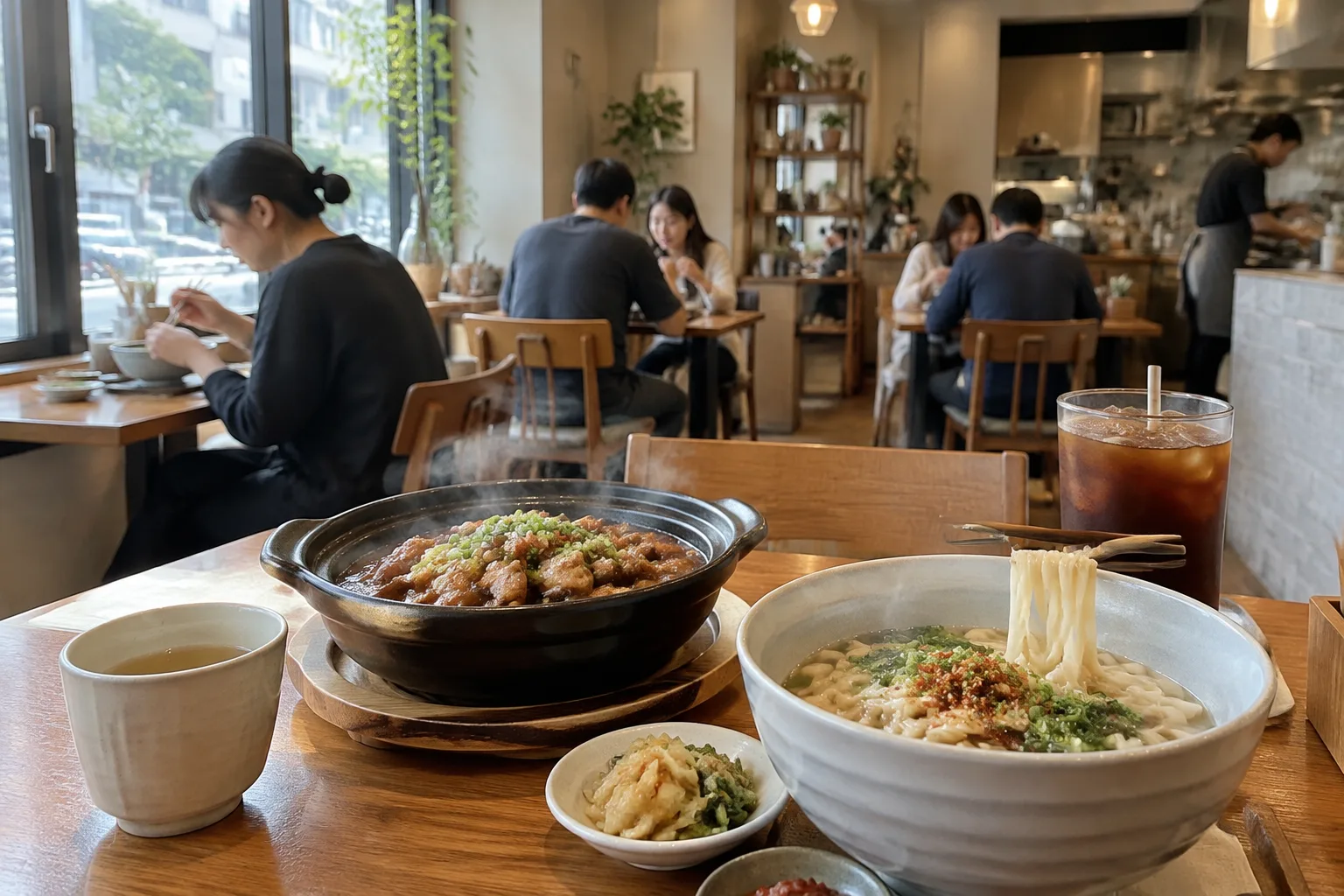
Taiwan’s This One restaurant group has announced two new brands, ‘TEN SHOW Claypot Tea House’ and ‘Busan Noodle Workshop’, with both opening their first outlets in Taichung. According to a report by SET News on 24 October 2026, the group’s positioning centres on ‘affordable quality’, combining distinctive dishes, drinks and the in-store experience. The first outlets will be used to test consumer demand and the operating model. For Taiwan’s franchise sector, the key point to watch is how this hybrid dining concept translates from brand positioning into day-to-day operations.
Claypot dishes with tea, Korean noodles with coffee
The two brands offer different product combinations. TEN SHOW pairs claypot cooking with a modern tea house, while Busan Noodle Workshop serves freshly cut Korean knife-cut noodles alongside extra-cold iced Americanos. Drawing inspiration from Japanese and Korean dining formats that weave distinctive food, drinks and lifestyle culture into everyday life, the group is seeking to bring meal and beverage purchases into the same space.
The group’s general manager, Chang Chi-wen, said that on previous trips to Busan and Japan, he had found simple, inexpensive dining options that still offered distinctive food and a fitting dining experience. The group aims to provide straightforward dining solutions rather than focusing solely on all-you-can-eat offers or simply filling customers up.
‘Affordable quality’ is therefore the brands’ stated positioning, not an outcome already substantiated by operating data. What is confirmed at this stage is the product direction of both brands, the city chosen for their first outlets and the group’s plan to use those outlets to test the market.
Meeting different dining needs under one roof
Under the plans announced by the group, the two brands aim to offer more than meals and seating. They intend to cater for quick solo meals, dates, group gatherings, business conversations, post-meal relaxation, takeaway and delivery. Combining meals, drinks and social uses is a central part of the launch.
Chang described the move as a gradual shift from providing food and a place to eat towards offering a broader range of dining solutions. Both brands will use their first outlets as the starting point for market validation, continually assessing consumer demand and their operating models. The aim is to explore the potential of hybrid dining formats serving multiple occasions and use the findings to inform the group’s next phase of brand development.
This also defines the limits of the announcement: the group has unveiled new brands and a plan to test their first outlets. It should not be interpreted as a franchise recruitment drive or a fully developed model ready for replication. When assessing new outlets of this kind, prospective franchisees should distinguish between the occasions a brand hopes to serve and the capabilities it has demonstrated in practice.
More offerings do not necessarily make a better hybrid format
How to make hybrid store formats work has also been a recent topic of discussion in Taiwan’s franchise sector. In a business commentary published on 22 October by the Ai Lian Meng entrepreneurship and franchising website, chief executive and principal consultant Lin Chih-ying argued that brands need to rethink why customers should visit their premises when they can choose from delivery platforms, convenience stores, e-commerce and social-media group buying.
His suggestions included combining coffee with light meals and retail, pairing pet grooming with membership services, and developing compact, low-staffing formats supported by digital membership programmes. However, he also stressed that adding more offerings does not automatically make a hybrid business more effective.
Lin recommended that franchisors first assess whether additional services share the same customer base, whether equipment and staff can be shared, and whether the extra revenue is sufficient to cover the additional costs. These are general recommendations on operating models, not a specific assessment of This One Group’s two brands. Nevertheless, they give prospective franchisees comparing hybrid formats a more concrete framework than simply counting the products on offer.
Validate profitability before pursuing replication
On the sequence of expansion, Lin advocated first using company-owned pilot outlets to test average transaction value, repeat purchase rates, operating profit, investment payback periods and staff productivity. Only once the data demonstrates that the model can generate consistent profits should a business establish standardised training and supply-chain arrangements, then move into franchise expansion.
This One Group’s announcement that it will use its first outlets to assess consumer demand and operating models provides a clear focus for future scrutiny: whether different dining occasions can be served successfully within one outlet, and how the integration of food, drinks and space performs in practice. For now, the brand concepts should not be treated as evidence of proven investment returns.
In practical terms, prospective franchisees comparing hybrid dining opportunities can start with three questions: do the different products serve the same customers, can equipment and staff be shared efficiently, and what verifiable operating records do the pilot outlets have? Reviewing the test results before assessing commitments to open an outlet is a more prudent approach than deciding on the strength of a new brand concept alone.