Taiwan’s competition regulator blocks Grab’s foodpanda acquisition as restaurant franchises watch platform competition
Taiwan’s Fair Trade Commission blocked Grab’s acquisition of foodpanda’s Taiwan business on 21 October 2026, citing shareholding links and the risk of market coordination. foodpanda’s current operations are unaffected, but the planned platform migration cannot proceed as scheduled.
Published
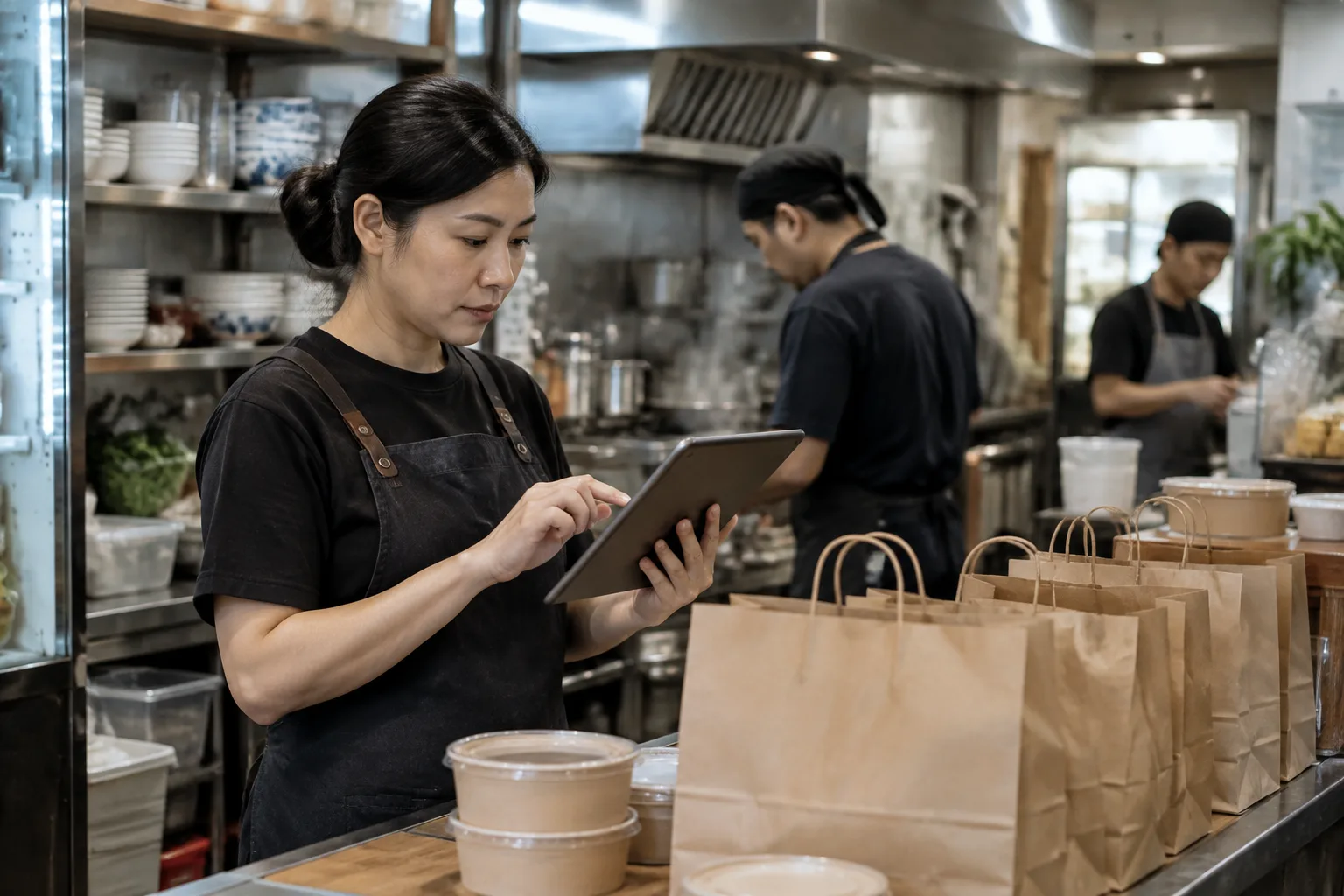
A proposed acquisition in Taiwan’s food delivery market has hit another regulatory hurdle. On 21 October 2026, the Fair Trade Commission (FTC) decided to prohibit Grab’s acquisition of foodpanda’s Taiwan business, concluding that the harm to competition would outweigh the overall economic benefits. For restaurant franchise businesses that use delivery platforms, the significance goes beyond a prospective buyer being unable to enter the market: the decision also shows how the regulator assesses effective competition between platforms.
US$600 million deal fails to secure approval
According to United Daily News, Grab announced an agreement with Delivery Hero on 23 March this year to acquire foodpanda’s Taiwan business for US$600 million. The transaction was due to close in the second half of 2026, with full platform migration scheduled for the first half of 2027.
Following the FTC’s decision, these arrangements cannot proceed as originally planned. This is another unsuccessful attempt to acquire the platform’s Taiwan business, after Uber Eats’ proposed US$950 million acquisition was rejected in 2024.
Although the buyers differed, this review did not focus solely on whether the acquirer already operated a delivery service in Taiwan. It also examined whether shareholding links and existing commercial relationships could affect competitive behaviour after the takeover.
Shareholding links and coordination risks prove decisive
United Daily News, citing the FTC’s findings, reported that Uber currently holds approximately 13.1% of Grab and that the two companies have a history of commercial cooperation. The FTC considered that Grab’s takeover of foodpanda’s Taiwan business could weaken effective competition. The commitments offered by the parties were insufficient to resolve those concerns.
CardU News outlined four main considerations behind the FTC’s decision. First, Uber’s shareholding in Grab could reduce Uber Eats’ incentive to compete vigorously. Second, the ownership link could also change how the two businesses interact, creating shared interests that reduce Grab’s incentive to compete vigorously.
Third, Grab and Uber have interacted in other markets for years and are familiar with each other’s competitive behaviour and market strategies. This makes their actions easier for each other to predict, increasing the risk of coordination that would weaken competition. Fourth, Taiwan’s food delivery platform market has high barriers to entry. New entrants would struggle to compete with established platforms in the short term, leaving insufficient competitive pressure to disrupt any coordination.
These are the regulator’s assessments of potential market risks following the transaction, not findings that the platforms have already engaged in coordinated behaviour. Understanding this distinction helps franchise businesses avoid mistaking a merger review decision for a ruling on existing merchant contracts.
Grab expresses disappointment; foodpanda operations unaffected
A Grab spokesperson said the company acknowledged the regulator’s decision and was disappointed with the outcome. Grab had planned to bring innovative services, opportunities to earn a reasonable income and improved service standards to Taiwan, but those plans cannot proceed as intended.
Grab also said it would continue investing funds and resources in its Southeast Asian markets. Its statements about services and earning opportunities describe its original plans, rather than measures already implemented in Taiwan. They should not be taken as new terms already available to merchants.
According to CardU News, foodpanda had not responded at the time of reporting, and its current operations remain unaffected. A blocked acquisition is therefore not the same as a platform shutting down. Restaurant franchise outlets should not interpret the rejection as a sign that their existing order-taking services are about to be interrupted.
Franchise head offices should distinguish deal news from contract changes
This decision concerns a corporate merger and market competition. It does not provide grounds for assuming that merchant commission rates, promotional offers or settlement terms will change. For head offices managing multiple franchise outlets, the practical approach is to handle news about platform transactions separately from day-to-day operational notices, so that outlets do not change procedures on the basis of a migration timetable that is no longer proceeding as planned.
Head offices that made internal preparations for the platform migration originally scheduled for the first half of 2027 should now review the assumptions behind those plans, using official platform notices and current contracts as their reference points. Outlets can also collate contact details for order management, payment settlement and merchant support, allowing head office to communicate any subsequent changes consistently rather than leaving individual outlets to interpret the news themselves.
Practical reminder: maintain normal order-taking arrangements for now, verify platform notices, and confirm any fee or service changes separately from acquisition news. Do not treat a rejected transaction as a change to merchant terms that has already taken effect.