Taking over an existing franchise outlet does not automatically give you permission to use the brand. Before paying, distinguish the asset purchase from the transfer of franchise rights, and check head office approval, fresh fees and responsibility for liabilities before and after the handover.
The turnover quoted by a franchisor does not tell you what your own outlet will earn. Check the reference stores, included costs and payback assumptions before deciding whether a profit forecast fits your proposed location.
The end of a franchise term does not mean you can automatically carry on trading. Before signing, check renewal eligibility, application deadlines, new contract terms and any additional investment required, so you do not face uncertainty just as your outlet finds its feet.
A mandatory point-of-sale system is more than an equipment cost: it also affects reconciliation, account checks and access to historical records. Before buying a franchise in Taiwan, check fees, data permissions, backup arrangements and disconnection terms to avoid unclear conditions disrupting your business.
Taking on a franchise through a company does not necessarily shield your personal assets. Before signing a guarantee, check who is guaranteeing what, the maximum liability and the release conditions, so you do not remain liable for debts after leaving the business.
A requirement to follow the franchisor’s latest rules can mean the commitments you make at signing keep changing. Before investing in a franchise in Taiwan, clarify the status of the operations manual, the scope for unilateral changes, and how new costs will be notified and negotiated.
A franchisee’s breach does not necessarily justify immediate termination. Understand Taiwan’s franchise rules and establish a process backed by evidence, opportunities to remedy breaches and clear decision-making authority.
A profitable company-owned outlet does not mean franchisees can achieve the same returns. Learn how to organise pilot data, include franchise-specific costs and test quieter trading scenarios so that profit projections become a reliable decision-making tool.
Even when a franchise fee is collected as a one-off payment or includes equipment and raw materials, invoicing and tax reporting obligations still apply. Before recruiting franchisees, franchisors should clarify what each transaction covers, who receives payment and how Taiwan’s uniform invoices will be issued.
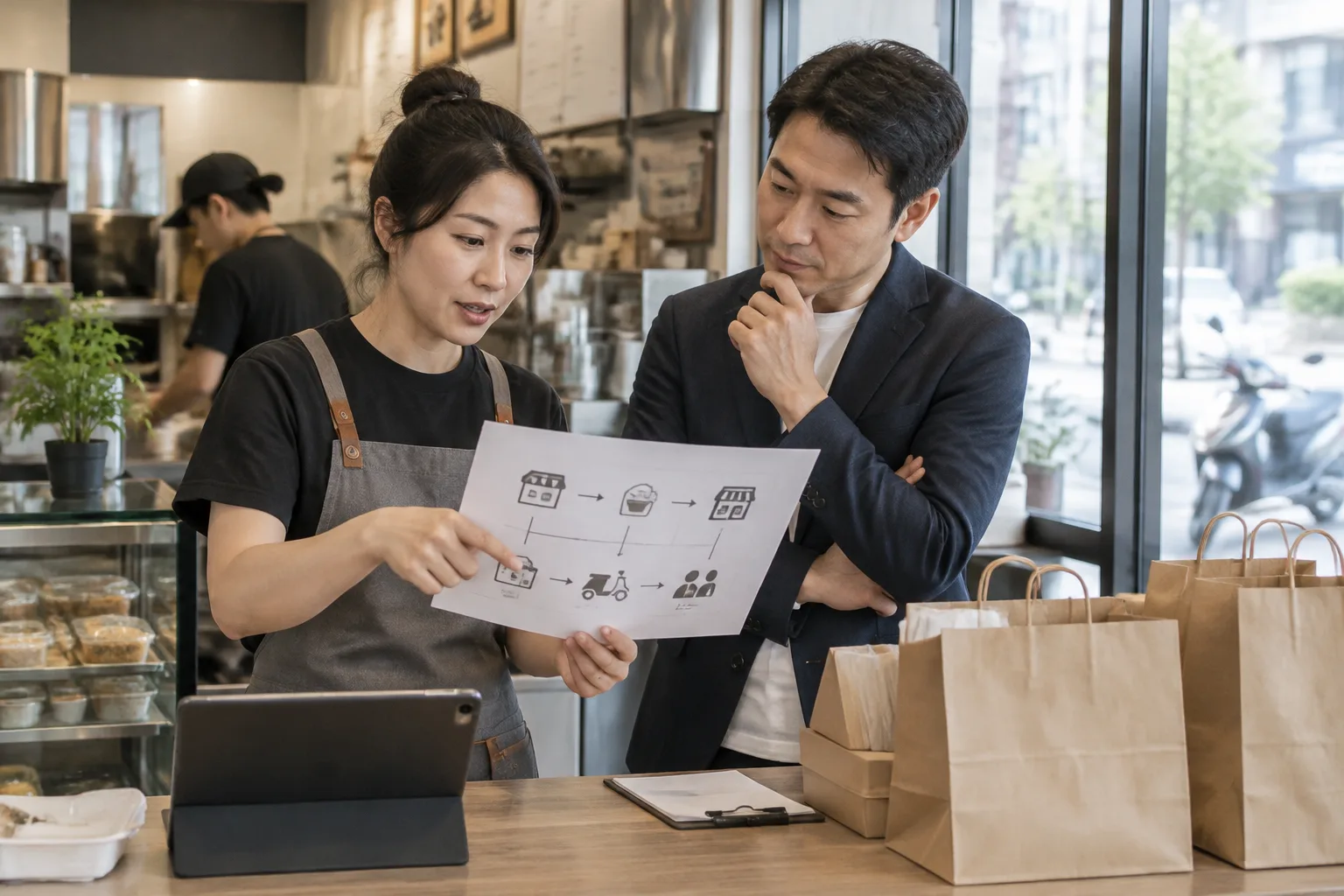
A franchise licence for a physical shop does not automatically include every online sales channel. Before recruiting franchisees, franchisors should clarify who can open platform accounts, how orders are allocated and where deliveries are permitted, so prospective franchisees understand both the opportunities and the limits of digital channels.
Requiring particular ingredients can help maintain quality, but minimum order quantities may leave franchisees with excess stock. Franchisors should first establish why purchasing restrictions are necessary, then specify quantities, costs and alternatives for supply shortages.
‘Support throughout’ should be more than a recruitment slogan. Before offering franchises, clearly set out what head office will provide, its service hours, charges and remedies for missed commitments, so that your promises are sustainable.
Shisanmei Luosifen now has more than 70 locations in Taiwan, expanding through single-operator carts, standardised procedures and on-site training. The brand lists a franchise fee of NT$350,000, although actual start-up costs depend on the site and individual requirements.
With 86 outlets across Taiwan, United International Travel Service aims to exceed 100 by 2027, expanding its franchise network through neighbourhood branches and more travel products departing from Taichung and Kaohsiung.
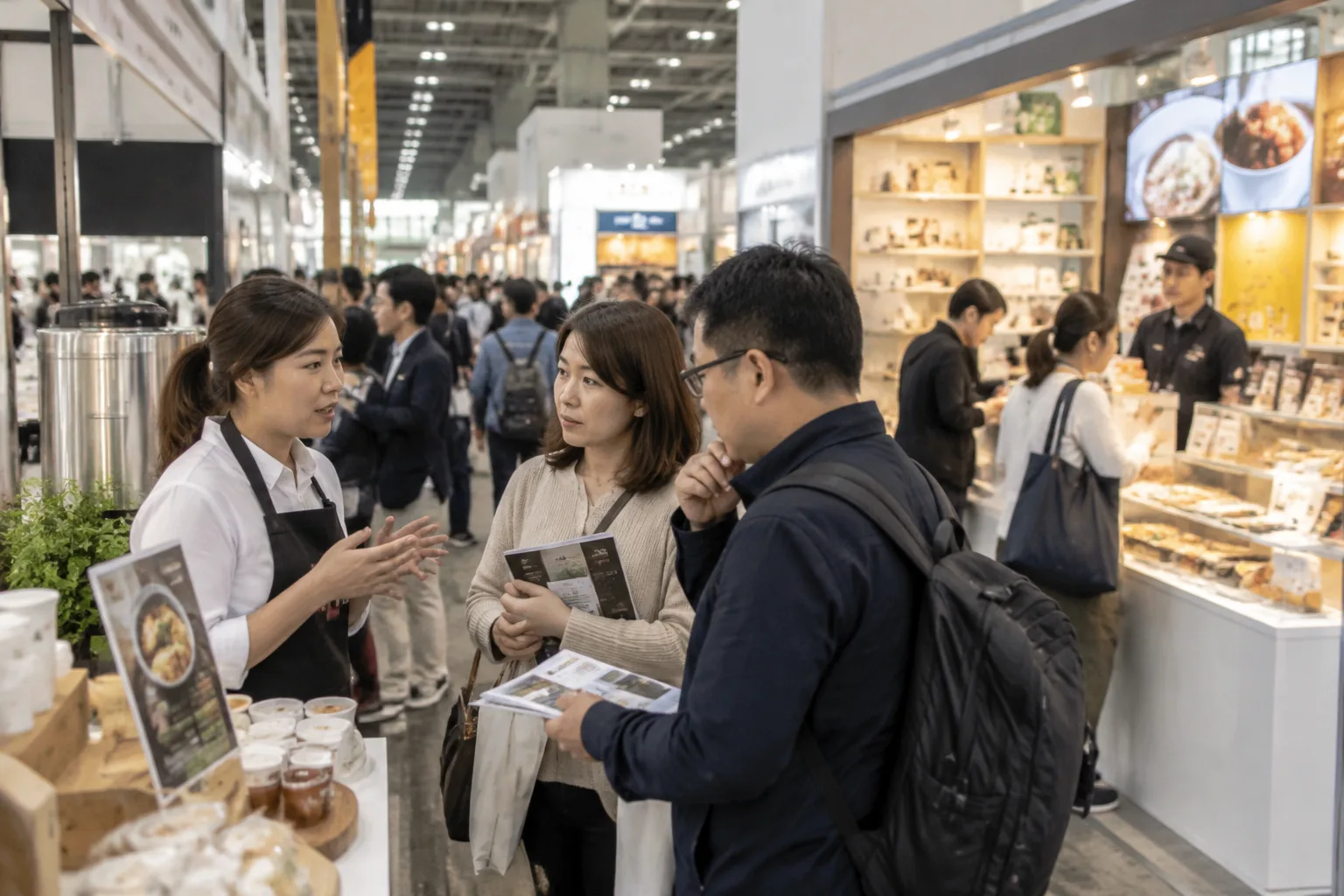
The 2026 Taipei International Chain and Franchise Summer Exhibition opened on 12 June, bringing together more than 100 brands across 300 stands. The organiser expects it to lead to over 1,000 new outlets, but these figures are forecasts rather than realised results.