Taiwan’s beef noodle shops turn to ‘back-end chains’, raising questions over supply and branding
An investigation by FoodNEXT into more than 30 beef noodle shops with different names but similar menus in Taipei, New Taipei and Taoyuan suggests they may share prepared broth-and-beef packs. This ‘back-end chain’ model lets owners retain their own brands while taking responsibility for running their outlets.
Published
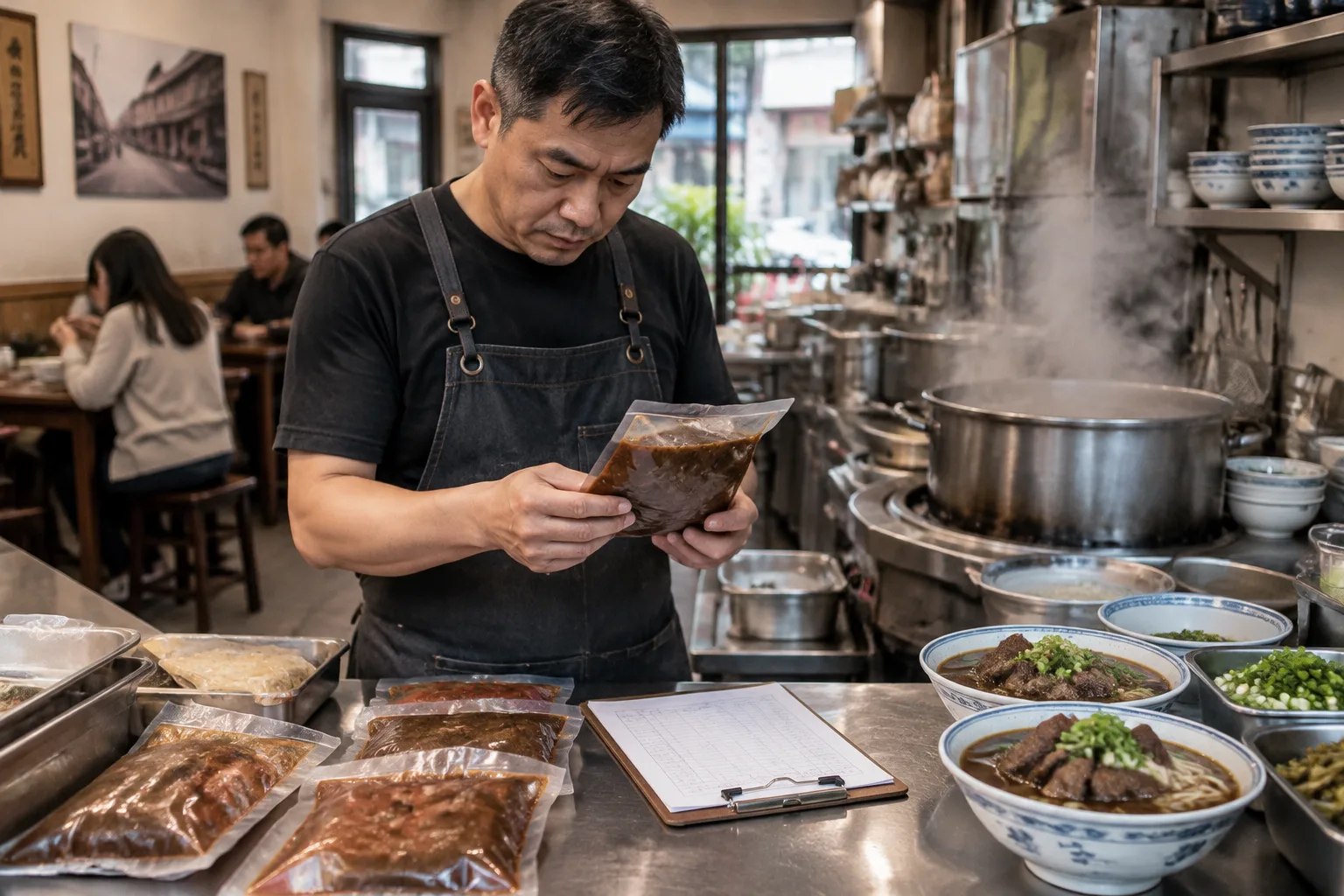
Restaurant franchise partnerships in Taiwan do not necessarily begin with a shared shop sign. On 14 October 2026, FoodNEXT reported that more than 30 beef noodle shops with different names but similar menus in Taipei, New Taipei and Taoyuan may be using the same prepared broth-and-beef packs. Described by consultants as a ‘back-end chain’ model, this approach separates product supply from customer-facing branding. It offers another form of partnership for the franchise sector, while bringing supply responsibilities and outlet autonomy into sharper focus.
Different shop signs can conceal similar supply systems
According to a summary of the FoodNEXT report published by Taiwan Chain Restaurant Briefing on 19 October, factories can supply these shops with prepared broth-and-beef packs, noodles and pickled mustard greens, as well as black tea and soya milk. Partnerships may also cover menu planning, licensing of technical know-how and support with opening a shop, without requiring operators to use a common brand.
The ‘more than 30’ figure refers to similar shops covered by the investigation, not a confirmed outlet count for any particular franchise brand. The report only suggests that these shops may share supply systems; it does not establish that they all have the same contractual arrangements.
For prospective shop owners, this highlights an important distinction: the name above the door does not necessarily reveal where the products come from, and similar menus do not mean that outlets are managed by the same head office. When comparing partnership offers, it is important to establish separately who provides the brand licence, food supplies and operational support.
Providing the system while leaving the brand to the operator
Chen Huan-cheng, founder and chief executive of Sen Sen Sen Restaurant Management Consultancy, calls this approach a ‘back-end chain’ model. In his account, a traditional franchise provides a ‘brand plus system’, whereas this type of partnership may provide only the system, leaving operators to choose their own brand.
Lin Kang-yu, founder of Tianwei Management Consultancy, also distinguishes between front-end and back-end partnerships. Front-end franchising focuses on a common brand, signage and outlet management; back-end franchising focuses on product supply and logistical support. He notes that the back-end model can avoid the territorial restrictions associated with chain expansion while reducing suppliers’ outlet-management burden.
This is not simply a matter of replacing a franchise sign with an independent name. It redraws the division of responsibilities. Suppliers provide products and some of the tools needed to open a shop, while owners retain control over branding. When assessing an offer, ‘support with opening’ should not be taken to mean the full management service offered by a traditional franchise head office. The scope of support still needs to be checked item by item.
Greater autonomy does not remove operating responsibilities
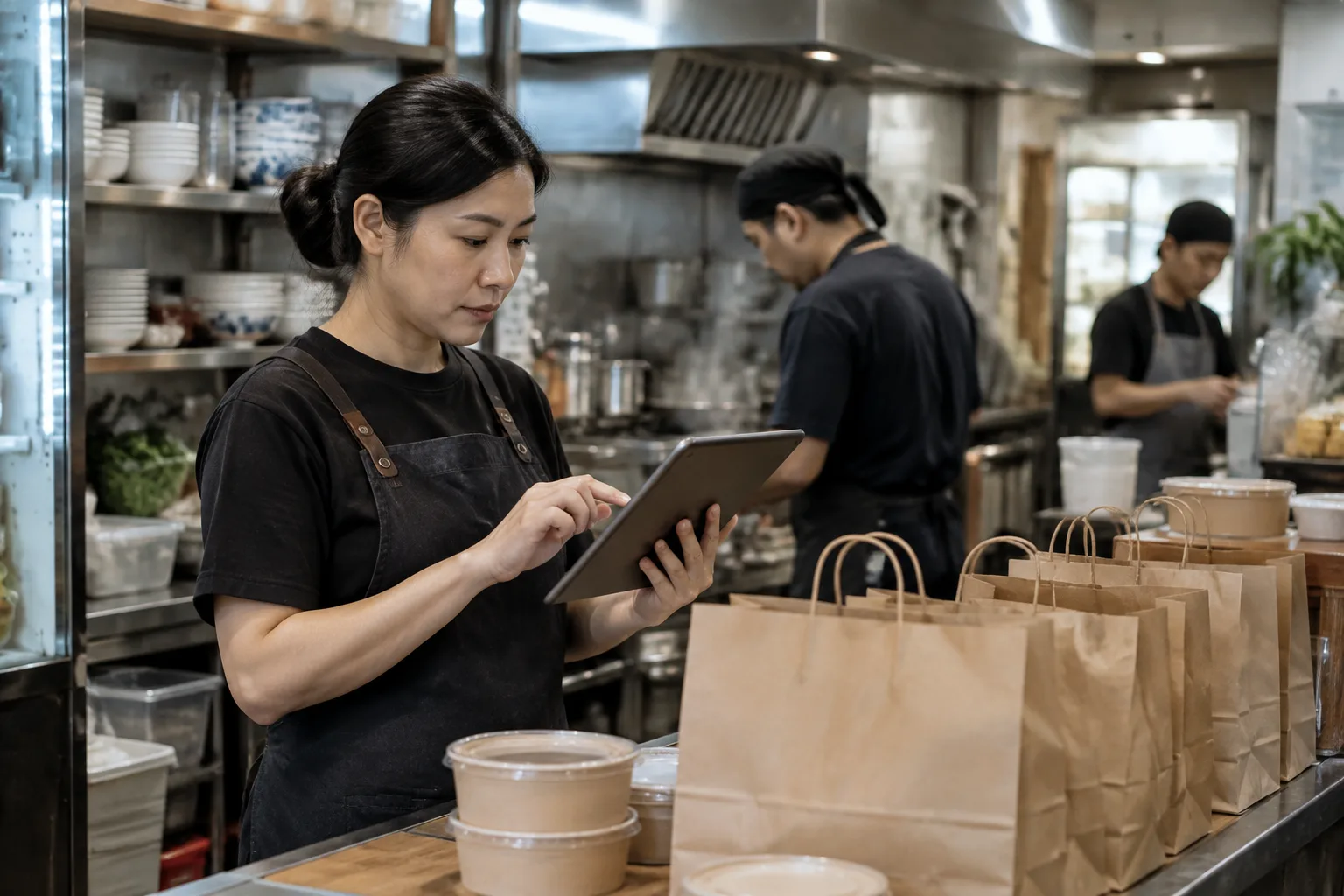
The report notes that, under a back-end partnership, shop owners are responsible for site selection, rent, staffing, pricing and marketing. Suppliers cannot guarantee footfall or sales. Even where the main food products come through a standardised supply system, the supply arrangement alone cannot determine whether a shop will attract customers.
For the franchise sector, this also offers a way to assess brand value. If a partnership mainly provides products that a factory can supply, prospective operators should ask what, specifically, it also offers in terms of branding, service design and day-to-day operational support. Preparing products and running an outlet are separate tasks and should not be treated as interchangeable.
Owners planning to trade under their own name can draw up a list of their responsibilities before signing a contract, particularly pricing, promotion and staffing, then compare it against the services promised by the supplier. This provides a practical starting point for judging whether the partnership suits their capabilities, rather than simply checking whether there is a franchise fee.
Shared supply chains require clear allocation of risk
Taiwan Chain Restaurant Briefing also warns that when several shops rely on the same supplier, shortages, price changes or food safety problems may affect multiple brands at once. Separate customer-facing brands do not necessarily mean separate supply-chain risks.
When assessing these partnerships, prospective operators should therefore request written terms covering purchasing obligations, how prices may be adjusted and their rights after the partnership ends. They should also confirm which products must be bought from designated suppliers. If different organisations provide food supplies and technical support, their respective service responsibilities and points of contact should be clarified in advance, rather than waiting for an operational problem to arise before asking who is responsible.
Practical tip: When considering a ‘back-end chain’ partnership, start with three separate lists: brand rights, supply terms and shop-owner responsibilities. Establish what support you are buying and what work you will still need to do yourself before assessing partnership costs and plans for opening.