Multi-unit franchisees run 283 My Warm Day outlets as digital management supports expansion beyond 1,000 stores
Of My Warm Day’s 1,044 outlets across Taiwan, 283 — around 27% — are run by multi-unit franchisees. The brand continues to introduce AI and digital management tools to help existing franchisees expand, with a target of reaching 1,500 outlets by 2030.
Published
Having passed the 1,000-outlet mark, My Warm Day is focusing not only on recruiting new franchisees but also on helping existing operators manage multiple sites. According to a 25 October report by Minpo, parent company Super Qin disclosed at its August 2026 investor briefing that 283 of My Warm Day’s 1,044 outlets across Taiwan were run by multi-unit franchisees, representing around 27% of the network. For those considering Taiwan’s franchise market, the key question is how experience running one outlet translates into the ability to manage several.
Multi-unit operations account for around 27%, with existing franchisees central to expansion
Super Qin general manager Lin Li-ling has set a target of adding a net 100 outlets a year, aiming for 1,500 by 2030 and working towards 2,000 by 2035. These are the company’s expansion targets, not openings already achieved.
Alongside recruiting new franchisees, Lin is placing existing franchisees at the heart of the growth strategy. Operators who already know the brand do not have to learn food preparation and store procedures from scratch when expanding into another trading area. However, moving from one outlet to several also increases the demands of staffing, purchasing and stock management.
Importantly, the figure of 283 refers to outlets run by multi-unit franchisees, not to 283 individual multi-unit franchisees. The proportion shows that part of the network already operates under a multi-site model. It does not reveal how many outlets each franchisee owns, nor does it establish their profitability.
AI and information systems support multi-site management
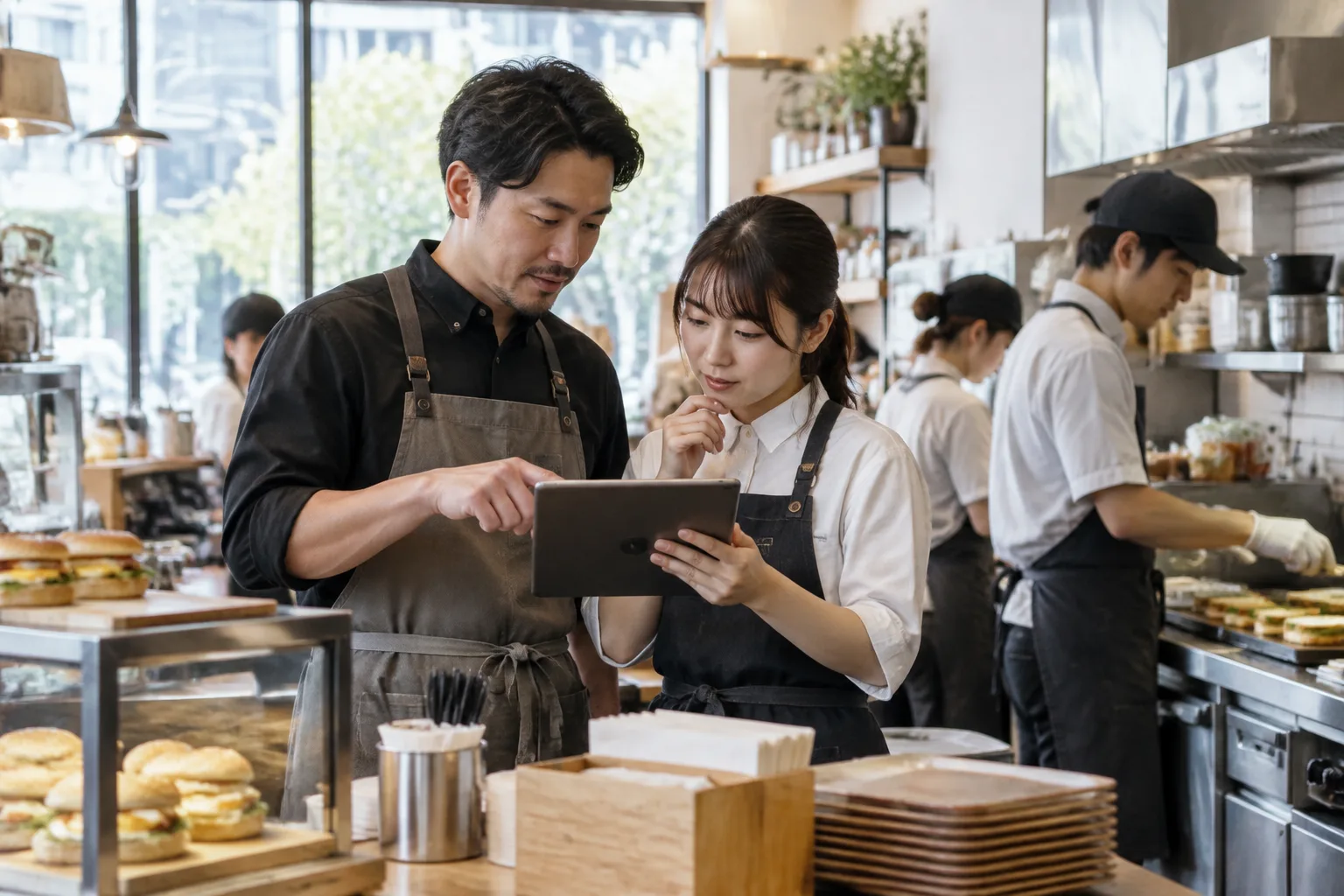
To help franchisees scale up, My Warm Day continues to introduce AI and digital management tools for analysing operating data and costs, alongside information systems that provide visibility over outlet performance. Lin hopes digitalisation will reduce the management burden, enabling franchisees to expand rather than simply take on more work.
One challenge of multi-unit operation is that an owner cannot be present at every outlet at once. Staff rotas, food preparation and stock levels require consistent, comparable information across sites. The brand’s stated approach is to support management through data and systems. However, the report does not quantify the working hours these tools save per outlet or compare franchise profitability before and after implementation. Using AI should therefore not be equated with achieving a particular return.
For franchisees considering a second outlet, the practical questions are what reports head office provides, whether costs can be tracked at each site, and who follows up when problems arise — not simply whether a system is marketed as intelligent.
Digital ordering approaches 60% of sales, with member data informing food preparation
According to figures released by the company in 2026, My Warm Day’s app membership has exceeded 1.35 million, while its LINE membership has reached 1.64 million. Spending through digital ordering services — including the app, table-side QR codes and delivery platforms — now accounts for nearly 60% of total outlet revenue.
This proportion covers several ordering channels; it does not mean that the brand’s app alone generates 60% of revenue. Nor should the two membership figures be added together and treated as a total of unique customers.
The report notes that customer spending data can support not only member promotions but also analysis of popular dishes, ordering times and customer preferences in different trading areas, informing menu changes and food preparation. For breakfast outlets where demand is concentrated in the morning rush, a clearer understanding of demand can help with service planning and staffing. Whether the data is used effectively, however, still depends on day-to-day execution at each outlet.
Head office growth and franchisee profitability must be assessed separately
Franchising is My Warm Day’s main expansion model. Head office handles product development, ingredient supplies and logistics, while franchisees run local outlets. Super Qin’s merchandise sales revenue reached NT$2.251 billion in 2025, accounting for 73.99% of consolidated group revenue and highlighting the importance of supplying outlets to the group’s income.
In the first half of 2026, Super Qin reported consolidated revenue of NT$1.707 billion, up 19.13% year on year, and net profit after tax of NT$135 million, up 29.79%. However, the group also operates brands including Fried Chicken Master and Shuan Jin Guo. These financial results cannot be attributed entirely to My Warm Day, nor do they mean franchise outlets achieved equivalent growth.
As the outlet network expands, franchisees still need to weigh up how customers may be shared between neighbouring trading areas, alongside wages, rents and ingredient costs. Lin has emphasised that enabling franchisees to make money matters more than simply increasing outlet numbers. Moving from one outlet to several likewise depends on maintaining sustainable store-level operations.
Practical tip: Before expanding, assess your existing outlet’s actual profit and loss, your capacity to train store managers, and the management reports available across sites. Then check the proposed trading area and purchasing and delivery arrangements. The brand’s outlet count and head office profits provide useful context, but they cannot replace a stand-alone budget for a second outlet.