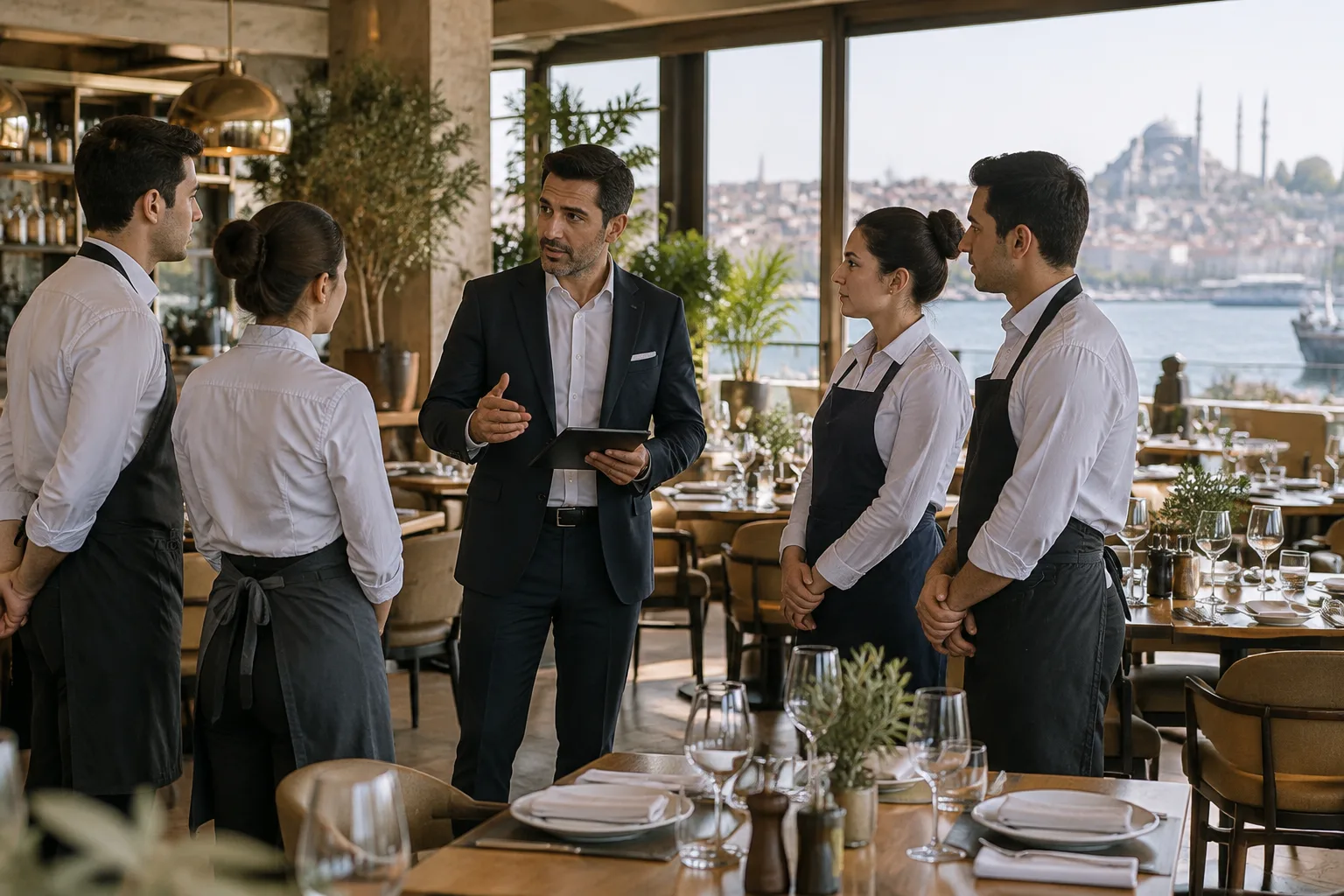
Pide and lahmacun lead food orders as Turkish chains expand
Twentify research puts pide and lahmacun ahead in food orders. Turkish chains are expanding through standardised recipes and franchise networks.
Published
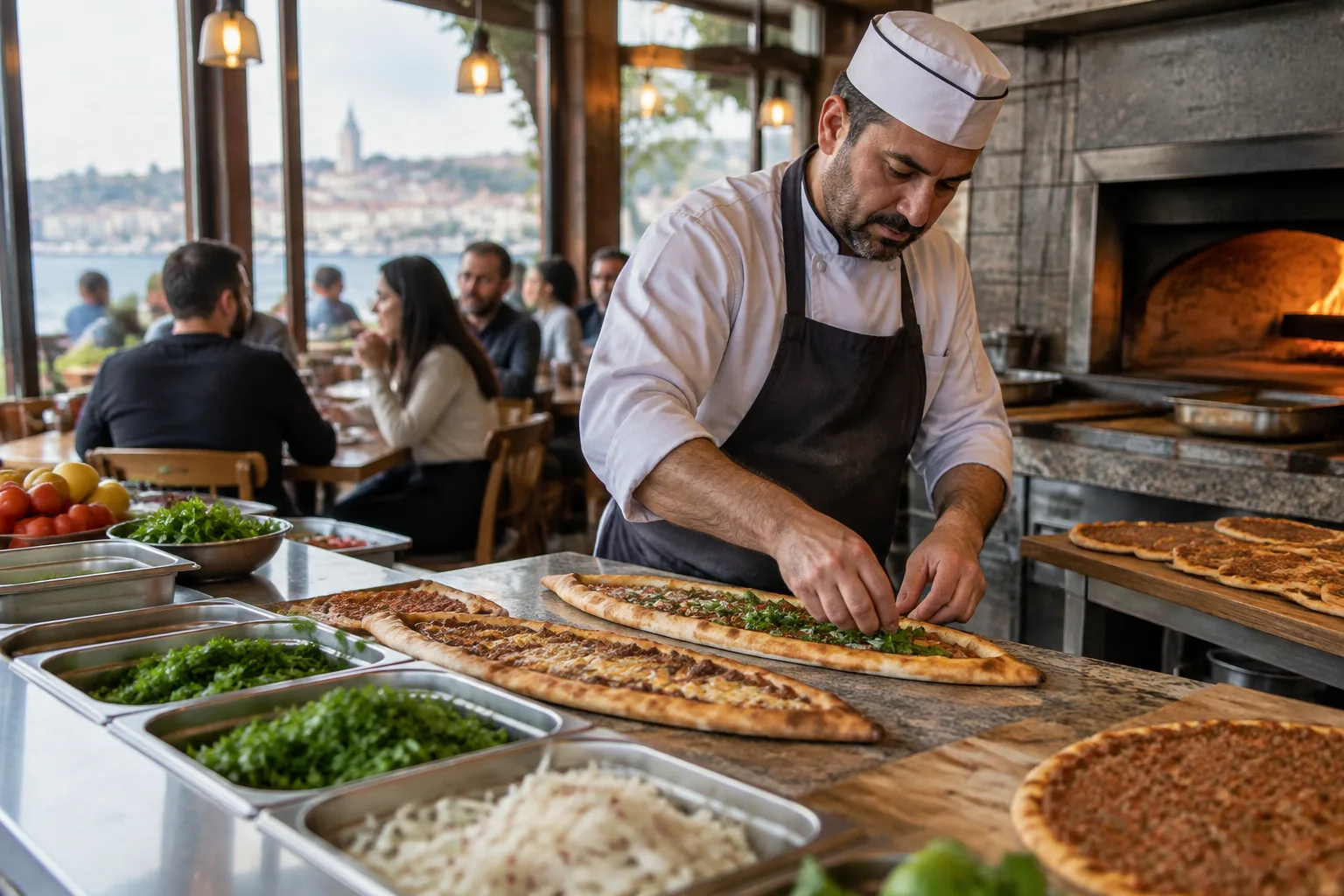
A study of fast-food preferences in Türkiye found that pide and lahmacun ranked ahead of döner kebabs and burgers in food orders. A Karar report dated 11 November 2026, covering research conducted by Twentify for Marketing Türkiye, also highlighted the scale reached by domestic restaurant chains. For those considering the Turkish franchise market, the picture illustrates how familiar local dishes are being taken into new cities through standardised operating models.
Pide and lahmacun lead consumer preferences
In Twentify’s fieldwork, based on a representative sample of 1,000 people, pide — Turkish flatbread with toppings — and lahmacun — thin flatbread topped with minced meat — emerged as the most frequently ordered fast-food options in Türkiye. In the ranking cited by the report, they came ahead of döner kebabs and burgers, demonstrating the strong position of traditional dishes in fast-food consumption.
This finding is an indicator of consumer preference. On its own, it does not explain any particular brand’s sales, revenue per restaurant or returns on a franchise investment. Equally, a product’s leading position in order rankings does not mean that every business serving it achieves the same commercial results.
The relevance to franchising goes beyond product preferences. According to the assessment reported by Karar, domestic brands are taking traditional street food from individual shops into multi-site operations. Standardised recipes, franchise networks, centralised procurement and delivery systems are all cited as part of this shift. The issue is therefore not just which dishes attract the most orders, but also how businesses organise themselves to meet that demand.
Pidem and Usta Dönerci stand out for their networks
According to the report, Pidem has grown to more than 300 restaurants in over 50 cities with its made-to-order pide concept. Its reach provides one example of how the product category highlighted by the research has developed into a chain restaurant format. The figures refer to the brand’s total restaurant network; they do not give a separate count of franchised outlets.
Usta Dönerci, which operates under TAB Gıda, has nearly 200 restaurants across Türkiye. The report discusses the brand’s growth alongside centralised procurement and operational discipline. Built around different products — pide and döner — these two networks offer concrete examples of local dishes being served across large numbers of outlets.
It is important here to distinguish restaurant numbers from the operating model. A chain’s total size does not mean that all its outlets are franchised. When assessing an investment, prospective investors need to examine the terms and scope of the model on offer, as well as the reach of the overall network. The reported figures help illustrate the brands’ geographical coverage and scale, but do not provide a basis for comparing financial performance at individual outlets.
Different products and scales across Turkish chains
Other examples in the report show that growth is not confined to pide and döner. Tavuk Dünyası has reached more than 340 branches across 59 provinces with its plated-meal concept combining chicken, pasta and fresh salad. It represents a restaurant model built around a complete meal rather than a single street-food dish.
Dürümle, founded in Ankara in 2018, reportedly has more than 200 branches across 35 provinces, serving kebab and chicken skewer wraps made to standardised recipes. Baydöner operates more than 110 restaurants in Türkiye and Iraq with a concept focused on İskender kebab, a dish of sliced döner served over bread with tomato sauce, yoghurt and butter. The fact that Baydöner’s total covers two countries should be taken into account when comparing the figures.
Doyuyo, which adapts crispy chicken to local tastes through distinctive sauces and coatings, is reported to have 88 branches. Its target for the end of 2026 is 100 restaurants. The figure of 100 should therefore be read as an announced growth target, not a total of outlets already opened.
Zula offers a smaller-scale example with an international dimension. Following six branches in Istanbul and one in Bodrum, its London location brought the brand to eight outlets. The report highlights its concept combining a chef-led approach with street food. These examples represent different products and expansion strategies, rather than networks of comparable size.
Franchise investment depends on execution as well as the product
Karar’s report identifies standardised recipes, centralised procurement, franchise networks and delivery systems as common factors behind the development of domestic chains. These are the operational tools used to serve familiar products consistently across different locations. Considering the research findings alongside the chains’ sizes underlines the importance of assessing product preferences and operating structures separately.
For those exploring franchising in Türkiye, the practical lesson is not to equate a popular product with a strong investment proposition. Pide and lahmacun’s leading position in orders may offer an initial indication of demand, but investment decisions also require scrutiny of supply terms, training support, adherence to recipes and the costs of the proposed location.
Practical takeaway: When speaking to brands, distinguish total restaurant numbers from franchised outlet numbers, and existing networks from future targets. Assess product demand, but base your decision on the specific terms of the operating model offered to you, rather than order rankings alone.
Sources
- UFRAD ve DAMU, 200’ü aşkın girişimciyi webinarda buluşturdu
- ÜÇAY Mühendislik, ÜÇAY360 franchise sistemini başlattı
- Özsüt’ün franchise şirketi konkordato istedi - Ekometre
- Tatlı ve pastacılık sektörünün köklü şirketi konkordato talep etti
- Türkiye'nin 88 Yıllık Tatlı Devi Özsüt'e Konkordato Şoku
- Küresel fast food markaları şaşkına döndü: Türkiye kendi öz mutfağıyla sokakları geri aldı
- BİM Dost Finansal Teknolojiler’i Kurdu: Perakende Zinciri Neden Ayrı Bir Teknoloji Şirketi Açıyor?