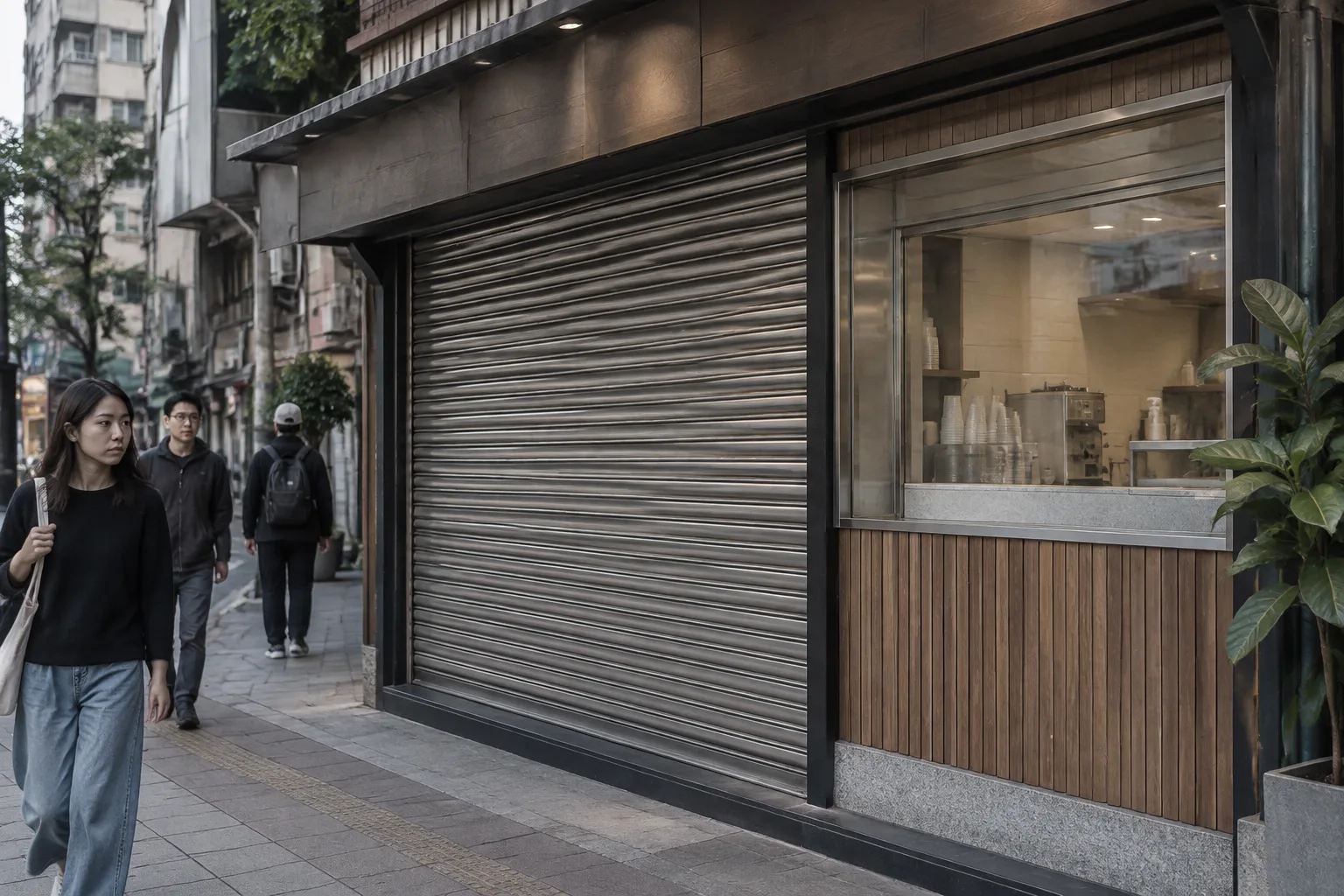
Zha Qi Lai down to one Taichung franchise as Chang Wen-chi cites rising ingredient and logistics costs
Chang Wen-chi has confirmed that Taiwanese fried chicken brand Zha Qi Lai has just one franchise outlet remaining, in Taichung, with its agreement renewed for a year. She says rising ingredient and logistics costs have squeezed profits, and smaller shops remain a possible next step.
Published
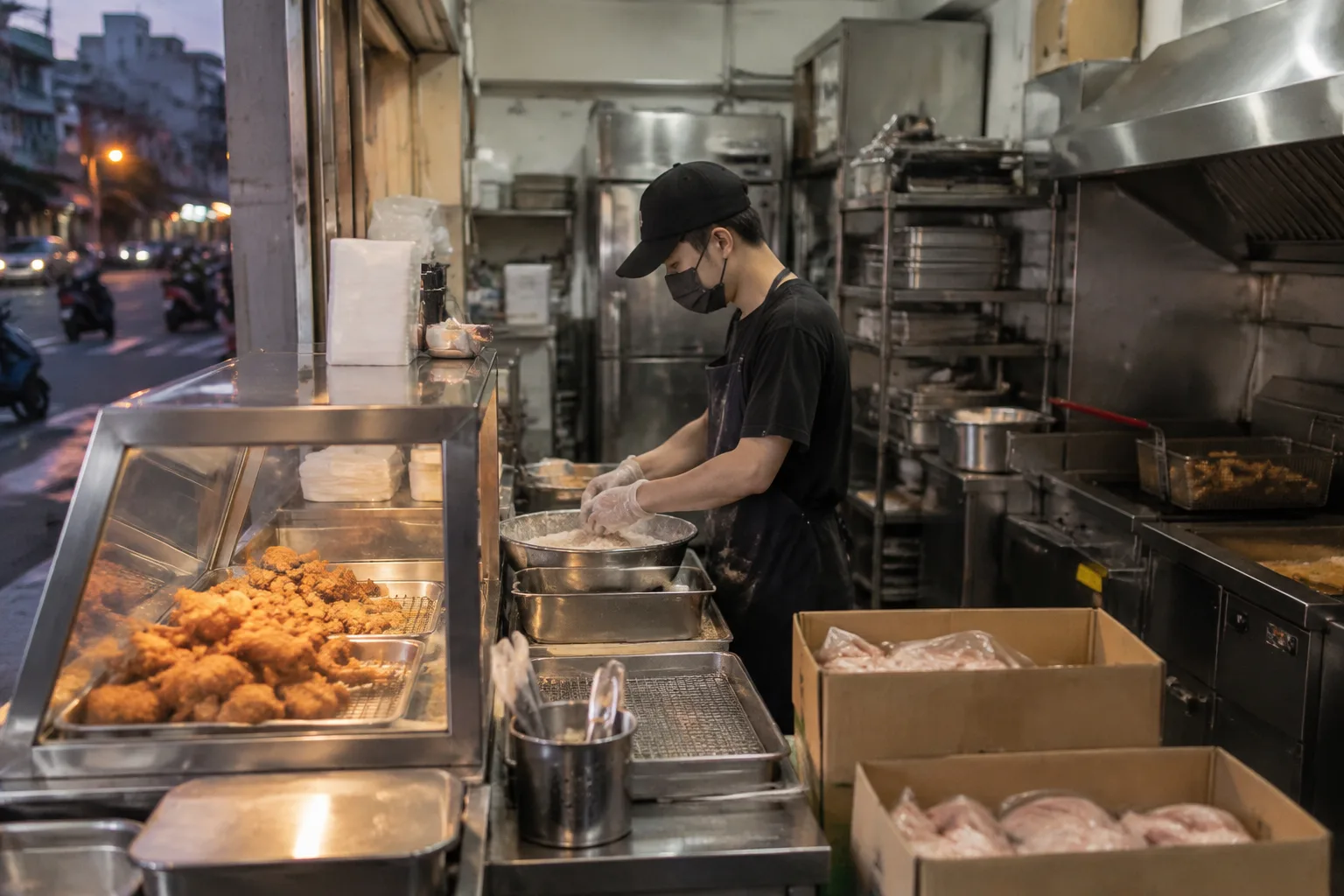
Zha Qi Lai, the Taiwanese fried chicken brand run by entertainer Chang Wen-chi, has scaled back its store network. According to summaries of related Yahoo News coverage, she confirmed at an event that the brand now has just one franchise outlet left in Taiwan, in Taichung, and that its agreement has been renewed for a year. She cited steadily rising ingredient and delivery costs as the main reasons for the contraction.
Taichung franchise retained with a one-year renewal
The reports describe the brand’s network as having shrunk from nine outlets to one. Chang confirmed that the Taichung franchise remains in operation and outlined the renewal arrangement, indicating that the brand is maintaining a franchise partnership rather than closing its entire store network.
For those considering franchising in Taiwan, a decline in outlet numbers is not the same as the termination of franchise agreements. The existing outlet’s one-year renewal is a concrete operational development in this news; the reduction in stores alone does not mean that all franchise relationships have ended.
Ingredient and delivery costs squeeze profits
Chang attributed the downsizing to continually rising ingredient and logistics costs, which have put pressure on profits. She said that simply breaking even without making a loss was already a blessing. This describes the operator’s experience of trading pressures and should not be taken to mean that every outlet had the same financial performance.
The case also highlights an area for prospective franchisees to scrutinise. When assessing a fried food outlet, ingredient deliveries should be included in financial projections alongside rent, staffing and equipment. The franchisor’s supply prices, order quantities and delivery charges are all terms worth checking individually before signing, rather than comparing franchise fees alone.
Smaller shops remain a future option
Chang said she would not rule out a shift towards smaller premises to lower the barriers to becoming a franchisee. This remains a possible direction, not confirmation that the brand has launched a new small-format franchise package. Nor does it establish a specific reduction in start-up costs.
After four years of running the business, she has decided to focus on her entertainment career for now. Anyone interested in approaching the brand should distinguish between her career plans, the existing outlet’s renewal and ideas for future shop formats, rather than treating a proposed change as an established franchise offer.
Franchise assessments must focus on day-to-day finances
The significance of Zha Qi Lai’s contraction goes beyond a celebrity brand reducing its store count: it shows how ingredient and delivery expenses can affect ongoing viability. Even if the brand adopts smaller shops in future, prospective operators will still need to recalculate whether sales can cover day-to-day costs. A lower entry cost should not be equated with better returns.
Practical tip: before committing to a franchise, ask the franchisor to set out its supply, logistics, renewal and termination terms in writing. Then model cash flow under rising-cost scenarios before deciding whether to invest.