Taiwan’s franchise sector flags delivery commission pressures as Ku Shang-chun calls for competition and digital support
Ku Shang-chun, deputy secretary-general of the Taiwan Chain and Franchise Promotion Association, says some food businesses report delivery platform commissions of 35% to 40%. He calls for continued market competition and stronger support for digital marketing and overseas expansion.
Published
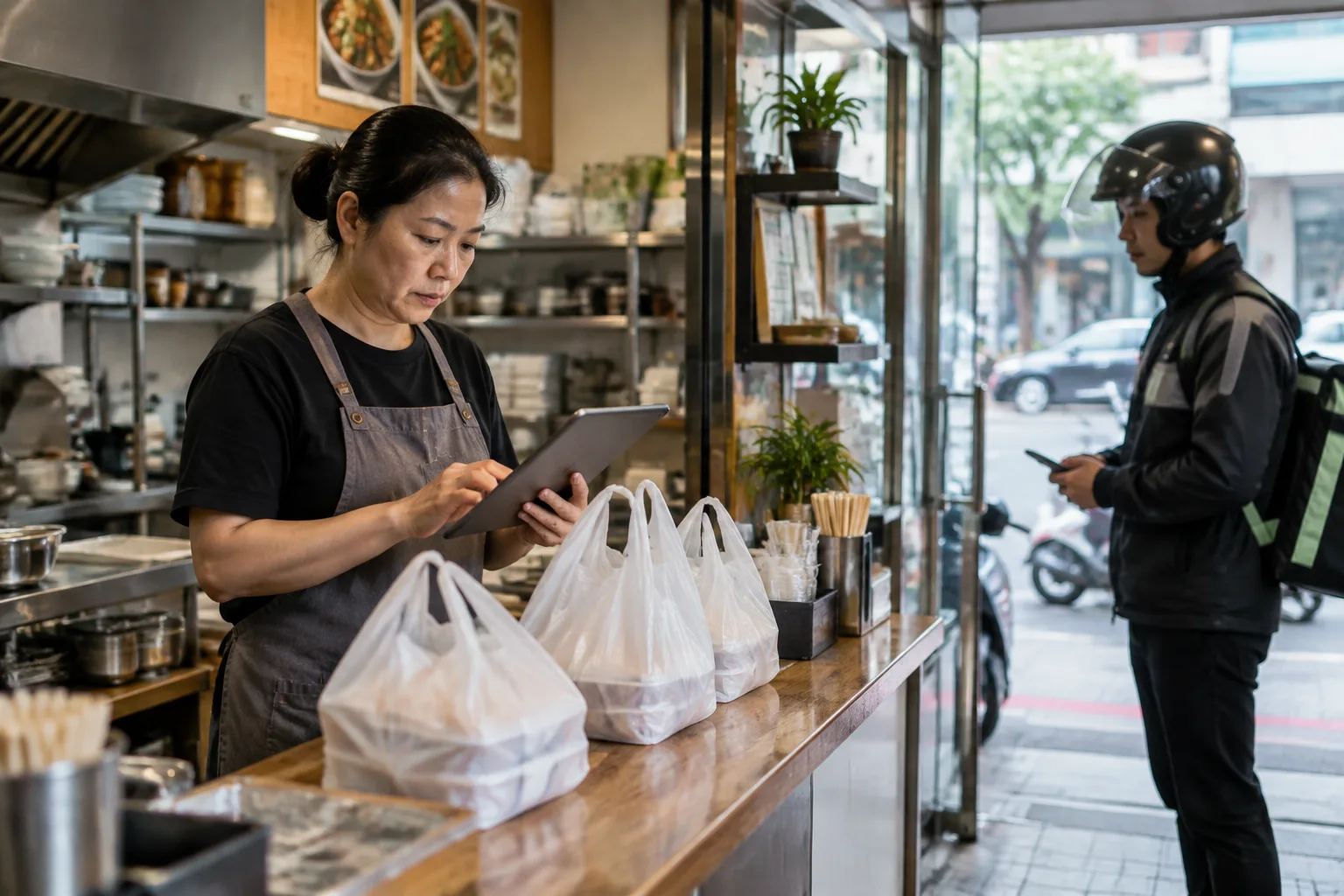
Beyond bringing in orders, can delivery platforms provide more sustainable business support for franchised food outlets? According to a report in the Liberty Times on 29 September 2026, Ku Shang-chun, deputy secretary-general of the Taiwan Chain and Franchise Promotion Association, raised concerns about platform concentration, commission costs and international brand expansion at a forum that day. His remarks reflect the franchise sector’s expectations for the next stage of delivery services.
Businesses report commissions of 35% to 40%
The Liberty Times hosted a forum that day on the development and resilience of delivery services, bringing together business representatives, government bodies and academics to discuss platform competition, innovation and the development of Taiwan’s digital economy.
Ku said the delivery market was becoming increasingly concentrated, while businesses faced growing pressure from commission charges. He noted that many businesses reported platform commission rates reaching 35%, or even 40%, placing a heavy burden on food service operators.
These figures reflect business feedback cited by Ku. They are not market-wide average commission rates verified by the report, nor do they mean that every franchised outlet operates under the same terms. Prospective franchisees assessing delivery partnerships should check individual contracts and fee structures rather than use a single percentage to estimate costs across all outlets.
Market concentration concerns extend beyond restaurant costs
Ku warned that if one platform came to dominate the market, the outcome might not be ‘one winner and three losers’, but a situation in which ‘everyone loses’. In his assessment, platforms, food businesses, consumers and delivery couriers could all face tougher conditions, with consequences for the wider delivery ecosystem.
This was an assessment of potential market risks, not a claim that such a situation had already emerged. He said businesses wanted stronger market competition and hoped that more innovative technologies would give delivery services fresh impetus.
For the franchise sector, the discussion shifts the focus from individual outlets’ commission bills to how platform competition shapes the wider operating environment.
Platforms expected to offer more than delivery
Alongside competition concerns, Ku highlighted the digital transformation needs of small and medium-sized enterprises (SMEs). He argued that SMEs, chain operators and retailers all needed stronger digital support.
He hoped platforms would go beyond delivery services to support digital marketing and help Taiwanese brands enter global markets. Under this vision, their role would extend beyond matching orders and arranging deliveries to helping brands reach customers and expand into new markets.
However, the report did not identify any specific support programmes that platforms had committed to launching. Franchisees should therefore understand these points as the sector’s aspirations, rather than guarantees of services currently available.
Domestic demand challenges prompt a rethink on overseas expansion
Ku said Taiwan’s food service market had reached maturity and was intensely competitive. Although the market was still growing overall, domestic demand faced numerous challenges in 2026. Over the longer term, the low birth rate also raised questions about whether brands could rely solely on local demand to support their growth.
He said businesses hoped that platforms with sufficient scale, international connections and adequate funding could help Taiwanese companies and brands expand overseas, acting as a ‘digital bridge’ for SMEs entering international markets.
In practice, franchisees assessing platform partnerships should first verify commission rates and other charges, then separately ask whether marketing tools and overseas expansion support are already available and what eligibility conditions apply. Comparing current costs separately from future promises provides a firmer basis for a considered decision.