Jujia Zhengliaoshi reports fourfold rise in franchise expressions of interest, targets 100 locations by 2027
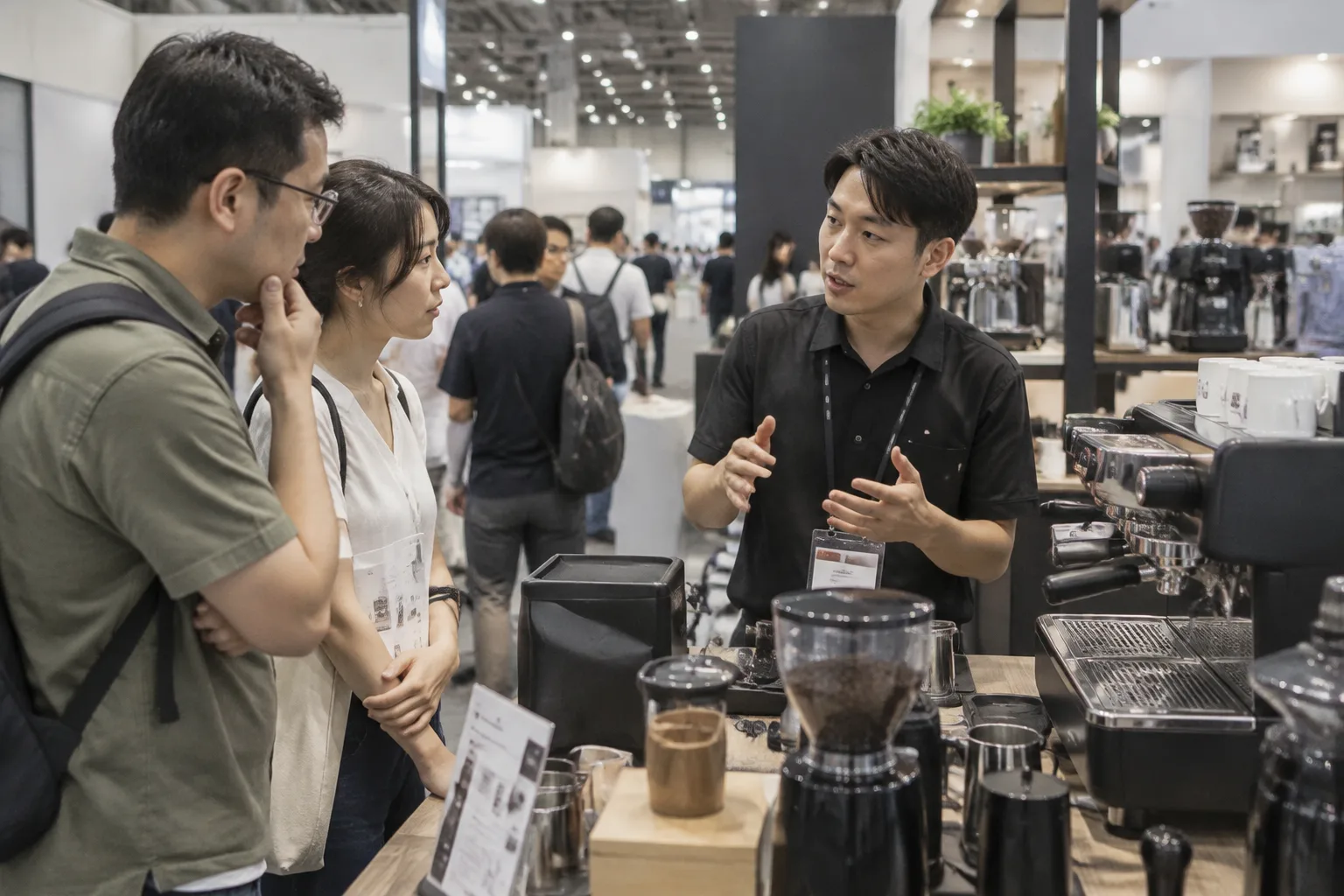
Taiwanese home-organising brand Jujia Zhengliaoshi says franchise letters of intent signed at the 2026 Taiwan International Chain and Franchise Exhibition reached four times the previous total. It aims for 100 franchise locations by 2027, offering an in-home service model built around professional training rather than retail premises.
Published

Taiwanese home-organising and decluttering brand Jujia Zhengliaoshi (居家整聊室) says the number of franchise letters of intent signed at the 2026 Taiwan International Chain and Franchise Exhibition was four times that recorded at its previous appearance. Founder Cheng Po-yuan said the brand aims to reach 100 franchise locations by 2027, using professional training and local service territories to expand its network. The model offers prospective franchisees in Taiwan an alternative to running a shop-based business.
More expressions of interest, but operational growth remains to be seen
According to a 30 October report by health news website Liangyi Health, Cheng said the most noticeable change at this exhibition was that more prospective business owners understood that home organising could operate as a franchise. The brand reported increases in both enquiries and signed franchise letters of intent.
However, a letter of intent indicates preliminary interest in working together; it is not the same as a formal franchise agreement or an operating location. The brand disclosed the increase relative to its previous exhibition appearance, but did not provide the total number signed. The figure of 100 locations is also an expansion target for the following year, rather than the size of its existing network.
A premises-free model supported by training
Jujia Zhengliaoshi promotes a model requiring no shop premises, fit-out or stockholding, with in-home services and professional training at its core. Cheng said the approach is intended to reduce the fixed overheads borne by new business owners and lower the barrier to entry.
The brand aims to turn home organising from individual freelance work into a sustainable business through structured training and local service provision. Prospective franchisees should therefore look beyond rent and fit-out costs to assess the training offered, the scope of services and the practical working arrangements. Operating without a shop does not mean operating without costs: contract terms and fees still need to be examined individually.
Home safety for older people draws attention to organising services
The report linked demand for home organising to Taiwan’s transition to a super-aged society. Taiwan’s Health Promotion Administration, part of the Ministry of Health and Welfare, notes that, on average, one in six older people has experienced a fall within a year. It advises keeping routes through the home clear and tidying away clutter and cables to reduce fall risks.
This advice broadens the discussion of organising services beyond appearance to everyday safety at home. However, statistics on falls among older people are not evidence of the effectiveness of the brand’s services. When explaining their offering, franchisees should distinguish clearly between organising work and health protection, rather than turning the reasons for potential demand into promises of results.
Partnerships with housing-related services offer a route to expansion
The brand’s exhibition appearance also received support from members of BNI’s Hua Real Estate chapter. Its president, property expert Chiu Ai-li, attended and highlighted the close links between Jujia Zhengliaoshi’s work and removals, preparing and organising homes, renovation, rental management and services for residents after moving in. She expressed hope that professionals in these fields could support one another through collaboration.
For the franchise sector, the significance of this announcement lies both in the rise in exhibition interest and in an in-home organising brand’s attempt to build a network of local service providers. In practical terms, prospective franchisees should first verify the training, service territories, customer acquisition support and full costs, then assess whether the work fits their available time and capabilities. The increase in letters of intent should not be treated as a guarantee of income.