Franchising in the Philippines: What Happens to Unsold Stock?
Before buying a franchise, clarify who bears the cost of surplus stock, when returns are allowed and how you can recover its value.
Published
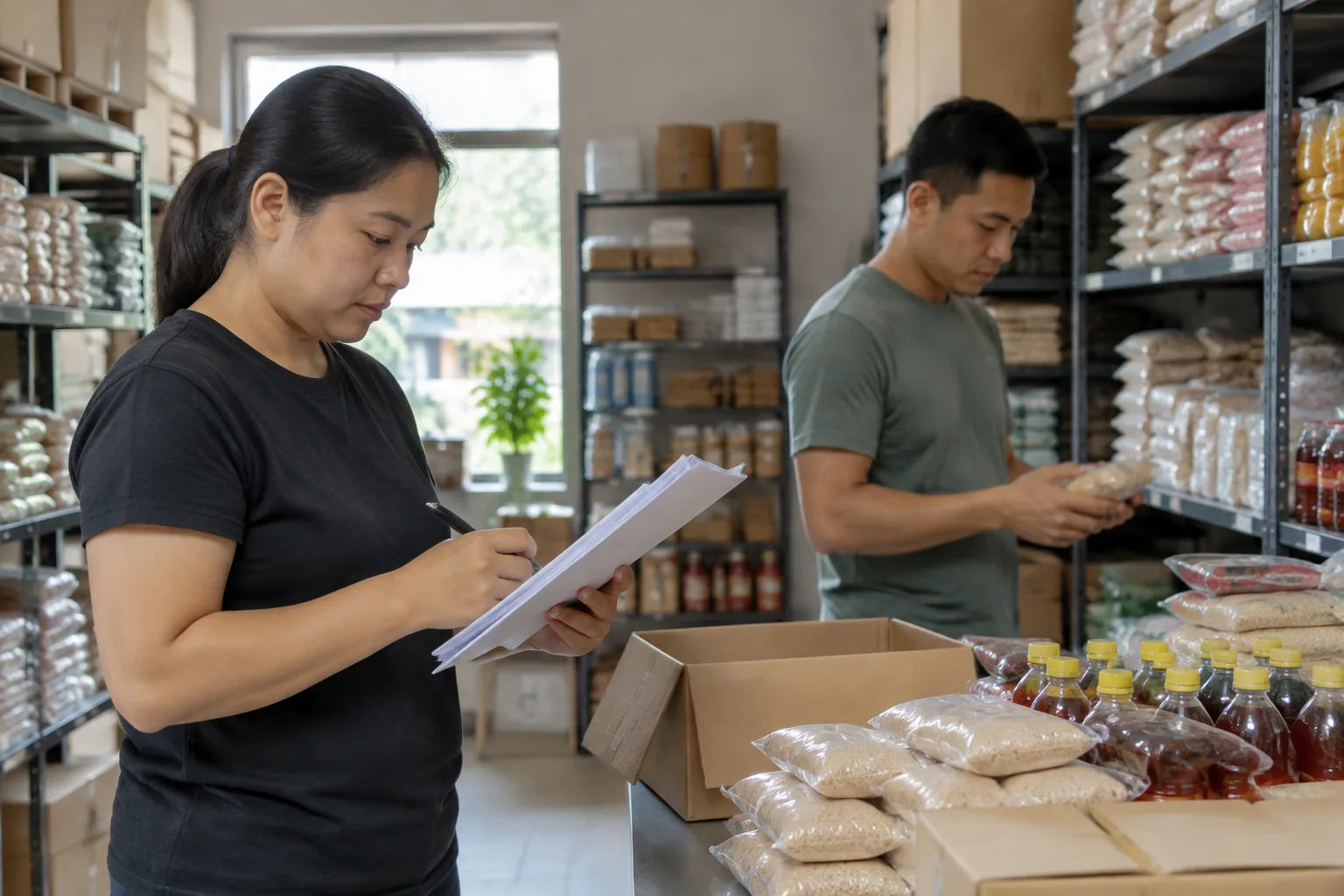
Not all stock delivered to an outlet will sell. Some products expire, packaging becomes dated, or stock is left over after a promotion. Before buying a franchise in the Philippines, check who bears these losses during the running of the business. Clear responsibility for stock matters just as much as projected sales.
1. Find out when the risk passes to you
First, clarify whether you are buying the stock outright or receiving it on consignment, with agreed arrangements for returning what remains unsold. Do not assume you can return anything that fails to sell simply because it came from the franchise brand.
Ask for the terms covering initial stock and subsequent purchases. The risks differ depending on whether you decide the quantities or must accept compulsory stock packages for a new outlet, seasonal products or nationwide promotions.
Ask before signing:
- Who sets the quantities of stock you must accept?
- Can you refuse additional deliveries you have not approved?
- When does responsibility for damage or loss pass to you?
- Is there a minimum remaining shelf life for products on arrival?
- Who bears the cost if the brand suddenly discontinues a product?
Distinguish slow-selling stock from defective goods. A product in good condition that does not sell is a different matter from one that arrives damaged or fails to meet the agreed quality standards. It should be clear which rules apply in each situation.
2. Make any promise to accept returns specific
“We help with surplus stock” is not a clearly defined obligation. It may mean nothing more than offering advice, finding another outlet willing to buy it, or allowing you to reduce prices. None of these amounts to a guarantee that you will get your money back.
If returns or buy-backs are available, ask for the following in writing:
- Eligible stock: Which products are covered, and must the packaging be unopened?
- Deadlines: When must you submit a request, and when must the products be dispatched?
- Valuation basis: Will you receive the original purchase price, a lower amount, or an amount reduced by handling charges?
- Form of reimbursement: Will you receive cash, replacement stock or credit against a future invoice only?
- Costs and approval: Who pays for transport, checks the condition of the goods and decides whether to approve the request?
It also matters who is actually obliged to accept the return: the franchisor or a separate supplier. A promise from one party is not enough if another company must act but is not bound by the agreement.
3. Test the policy against realistic scenarios
Before paying, ask for the process to be explained using plausible examples. What happens if a promotion ends while you still have large quantities of specially packaged stock? What if a product changes and you are no longer allowed to sell the old version? What if a delivery arrives with less remaining shelf life than agreed?
For each scenario, identify the documents required, the deadline for submitting a claim and the expected reimbursement date. Ask for a sample returns record and an explanation of how the amount you receive will be calculated.
Then make your own estimate:
Unrecoverable cost = value of remaining stock + return or disposal costs − amount actually recovered.
If you receive only credit against a future invoice, that is not cash you can immediately use to pay rent or wages. If the proposed solution is to transfer stock to another outlet, establish whether anyone is obliged to accept it or whether you must find a willing buyer yourself.
Speak to existing franchisees about how the process works in practice. Use their experience to develop questions, not as a substitute for written rights.
4. Link your protection to the law and the contract
The Philippines has no single comprehensive law covering all aspects of commercial franchising. However, Executive Order No. 169, series of 2022, sets minimum content requirements and requires registration with the Department of Trade and Industry (DTI) for covered franchise agreements involving micro, small and medium-sized enterprises. It should not be treated as an automatic guarantee that all unsold stock will be bought back.
The Civil Code also governs obligations and contracts. Under Article 1306, parties may set contractual terms provided they do not conflict with the law, morals, good customs, public order or public policy.
Have a lawyer review how the franchise agreement, purchasing terms and returns policy fit together. Clarify which takes precedence if the documents conflict, and do not leave recovery of your money dependent on verbal approval alone.
Practical takeaway: Before buying, make sure you know which stock can be returned, how much you can recover, who will pay and when. If there is no firm commitment to reimburse you or buy stock back, factor in the possibility that you will bear the full cost.
Sources
- Pag-aalis ng Tatak Kapag Nagtapos ang Prangkisa
- Prangkisa sa Pilipinas: Bagay ba sa Iyo ang Pamamahala?
- Mga Permit Bago Magbukas ng Sangay ng Prangkisa
- QFA: Linawin ang sapilitang pagbili ng suplay sa prangkisa
- Prangkisa sa Pilipinas: Paano Aayusin ang Alitan?
- Prangkisa sa Pilipinas: Suriin ang Eksklusibong Teritoryo
- Suplay sa Prangkisa: Mga Patakaran Bago Mag-alok
- Prangkisa sa Pilipinas: Suriin ang Rehistro ng Tatak