Franchising in the Philippines: The Cost of De-branding
Before buying a franchise, clarify the costs, deadlines and responsibilities for removing the branding when the agreement ends.
Published
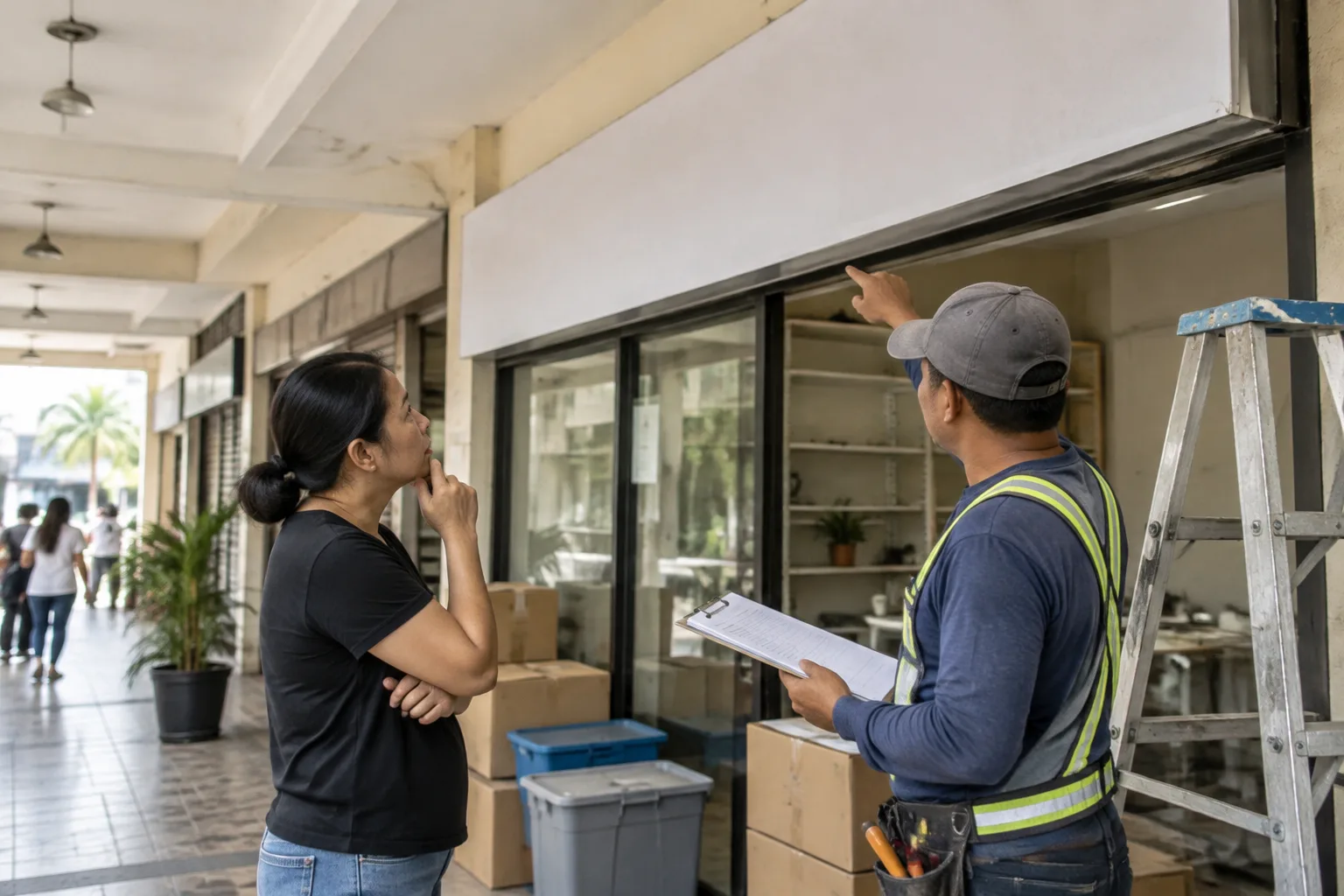
Before buying a franchise, most prospective owners calculate the cost of opening. But you also need to know how much it will cost to remove the branding when the agreement ends. In franchising, a well-managed exit matters: it prevents customer confusion and ensures the former franchisee is not left with obligations they have not planned for. Review these terms while you can still negotiate, rather than waiting until the outlet is about to close.
1. Identify what must be removed and when
It may not just be signage that needs to go. Requirements may cover colours and décor distinctly associated with the brand, uniforms, packaging, printed materials and online branding. Ask for a written list of everything that must be removed, returned, covered up or destroyed.
Distinguish between the deadline for stopping use of the brand and the time allowed for physically removing it. For example, you may have to stop trading as an authorised outlet immediately, while taking down the signage may still require the landlord’s permission. Waiting for a contractor does not mean you can continue using the brand.
Ask before signing:
- Is the process the same when the agreement expires and when it is terminated early?
- Who will issue the final instructions and check compliance?
- What happens if work is delayed by the need for building approval?
- Is there a written procedure for requesting an extension?
Ask for a realistic timetable and clear completion criteria, rather than simply an instruction to remove everything “immediately”.
2. Understand the law and the limits of permission
The Philippines has no single comprehensive law covering all aspects of commercial franchising. However, specific rules do apply. Executive Order No. 169, series of 2022, sets minimum content requirements and requires registration with the Department of Trade and Industry (DTI) for covered franchise agreements involving micro, small and medium-sized enterprises as franchisees.
The Civil Code also governs contractual obligations. Under Article 1306, the parties may agree terms provided these do not conflict with the law, morals, good customs, public order or public policy.
Republic Act No. 8293, or the Intellectual Property Code, is relevant to trademark licensing and protection. Buying signage, uniforms or packaging does not automatically give you continuing permission to use the brand once the licence has ended.
Have a lawyer review the obligations that survive termination. Do not assume that registration of the agreement guarantees that every removal charge is fair. A buy-back of remaining stock and extra time for de-branding are terms to clarify, not automatic rights.
3. Calculate the full cost of de-branding
Prepare a separate exit budget. Ask prospective contractors for preliminary estimates for removing the branding and restoring the premises. A quote covering only the removal of the main sign is not enough.
Include the following in your budget:
- Labour, removal and safe disposal of materials.
- Repairs to walls, ceilings or the shopfront damaged during removal.
- Replacement of branded items if another business will continue operating.
- Return of manuals and materials supplied on loan.
- Inspection or de-branding charges expressly set out in the agreement.
Clarify whether you can choose a qualified contractor or must use one appointed by the franchisor. If the franchisor will arrange the work and charge you, ask how costs will be approved and what evidence of actual expenditure will be provided. Have any separate penalties reviewed as well; these are not the same as payment for the work itself.
4. Make arrangements for remaining stock and evidence of compliance
Before buying, establish what will happen to unsold branded products. Can they be returned, bought back or transferred to an authorised outlet? If a buy-back is available, specify the required condition of the products, the valuation method, delivery costs and the payment deadline.
Do not rely on a promise that “we’ll sort it out when it happens”. Without agreed permission, do not assume you can sell off remaining stock under the former brand after the contract ends.
Also cover the closure or updating of the outlet’s online pages and listings. Identify who has access to make changes and how any claim that the outlet remains authorised will be removed.
When the agreement ends, keep photographs, receipts and proof of returned items. Ask for written acknowledgement that de-branding has been completed, together with a list of any outstanding work. This does not automatically release you from other debts, but it can help prevent disputes over compliance.
Practical takeaway: Before paying, make sure there is a clear de-branding checklist, timetable and budget. A sound exit plan is part of buying a franchise with due care.
Sources
- Suplay sa Prangkisa: Mga Patakaran Bago Mag-alok
- Prangkisa sa Pilipinas: Suriin ang Sapilitang Tagapagtustos
- Prangkisa sa Pilipinas: Maaari Mo Bang Ibenta ang Negosyo?
- Pag-aalis ng Tatak Kapag Nagtapos ang Prangkisa
- Prangkisa sa Pilipinas: Bagay ba sa Iyo ang Pamamahala?
- Legal Landscapes: Philippines- Franchise & Licensing
- Prangkisa sa Pilipinas: Suriin ang Pangakong Kita
- What you need to know before buying franchise in a legal ...