Rocket Chicken Surpasses 1,450 Outlets Across 90 Indonesian Cities
Rocket Chicken has grown from a single outlet in Semarang to more than 1,450 locations. BCA supports its transactions, financing and management development.
Published
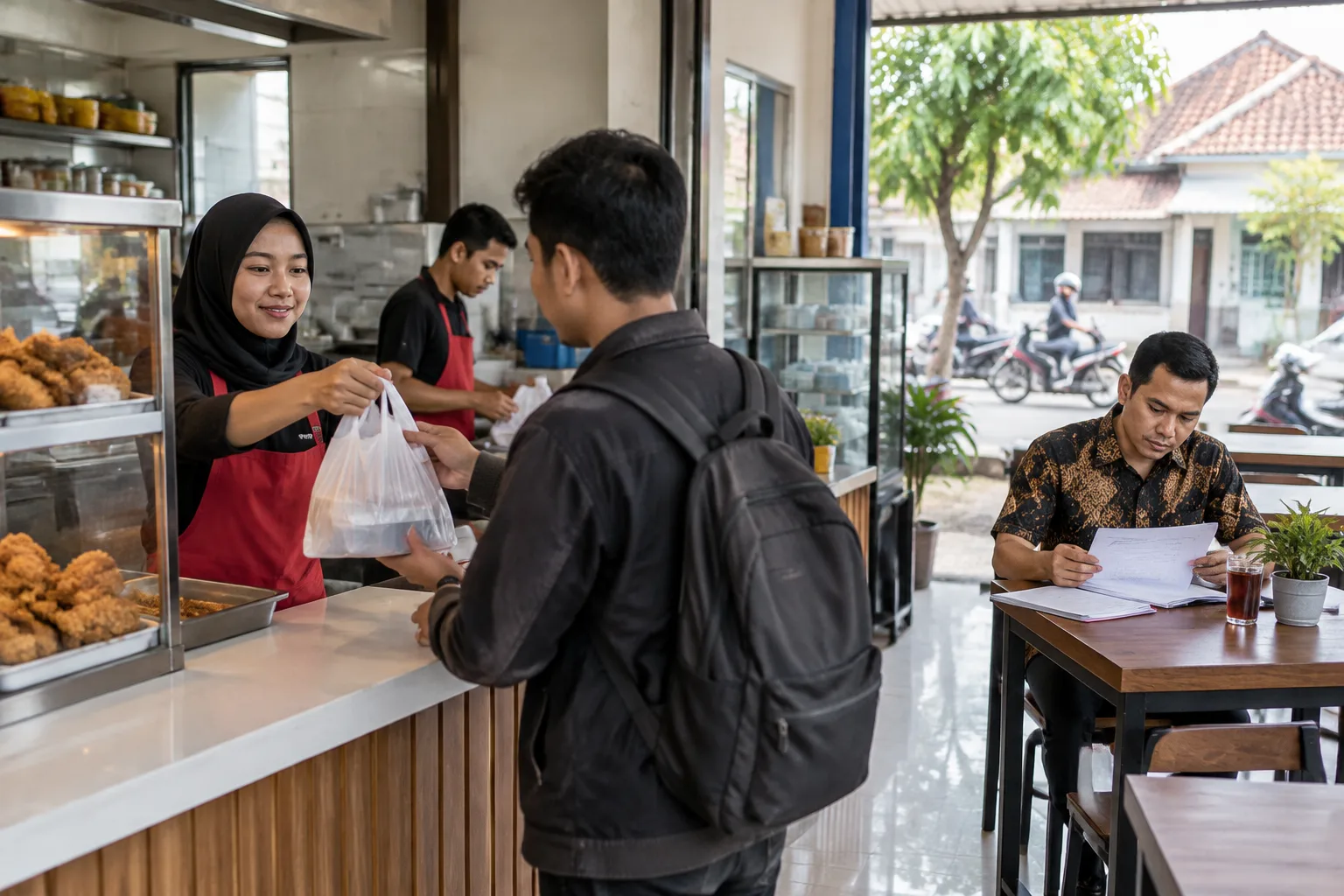
Rocket Chicken has grown into a fast-food chain with more than 1,450 outlets across 90 Indonesian cities. The milestone was reported in a BCA press release datelined Yogyakarta, 6 November 2026, which outlined the brand’s development and the banking support provided for its transactions, financing and operational management.
Starting with a Single Outlet in Semarang
Rocket Chicken’s owner and CEO, Nurul Atik, said the business was established in February 2010. Its first outlet opened in Semarang, Central Java, with a fried chicken business built around affordable prices and a franchise model.
From that starting point, Rocket Chicken expanded to more than 1,450 outlets across 90 cities. This figure reflects the reported size of the network in November 2026, rather than the number of new outlets opened during the year.
For Indonesia’s franchise sector, Rocket Chicken’s story illustrates how a local food brand can grow from a single location. Affordable pricing and the use of franchising were both part of the business journey Atik described in BCA’s publication.
However, the network figures need to be understood in context. A total of more than 1,450 outlets does not, in itself, reveal how many are franchisee-owned and how many are company-operated. Network reach is also distinct from the profitability of individual outlets, and the two should not be treated as equivalent when assessing a franchise opportunity.
Banking Support for Business Needs
Rocket Chicken’s relationship with BCA began to develop once the business was generating revenue. According to Atik, the company then began using BCA’s services to support its business needs.
The support described covers transactions, financing and operational management. Atik also said BCA had provided financing facilities to support Rocket Chicken’s expansion. The relationship therefore extends beyond transaction services to include business development needs.
This information positions banking services as one of the factors supporting the company’s progress. Its growth from a single outlet into a multi-city network should still be understood as the development of Rocket Chicken’s business, rather than the result of any single banking facility.
For business owners in the franchise sector, there is an important distinction between financing a company’s expansion and financing prospective franchisees. Details of the facilities used by Rocket Chicken should not be interpreted as a credit offer automatically available to every prospective franchisee. Each party’s financing needs and terms must be checked separately before being used as the basis for an investment plan.
Training as Part of the Support
Alongside financing facilities, Atik said training from BCA had helped broaden the knowledge of Rocket Chicken’s management team. This indicates support for management development as well as financial services.
This aspect is worth noting because discussions about franchise network growth often focus on outlet numbers. In the account presented by Rocket Chicken, the company’s needs also encompass operational management and the knowledge of the team responsible for running the business.
The training mentioned was provided for Rocket Chicken’s management team. This is distinct from training programmes for franchisees or outlet staff. Prospective franchisees should not assume these are the same service without obtaining a direct explanation of the support covered by the franchise agreement.
When assessing a franchise offer, management support can be explored through specific questions: who receives training, what does it cover, and how does ongoing support work after an outlet opens? These are due diligence questions for prospective franchisees, not details of a programme announced by Rocket Chicken in this publication.
Treating Network Scale as a Starting Point
The milestone of more than 1,450 outlets across 90 cities gives an indication of Rocket Chicken’s reach. For prospective franchisees, however, network size should be a starting point for understanding the brand, rather than the sole basis for a business decision.
Further checks can focus on capital requirements, operating costs, the allocation of responsibilities and the suitability of a location. Transaction services and financing support at company level also need to be distinguished from facilities actually included in the franchise package.
Rocket Chicken’s journey shows that network expansion involves both financial needs and management capabilities. Both deserve attention alongside outlet numbers when the franchise sector discusses the growth of local brands.
Practical step: before committing to a franchise, request written details of the investment required and the operational support provided, then confirm that any financing facilities offered are available to prospective franchisees.
Sources
- Kementerian UMKM Ajak Mitra Waralaba Manfaatkan KUR
- Astra Otoparts Rencanakan 30 Gerai Ritel Baru pada 2027
- IFBC BSD 2026 Hadirkan Tiga Klinik Bisnis Gratis
- Kemendag Gelar Sosialisasi Permendag 71/2019 | Kementerian Perdagangan Republik Indonesia
- Dari Gerai Tunggal Menjadi 1.450 Cabang di 90 Kota: Perjalanan Rocket Chicken Membangun Ekosistem Kuliner Bersama BCA
- Pertemuan Kemendag dengan INACHAM Hong Kong | Kementerian Perdagangan Republik Indonesia