Momoyo Targets Tier 2 and 3 Cities as Indonesian Network Exceeds 1,800 Outlets
Momoyo is targeting tier 2 and 3 cities after its Indonesian network surpassed 1,800 outlets, with site assessments guiding further expansion.
Published
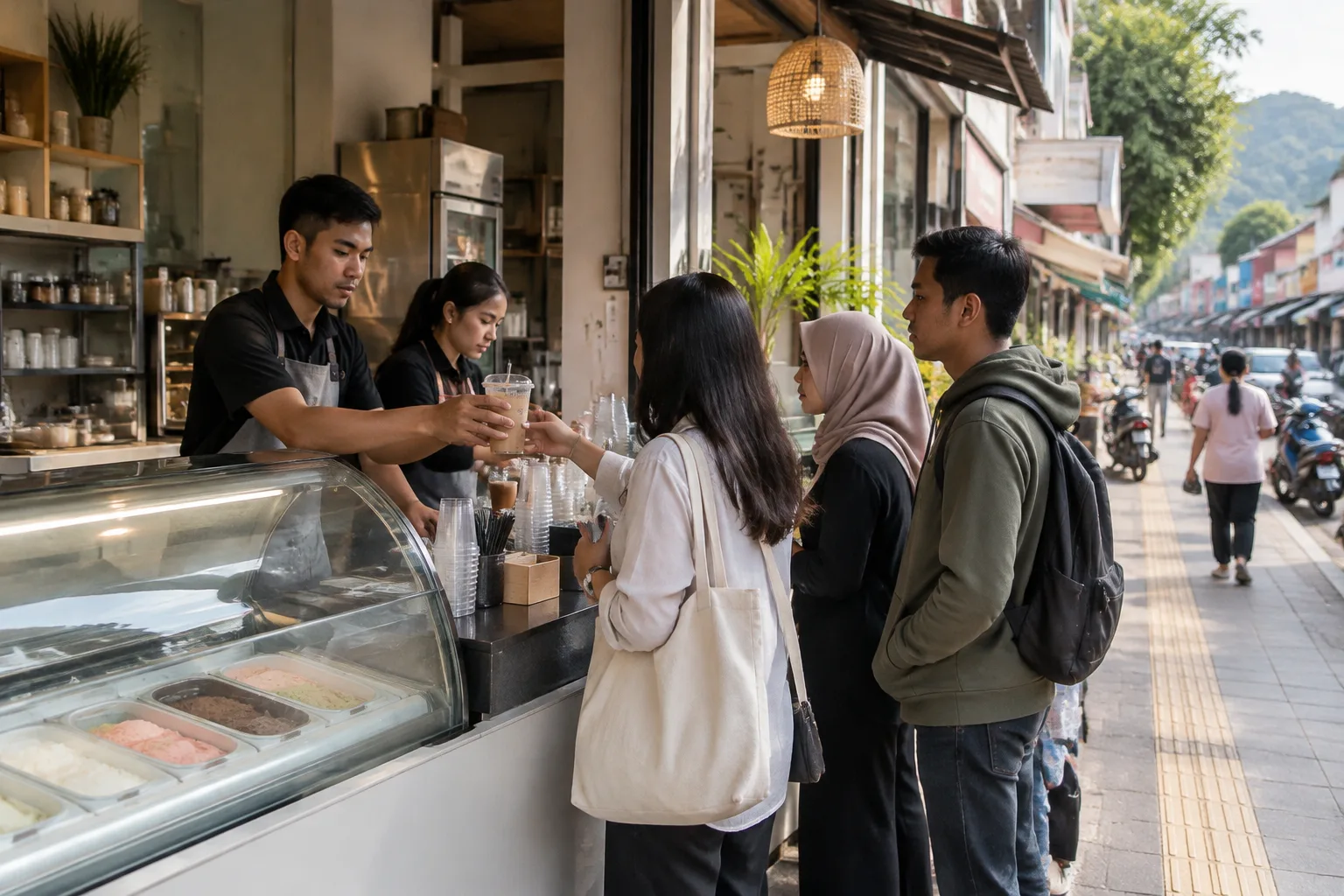
Momoyo plans to expand into second- and third-tier cities after its outlet count in Indonesia surpassed 1,800. The plans make markets beyond the major cities the next focus for the ice cream and drinks brand operated by PT Junyi Jaya Indonesia.
Indonesia accounts for a substantial share of the global business
According to a FORTUNE Indonesia report dated 10 November 2026, Momoyo has grown to more than 2,800 outlets worldwide since its establishment in February 2023. More than 1,800 of these are in Indonesia, highlighting the Indonesian network’s importance to the brand’s growth.
The company reports adding more than 600 outlets a year in Indonesia. Its network reportedly spans 38 provinces, 98 cities and 416 regencies, the latter being a type of local administrative area in Indonesia. This footprint provides the backdrop for its next phase of expansion, which will target second- and third-tier cities, also known as tier 2 and tier 3 cities.
The global and Indonesian outlet counts should be understood as two separate measures. The figure of more than 2,800 covers the entire international network, while the figure of more than 1,800 represents the brand’s presence in Indonesia. Neither implies that all outlets operate in similar markets or achieve the same sales results.
For the franchise sector, Momoyo’s growth offers an example of a relatively new brand expanding its network. However, network size indicates the scale of a business; it is not, on its own, a measure of whether opening another outlet is viable.
Expansion focuses on second- and third-tier cities
Momoyo says it will continue expanding into tier 2 and tier 3 cities, guided by site assessments. Its stated growth strategy therefore concerns not only increasing outlet numbers, but also choosing locations that extend its sales reach.
Its existing network covers areas including Garut, Banyumas, Jember, Ketapang, Berau and Wakatobi. These places illustrate Momoyo’s geographical reach across Indonesia. They are examples of markets the brand already serves, not a list of newly announced opening locations.
This distinction matters: the expansion plans should not be taken as confirmation that outlets will open in particular locations. What the company has outlined is a direction of growth towards second- and third-tier cities, with site assessments forming part of the process.
For prospective partners, this expansion strategy can provide a starting point for discussions about areas the company is still considering. The practical questions are not simply whether a city is a target for expansion, but also how a site’s suitability is assessed and how existing outlets are taken into account.
Nationwide sales reach around 7.1 million cups a month
Alongside its outlet figures, Momoyo reports monthly sales of around 7.1 million cups of ice cream and drinks across its Indonesian network. This is the combined sales volume of the national network, not the sales of an individual outlet or a forecast for new partners.
The figure gives an indication of the volume of products sold by Momoyo’s Indonesian network. However, sales volume measured in cups is distinct from revenue, profit and return on investment. None of these can be determined solely from the number of products sold nationwide.
Prospective partners should therefore avoid using this aggregate figure as a direct estimate for a location they are considering. Assessing a proposed opening still requires a separate discussion of sales assumptions and costs at outlet level.
When reviewing developments in the franchise sector, distinguishing network-wide data from individual business performance helps keep expectations realistic. Network growth can offer useful initial context, but it does not replace a site feasibility assessment.
Site assessment is a key consideration for prospective partners
Momoyo’s plans to enter more second- and third-tier cities put the spotlight on site selection. A practical step for prospective partners is to ask for an explanation of the assessment process before making an investment decision.
Discussions could cover the criteria for choosing a site, the presence of other outlets and the assumptions used to prepare sales forecasts. These are suggested checks for prospective partners, not a statement of specific requirements set by Momoyo.
The main development at Momoyo is its planned push into further markets after its Indonesian network exceeded 1,800 outlets. The practical takeaway: use national growth figures as context, then assess a partnership opportunity on the basis of the proposed location and outlet-level financial projections.