Vó Alzira targets 400 stores in São Paulo by 2030
With 100 stores in São Paulo state, the chain is prioritising expansion before selling a stake and using sales data to support franchisees.
Published
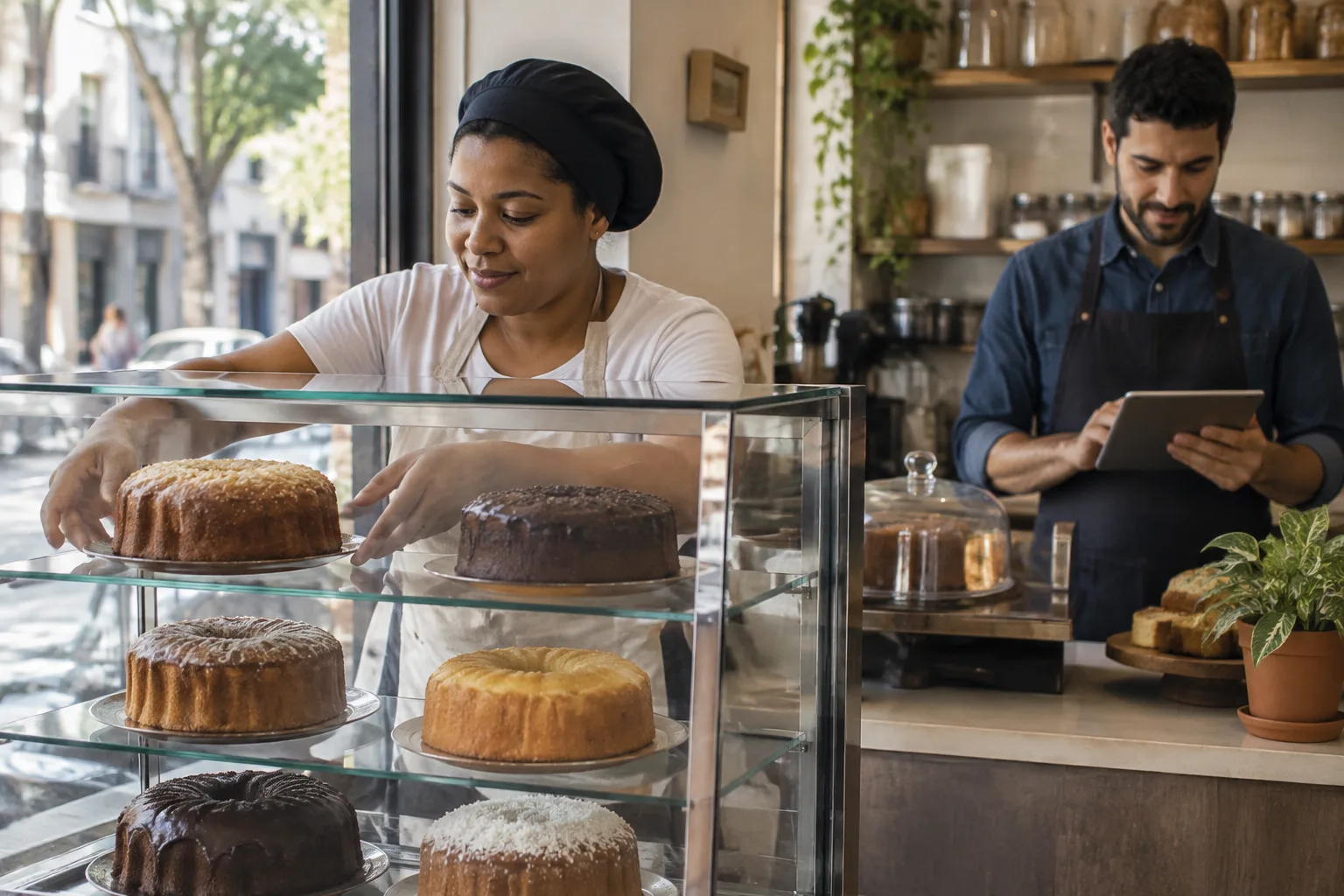
Fábrica de Bolo Vó Alzira aims to quadruple its presence in São Paulo state: the cake shop chain currently has 100 stores there and plans to reach 400 by 2030. The expansion, with a particular focus on São Paulo city, is part of a strategy to establish itself in new markets before agreeing to sell an equity stake, according to a report published on 5 November by Pipeline, part of Brazilian business newspaper Valor.
São Paulo is the focus of the next growth phase
Of Vó Alzira’s 100 stores operating in São Paulo state, 56 are in the state capital. Reaching 400 stores across the state by 2030 would mean adding 300 to its current footprint. This is a target announced by the chain, not a tally of stores already opened.
The plan would significantly change the brand’s geographical spread. Vó Alzira currently has 320 stores across Brazil, including 190 in Rio de Janeiro state. Its home state therefore still accounts for most of the network, while São Paulo is the priority destination for expansion.
There is also a nearer-term national target: reaching 400 stores across Brazil in 2027. The two goals differ in both scope and timing. One concerns the nationwide total in 2027; the other applies exclusively to São Paulo state by 2030. Keeping this distinction clear is important when tracking progress against the plan.
Expansion comes before another stake sale
Founded in 2008 in the northern part of Rio de Janeiro city, the chain is now part of GrupoZ+ and has investment from Auster, an investment manager formed through a spin-off from Leste. Despite interest from potential buyers, the brand has ruled out selling a stake, even a minority holding, before establishing itself in new markets such as São Paulo city.
This approach puts operational development ahead of another equity transaction. Receiving offers does not, in this case, mean that a sale has been announced: the company’s reported position is to prioritise growth before discussing any further change in ownership.
The revenue trajectory presented starts at R$300 million in 2025. Revenue is expected to reach R$350 million in 2026 and R$400 million in 2027. The figures for 2026 and 2027 are forecasts and should be considered separately from the reported 2025 result. All amounts are in Brazilian reais.
For those in the franchise sector, the case brings together two factors that need to be monitored side by side: growth in store numbers and revenue performance. A store-count target alone says nothing about how each individual outlet is performing.
Technology supports the network’s growth
Alongside its expansion targets, Vó Alzira reported investing R$1.2 million in technology since introducing artificial intelligence. Its Trinity platform uses data from more than 500,000 transactions a month to help franchisees interpret their stores’ results.
The functions described include tracking sales, comparing results and identifying changes in demand linked to the weather and calendar events. Using this information focuses attention on day-to-day store operations, rather than simply opening new locations.
The transaction count refers to the data used by the platform. It is neither a count of unique customers nor a measure of profitability. Likewise, the reported technology investment does not, on its own, show how much each store has gained in sales or efficiency.
The business remains connected to its roots
The São Paulo expansion is taking place without severing the brand’s ties to Rio de Janeiro. The original shop in Tijuca remains part of the network, although it no longer belongs to Dona Alzira. The founder continues to participate in decisions about new products.
The business thus combines continuity in product development with ambitions to grow beyond its current main market. Its next announced milestones are 400 stores nationwide in 2027 and, over the longer term, 400 stores in São Paulo state in 2030.
In practice: anyone considering a franchise with the brand should distinguish expansion targets from results already achieved and examine the figures for the proposed outlet, rather than treating network-wide forecasts as a guarantee of local performance.