Franchises in Brazil’s smaller cities gain ground in expansion plans
Now present in 3,828 municipalities, Brazil’s franchise sector is increasingly targeting small and medium-sized cities, with formats tailored to local demand.
Published
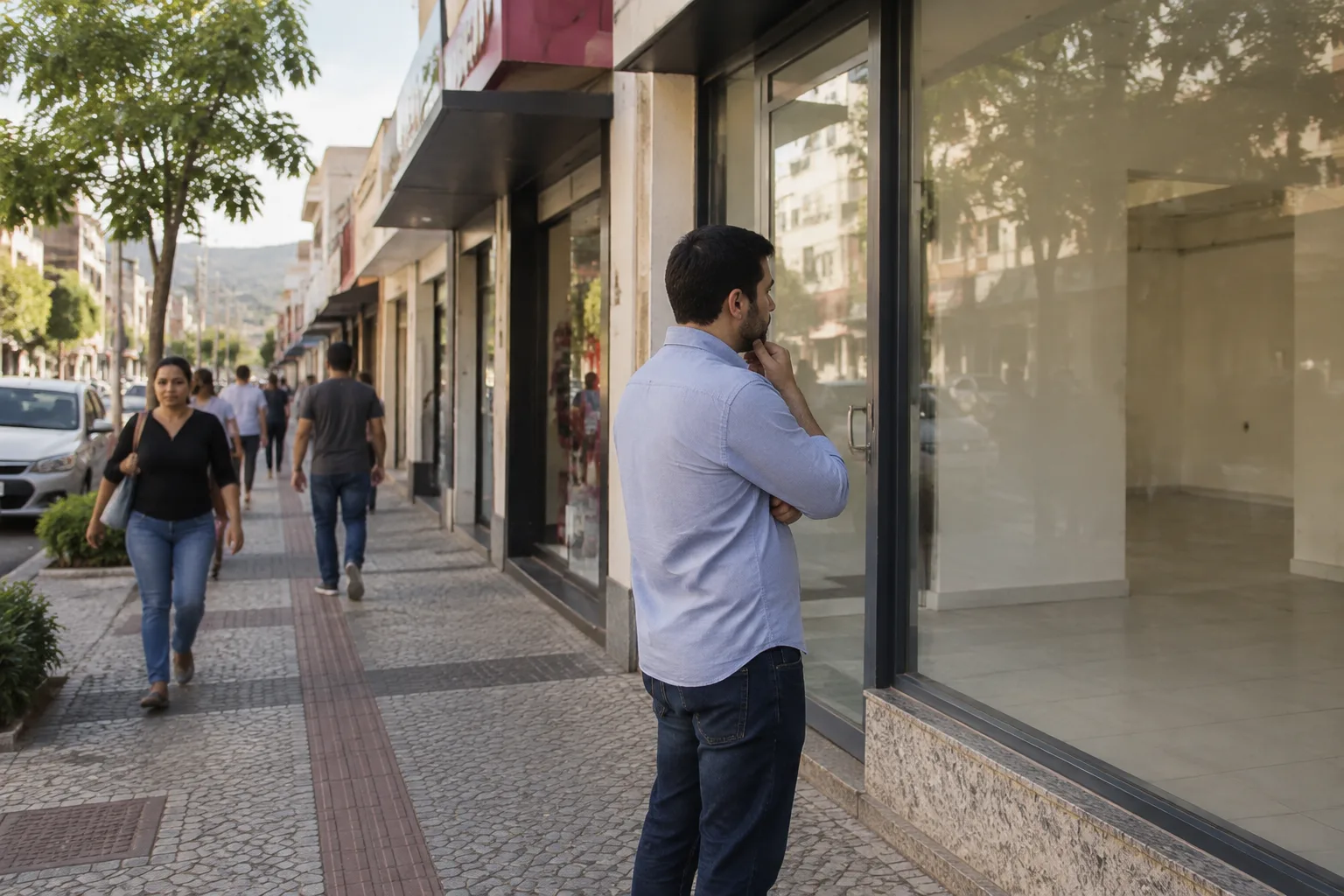
Small and medium-sized cities have gained prominence in the expansion strategies of Brazil’s franchise sector. According to figures from the Brazilian Franchising Association (ABF), reported by Mundo das Franquias on 22 October, franchise networks operate in 3,828 municipalities, equivalent to 69% of the country’s municipalities. In 2024, that figure was 61%.
Expansion beyond major cities becomes part of network planning
This geographical expansion features among the ABF’s trends for 2026. Cristina Franco, chair of the association’s board, believes expansion into small and medium-sized cities has become an established strategy for sustainable growth, rather than simply an occasional initiative.
The change in municipal coverage represents an increase of eight percentage points compared with 2024. The indicator measures the geographical reach of franchising: it shows how many municipalities have franchise operations, not those locations’ share of network turnover.
Another set of figures helps put the trend into perspective. Of the 30 cities in the ABF ranking with the strongest growth in outlet numbers, 14 are not state capitals. This highlights the importance of markets outside the capitals, although it does not mean that all these cities share the same economic profile or offer the same potential for every brand.
For those following the franchise sector, the main shift is in the role these municipalities play in planning: they are becoming the focus of dedicated development strategies, rather than merely serving as alternatives to major urban centres.
Bob’s and OrthoDontic illustrate different approaches
Among the networks cited in the report, Bob’s is targeting turnover of R$1.8 billion and more than 150 new outlets in 2026, with a focus on regional markets. These figures are company targets, not results already achieved. In June, the brand opened an outlet in Corumbá, in the state of Mato Grosso do Sul, providing a concrete example of its presence outside state capitals.
OrthoDontic offers a different picture of expansion. Founded in Londrina, in the state of Paraná, the dental clinic network already has branches in 24 cities with fewer than 50,000 residents. In this case, the figure describes an existing presence in smaller municipalities, rather than projected openings.
The two examples span different sectors — food service and dental care — and show that expansion beyond major cities is not confined to a single business category. Even so, one brand’s experience should not be taken as a guarantee of demand for another.
Giraffas, FarMelhor, Cebrac, Cellep and Grupo Avend also presented plans targeting small and medium-sized cities at ABF Franchising Expo 2026. Their involvement broadens the range of networks that have placed these markets on their expansion agendas.
Costs and local demand shape business formats
The report identifies agribusiness, regional income levels and lower costs as factors helping to explain the interest in municipalities outside state capitals. Rent, labour and premises-related costs tend to be lower in these markets, which can improve the economics of an operation.
However, this potential advantage needs to be checked in each location. Lower premises costs alone do not mean an outlet will deliver higher returns. An investment decision requires projected expenses to be weighed against the demand the business could serve.
Some networks have already developed formats specifically for smaller municipalities, with lower investment requirements and turnover projections aligned with local demand. Adaptation is central to this trend: expanding geographically does not necessarily mean replicating the same set-up used in a state capital.
The practical approach is to assess the proposed format alongside the target market. A city’s size alone is no substitute for analysing the commercial proposition and operating conditions.
What to consider before choosing a location
For prospective franchisees, municipal coverage figures help identify the sector’s direction, but do not automatically make a location a recommended investment. It is worth asking the network about its experience in similarly sized cities and understanding the assumptions behind its projections.
It is also important to distinguish between outlets already open and announced targets. This makes it possible to compare a brand’s track record with what it still intends to deliver, without treating expansion plans as proven results.
In practice: before choosing a franchise outside Brazil’s major urban centres, assess the proposed format against local demand, projected costs and the network’s experience in comparable municipalities.