5àsec warns of bubble risk in self-service laundrettes
5àsec’s CEO sees risks in the proliferation of brands and highlights location and business support as key to the long-term viability of outlets.
Published
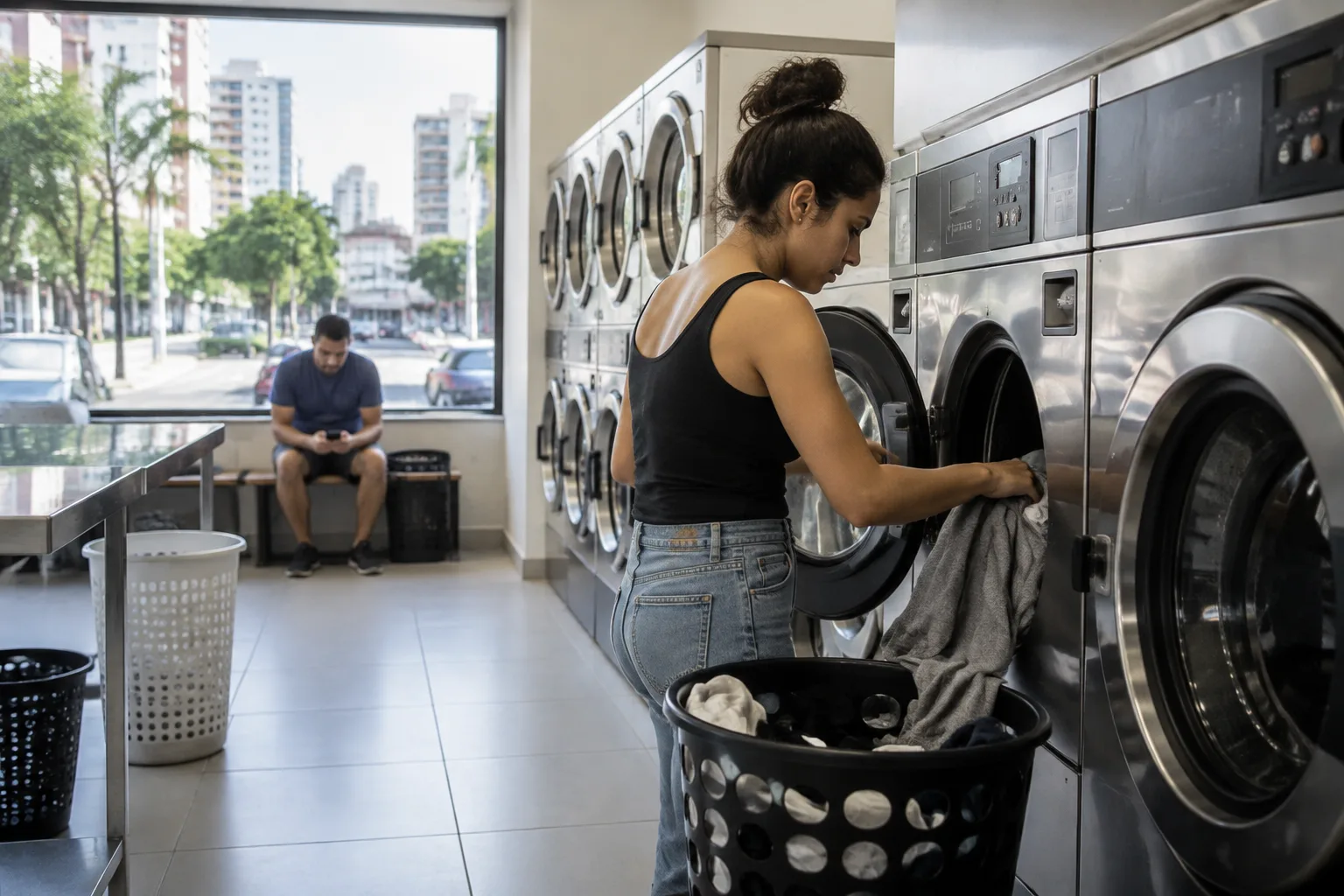
The expansion of self-service laundrettes in Brazil has raised concerns within the franchising sector. In an interview with the C-Level programme published on 22 October, Fábio Roth, CEO of 5àsec, warned of a potential bubble as brands proliferate. His assessment comes from a company that is itself investing in this format through LavPop, which has been operating since 2022.
Growth in brand numbers calls for scrutiny
According to Roth, at least 50 new self-service laundry brands have emerged over the past five years. He compared the trend with the boom in Mexican-style ice lolly businesses in Brazil and said that “many will fall by the wayside”. This is the executive’s assessment of the competitive landscape, not confirmation that a bubble already exists.
To illustrate the shift, he cited the Brazilian Franchising Association’s (ABF) ranking of the 50 largest franchise networks. According to his account, until recently 5àsec was the only laundry brand on the list, with more than 600 outlets. This year, he said, three new self-service brands appear, each with almost 700 outlets.
In the executive’s view, the warning does not mean there is no room for growth. Roth believes businesses with high-quality support and suitable locations will be better placed to survive. These two factors are central to his assessment of the long-term viability of new outlets.
LavPop expands its self-service presence
5àsec itself is taking part in this expansion through LavPop. According to figures presented in the interview, the group has around 650 outlets under its traditional brand, which focuses on specialist laundry services, and a further 150 LavPop outlets, with self-service machines in street-front premises, shopping centres and residential complexes.
5àsec still accounts for 70% of the network’s turnover, Roth said. He expects that balance to shift towards the more affordable brand over the coming years. The investment in self-service therefore sits alongside concerns about the pace at which competitors are entering the market.
The formats also differ in their investment requirements. In the interview, the figure quoted for opening a self-service laundrette was R$180,000, while a traditional 5àsec outlet can cost up to R$600,000. The average payback periods cited were 24 months for LavPop and 36 to 40 months for 5àsec. These are indicative figures presented by the executive, not guarantees of results for individual outlets.
Fewer openings, but higher revenue forecast
Outlet expansion in 2026 is expected to fall short of the initial target. According to Roth, the plan was to open 150 outlets, but the total is now likely to be 90. He linked the pace of expansion to Brazil’s election year and said the revision had not surprised him.
Despite fewer openings than planned, the outlook presented is for revenue growth. Turnover of R$330 million in 2025 is expected to reach R$360 million in 2026. The latter figure remains a forecast, not a confirmed result.
Roth sees opportunities in the outskirts of São Paulo, major urban centres such as Belo Horizonte and Porto Alegre, and cities with around 100,000 inhabitants. He linked the potential in large urban centres to the growth of high-rise housing and shrinking utility areas in homes.
The executive also highlighted a difference in usage: according to him, laundry services reach around 40% of the population in European and American markets, compared with approximately 6% in Brazil. The comparison underpins his view of the market’s potential, without removing the risks associated with competition and site selection.
What to consider before investing
For prospective franchisees, the interview sets opportunity alongside caution. Growth in the number of brands is no substitute for assessing the location, the support available and the differences between a specialist laundry business and a self-service operation.
Roth argued that opening a franchise requires a business mindset as well as a willingness to become an entrepreneur. His assessment reinforces the importance of examining the operation itself, rather than simply the format’s popularity within the franchising sector.
In practice: before investing, assess the network’s support and the suitability of the site. Treat advertised investment costs and payback periods as indicative figures to verify for your proposed outlet, not as promises of performance.
Sources
- 8 franquias baratas para abrir sendo MEI em 2027, com investimento a partir de R$ 5,9 mil
- Em Santo André, Sebrae-SP e ABF promovem curso gratuito sobre franquias - Diário do Grande ABC
- Expo Franchising ABF Rio 2026 reúne cerca de 100 marcas e ...
- Franquia do sorvete Oh!Whey abre no Iguatemi POA com autoatendimento | Jornal do Comércio
- CEO da 5àsec vê risco de bolha em lavanderias de autoatendimento: 'Muita gente vai ficar pelo caminho'
- Expansão de franquias: apoio da RD para franqueadoras