Tomato Brunch Tea to showcase low-gluten rice bread at Taipei franchise expo
Taiwanese brunch brand Tomato Brunch Tea has announced a low-gluten menu range for the 2026 Taipei International Franchise Exhibition, with rice bread as its centrepiece. Prospective franchisees should check product specifications, supply terms and actual costs when assessing the new menu.
Published
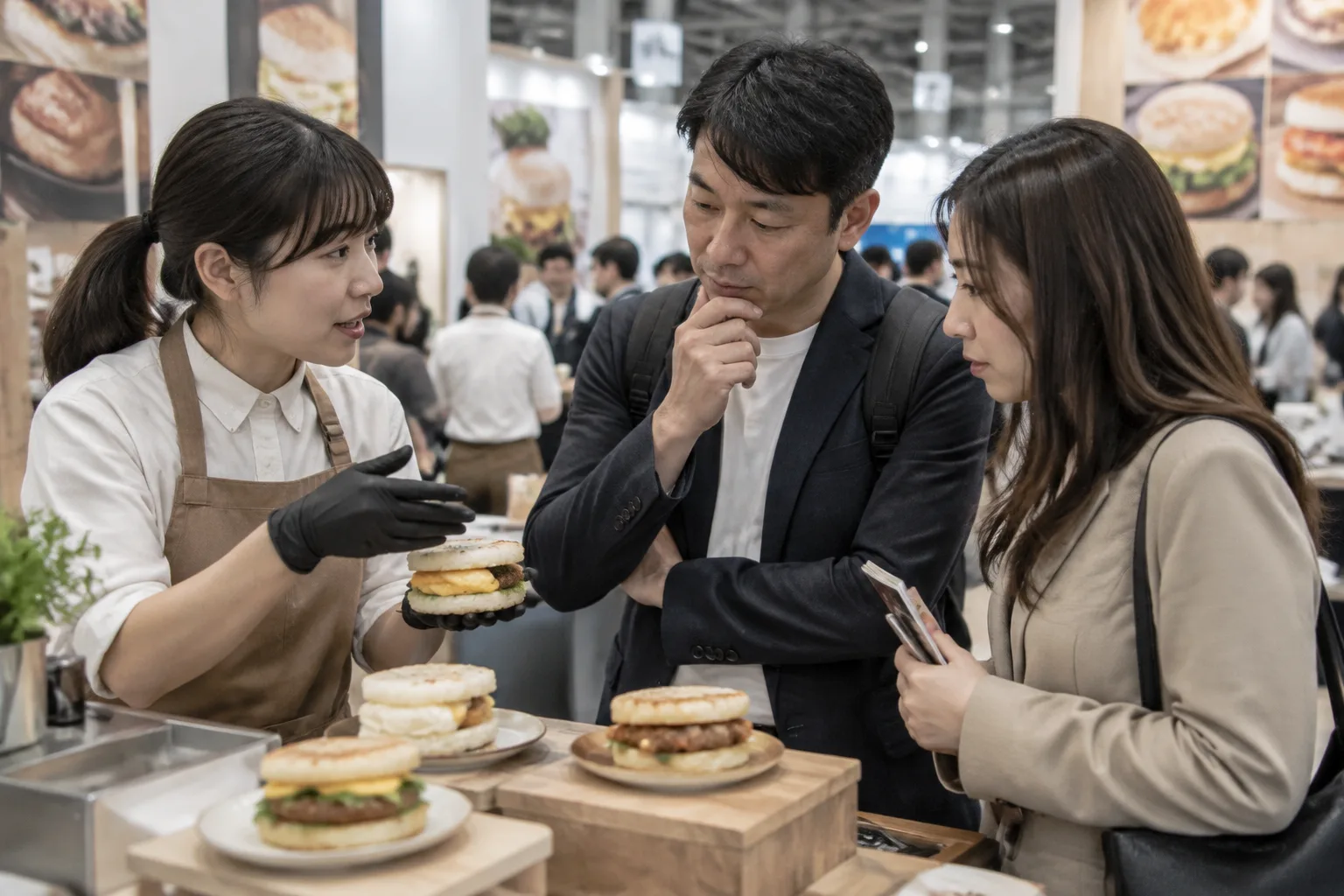
Taiwanese brunch brand Tomato Brunch Tea (蕃茄村) has announced plans to launch a ‘low-gluten menu range’ at the Taipei International Franchise Exhibition, taking place from 2 to 5 October 2026, with rice bread as its key product. For those considering a franchise in Taiwan, the focus is on how the brand aims to stand out in the brunch market through its menu positioning.
Rice bread takes centre stage at the franchise exhibition
According to a 2 October report by China Times News Network, Tomato Brunch Tea will set up a dedicated low-gluten rice bread area at the exhibition to introduce the range to prospective franchisees. The brand cites health awareness, lighter eating and families’ everyday needs as the drivers behind this product strategy.
The exhibition brings product development and franchise recruitment together: prospective franchisees will encounter not just the brand name, but also the menu direction that could help their future outlets attract customers. Tomato Brunch Tea hopes its low-gluten rice bread will offer a distinctive option in the highly competitive brunch market.
However, the brand’s assessment of the market opportunity should be considered separately from actual outlet performance. Launching a new product does not, in itself, demonstrate customer acceptance, repeat purchases or franchise profitability.
The low-gluten positioning needs to be clear
The announced range is positioned as ‘low-gluten’. Franchisees should retain that wording when interpreting and communicating its features, rather than describing it as ‘gluten-free’ or suggesting that it is guaranteed to suit all special dietary requirements.
For operators preparing to introduce the products, a practical first step is to request full ingredient lists, product specifications and allergen information from head office. They should confirm the rice bread’s formulation and preparation requirements before deciding how to describe it on menus and how staff should explain it. The brand’s use of healthy-eating trends in its promotion should not be presented as evidence of specific health benefits.
Menu differentiation needs to be backed by clear information. If customers ask about ingredients or dietary restrictions, outlets should be able to give consistent, accurate answers rather than relying solely on exhibition marketing language.
From product concept to day-to-day operations
In its exhibition announcement, Tomato Brunch Tea describes low-gluten rice bread as a new opportunity for franchise entrepreneurs. Prospective franchisees, however, should look beyond the concept to daily operations: how reliable supplies will be, what storage conditions are required, whether preparation procedures will increase service times, and what training staff will need.
These are questions to ask when assessing a new menu, not operational results already published by the brand. Similarly, the high-margin opportunity envisaged by the brand should not be treated as a promise of returns that franchise outlets can achieve.
Prospective franchisees can ask head office to break down selling prices, ingredient costs and packaging costs for specific menu items, then factor staffing, rent and wastage into their own outlet budgets. A distinctive product and a sustainably profitable business are two separate propositions that need to be verified independently.
Franchise assessment goes beyond tasting at the exhibition
Tomato Brunch Tea’s exhibition plans offer a way to assess its franchise proposition through product positioning. Whether rice bread can become a defining feature of an outlet depends not only on taste and presentation, but also on how clearly head office communicates product information, supply arrangements and operating requirements to franchisees.
For those exploring Taiwan’s franchise market, the exhibition is a useful place to discover new menus. Before investing, however, prospective franchisees should compare product promises with the written franchise terms, point by point, and assess how well the offer fits the customers and spending habits in their intended catchment area.
Practical takeaway: first check the low-gluten product specifications, then confirm supply and training arrangements, and finally calculate costs for your proposed location. Do not mistake interest in a new product for a guarantee of profitability.