ASE Green Propolis Toothpaste Showcased at Taiwan Franchise Expo, Linking Bee Conservation to Sustainable Product Sourcing
The ASE Environmental Protection and Sustainability Foundation and ASE Social Enterprise showcased green propolis toothpaste at a Taiwan franchise expo, linking bee conservation to everyday products and offering franchise businesses a case study in sustainable sourcing.
Published
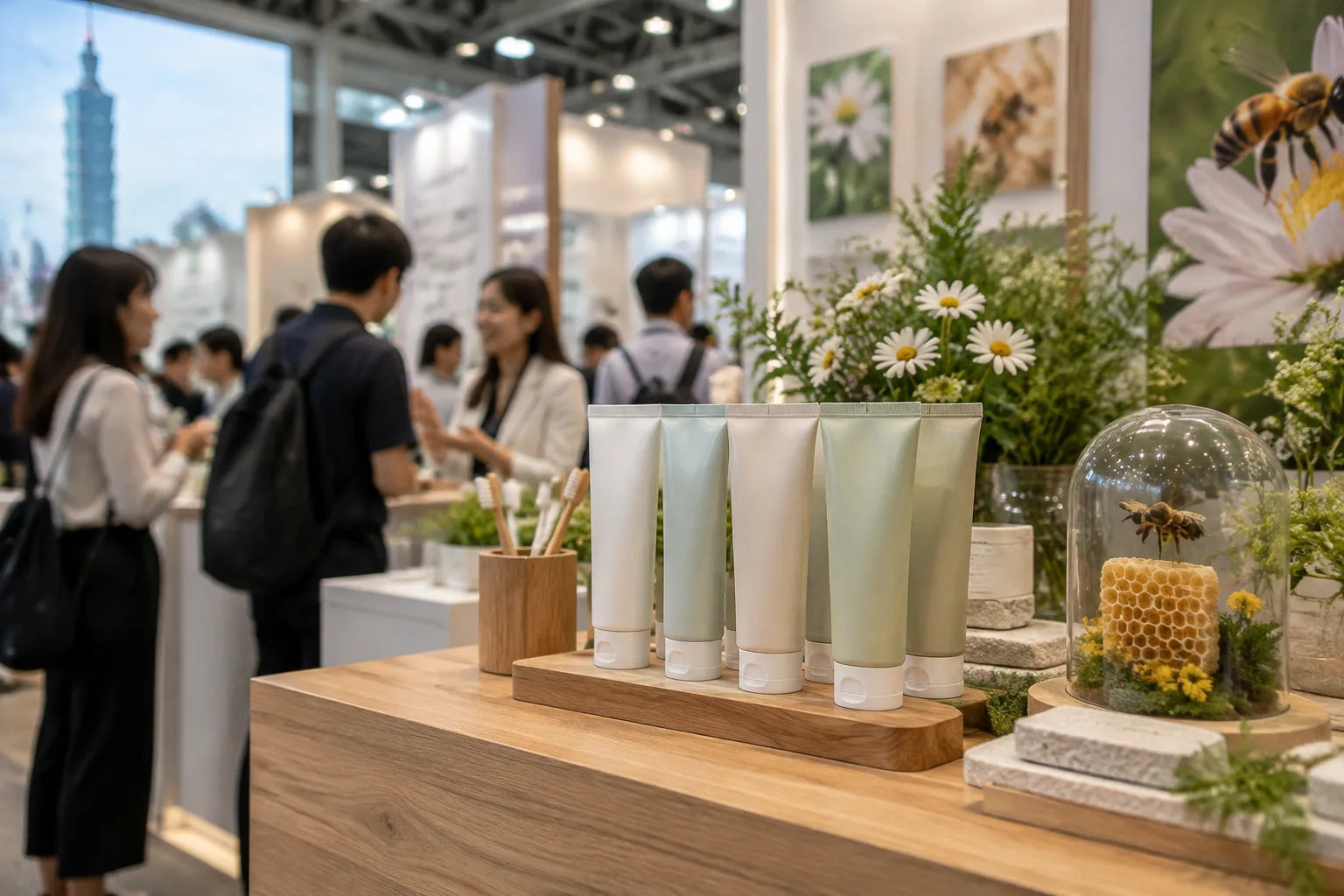
Products that bring ecological conservation into everyday consumption also featured at Taiwan’s franchise expo. The ASE Environmental Protection and Sustainability Foundation and ASE Social Enterprise showcased “Taiwan Green Propolis Toothpaste for Sensitivity Relief and Gum Care” at the 2026 Taiwan International Chain and Franchise Exhibition (Autumn Edition), showing franchise businesses how conservation initiatives can reach a wider consumer audience through product development.
Sustainable Products Showcase Features Conservation-Linked Goods
According to an announcement published by the foundation on 16 October, this year’s autumn exhibition ran from 2 to 5 October. The foundation and ASE Social Enterprise displayed the toothpaste in the “U-PING Sustainable Products Collection” area, using an everyday oral care product to present the results of bee conservation work.
The focus was on the link between conservation and product development, rather than simply introducing a household item. Through product development, the foundation hopes to turn everyday consumer choices into support for sustainability. For franchise professionals exploring products and brands at the event, the display also offered a practical example of how ingredient provenance can help explain a product’s positioning.
Ingredients Linked to a Conservation Partnership with National Ilan University
The green propolis used in the toothpaste comes from the “Taiwan Wild Bee and Western Honey Bee Restoration Programme”, a joint initiative between the foundation and National Ilan University. The programme works to restore Taiwan’s wild bee populations and researches the prevention and control of sacbrood disease to help maintain native species diversity. It also protects western honey bees, which pollinate crops.
The conservation work behind the product therefore extends beyond a single bee species, encompassing both native biodiversity and crop pollination. By using toothpaste as the focus of the display, the exhibition connected specialist conservation work with everyday use, allowing visitors to trace the product’s ingredients back to the collaborative programme.
Ingredient Provenance Offers a Starting Point for Sustainable Sourcing
For franchise brands and shop operators, the key consideration is whether a product clearly explains the basis for its sustainability claims. ASE’s example identifies a partner institution, a conservation programme and a link to the ingredients used, providing concrete starting points for further assessment.
However, a product’s conservation background and its functional benefits are separate matters. “Sensitivity Relief and Gum Care” forms part of the name of the product displayed; its conservation credentials alone should not be taken as evidence of efficacy. When assessing similar products, operators should examine ingredient provenance, functional claims and permissible sales wording separately.
Moving from Exhibition Awareness to Practical Assessment
The showcase illustrated one route from conservation work to commercial products: beginning with a restoration partnership, incorporating its ingredients into everyday goods and using those goods to introduce consumers to the work behind them. For franchise businesses, exhibitions can also provide an opportunity to explore the background of sustainable products.
In practice, operators considering similar products should first verify supply terms, product information and how the conservation link is explained, before deciding whether the products suit their customer base. Clearly explaining the sustainability story matters more than relying on a sustainability label alone.