Get Your Supply Chain Ready Before Franchising in the Philippines
Can your supply chain support more outlets? Put sourcing, delivery and accountability in place before offering your business as a franchise.
Published
A supply chain may work well for a single shop but falter when several outlets depend on it. Before franchising your existing business in the Philippines, make sure the right products can arrive in the right condition and on time, without relying on personal favours. In franchising, reliable supply underpins trust between the franchisor and the franchisees running the outlets.
1. Identify the supplies you cannot afford to run out of
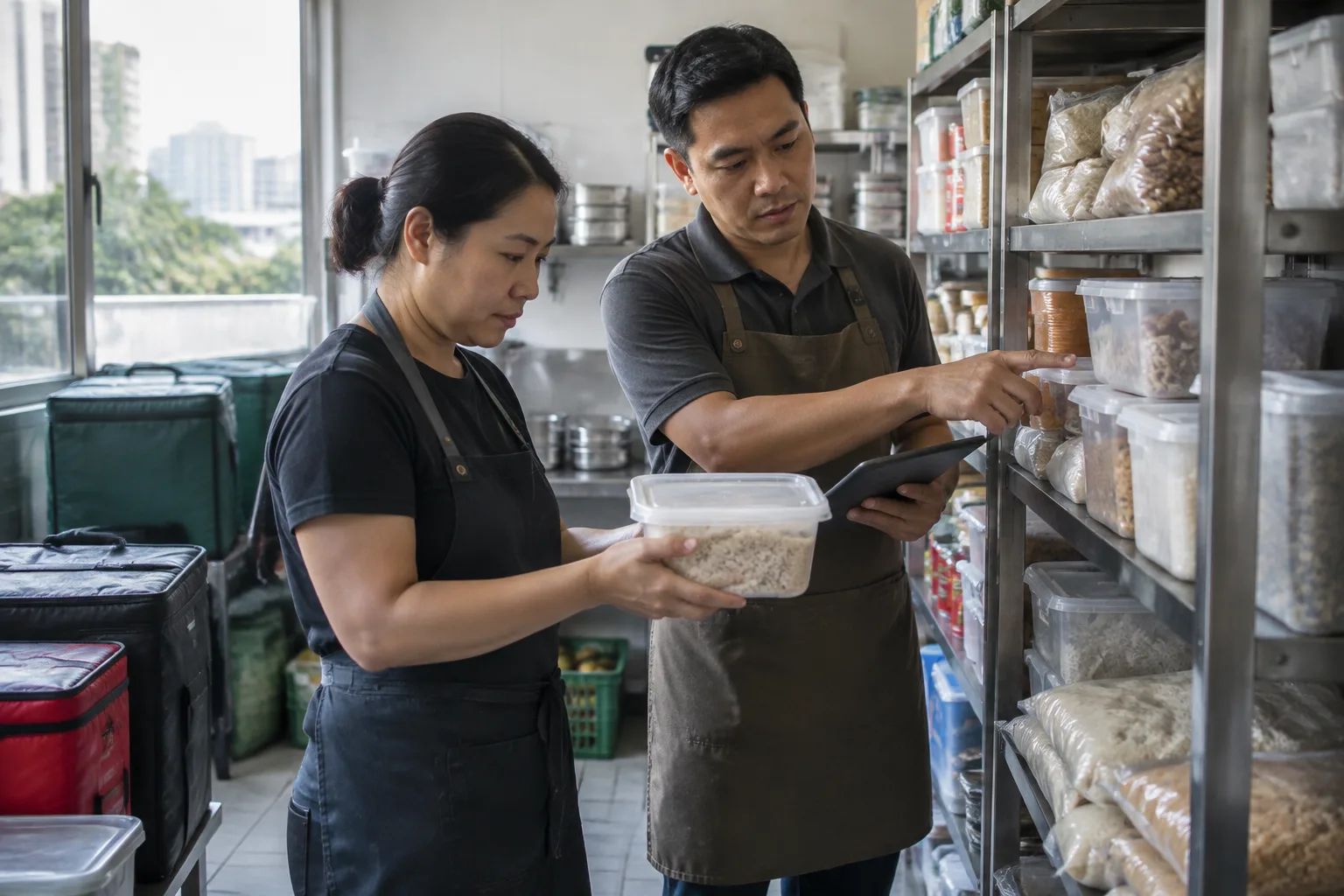
List everything you need to make sales: key ingredients, stock, packaging, cleaning products, spare parts and other supplies. Then classify them by the impact of a shortage. Missing decorations can wait; a missing core ingredient could halt operations.
For each critical item, record:
- Exact specifications and acceptable quality standards.
- Typical consumption and how it changes during busy periods.
- Lead time from placing an order to receiving it.
- Minimum order quantities and storage requirements.
- Shelf life or usable lifespan.
- The main supplier and potential alternatives.
Use actual records from your existing business, rather than relying solely on the manager’s memory. Include spoilage, incorrect deliveries and leftover stock that can no longer be sold. The quantity purchased does not automatically equal the quantity used.
For example, if a distinctive sauce is what makes your food recognisable, it may need to come from a single approved production facility. Standard cleaning products, however, could be bought from a local supplier, provided they meet clearly defined standards.
2. Test delivery capability before making commitments
Do not assume that a supplier who serves one outlet well is ready to supply several. Ask for written clarification of capacity, schedules, delivery coverage and arrangements for shortages. Also find out whether the supplier relies on a single source of raw materials.
This matters in the Philippines, where deliveries may involve sea crossings, changeable weather and varying road conditions. A promise of fast delivery to a nearby city should not automatically be extended to an outlet on another island.
Run a trial on the actual route you intend to use. Measure delivery times, the condition of products on arrival, transport costs and the outlet’s ability to receive and store the goods. If products need to be kept chilled, check temperatures during transit and on receipt, not just the appearance of the box.
Set a stock level that triggers a new order. Base it on consumption during the replenishment lead time, plus a reasonable buffer for delays. Avoid excessive safety stock if products have a short shelf life or storage space is limited.
3. Clarify purchasing rules and responsibilities
Before offering the franchise, state clearly which items must be bought from you, which must come from approved suppliers and which can be sourced locally. Explain the reasons: safety, consistent quality or protection of a distinctive product—not simply control over every purchase.
The agreement and day-to-day procedures should align on the following:
- How orders are placed, payments are made and receipt of goods is confirmed.
- Notice of price changes and the basis for them.
- Responsibility for missing, damaged or late goods.
- Procedures for returns, replacements or billing adjustments.
- The approval process for alternative suppliers.
The Philippines has no single comprehensive franchise law. However, Executive Order No. 169, series of 2022, sets out specific rules for agreements within its scope involving micro, small and medium-sized enterprises. It prescribes minimum agreement provisions and directs the Department of Trade and Industry (DTI) to establish a registry of agreements. Check the applicable procedures and current rules with the DTI.
The Civil Code also applies to contracts, the Intellectual Property Code to trademark and technology licensing, and Republic Act No. 10667 to competition. Have a lawyer review mandatory purchasing and exclusive supply arrangements; a condition is not necessarily valid simply because it is written into the agreement. Republic Act No. 9178 concerns barangay micro business enterprises—small businesses at local community level—not franchising.
4. Prepare for supply disruptions
Assign responsibility for decisions when products fail to arrive. Each outlet should know when to report a problem, whom to contact and what it can do while waiting. Do not leave substitutions for critical ingredients entirely to individual judgement.
Prepare approved alternatives, plans for temporarily reducing the range on sale and clear notices for customers. For defective or potentially unsafe products, you should be able to trace which production batches went to each outlet so they can be quickly isolated and recalled.
Regularly review stockouts, spoilage, delays and complaints. Use the findings to adjust order quantities and suppliers’ responsibilities before adding more outlets.
Practical takeaway: Before offering a franchise, complete your critical supplies register, test the delivery route and put approved alternatives in place. Make bigger commitments only when your system can deliver on them.
Sources
- Franchise Business
- Franchising Law and Practice in Philippines
- A Guide to Starting a Franchise Business in the Philippines
- How to Legally Start a Franchise Business in the Philippines
- Kodigo ng Pag-uugali sa Franchise Pilipinas | QFA
- How do I Franchise my Business? - Blog
- Franchising 2025 - Philippines | Global Practice Guides ...
- Low-Cost Franchise Business in the Philippines - Wise