But First, Coffee reaches 200 outlets with the help of franchising
From an initial investment of ₱6,000, But First, Coffee has grown to around 200 outlets in the Philippines, most of them franchised.
Published
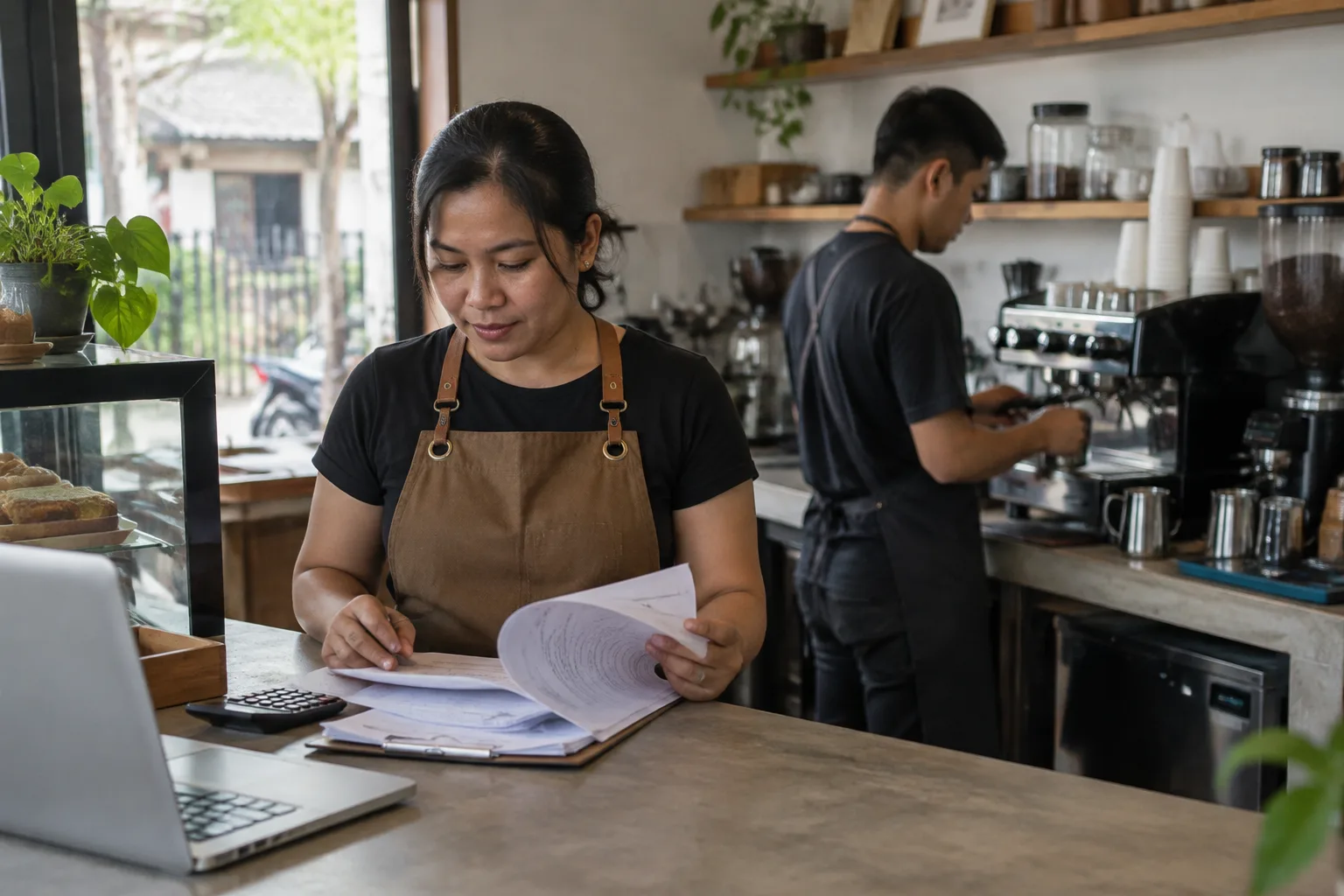
But First, Coffee, the business Anna Magalona-Go founded in 2020 with ₱6,000 (Philippine pesos), has grown to around 200 outlets across the Philippines. According to a Daily Tribune feature published on 25 October 2026, most of its shops are franchised, while around 30 are company-owned.
From a personal dream to the first coffee cart
Building a national coffee brand was not Magalona-Go’s original goal when she set up the business. According to the report, she wanted a source of income of her own—a dream she had held since childhood. That modest initial investment laid the foundations for a business that would eventually expand across the country.
The business began by selling online. Later, she opened a small coffee cart below the flat from which she ran the operation. This physical presence created another opportunity to develop the brand, moving beyond online transactions to give customers a place they could visit.
This sequence matters to the But First, Coffee story: a small, independently run business came first, followed by wider expansion. The report did not describe the ₱6,000 as a franchise fee or the current cost of opening a shop. It was Magalona-Go’s starting capital in 2020.
Franchising became the next major step
Franchising became the next major step as more people expressed interest in opening their own But First, Coffee outlets. Magalona-Go saw this as an opportunity to expand the business beyond what she could manage alone.
At that point, growth no longer depended solely on the founder’s own capacity. Interest from prospective partners opened up another route to adding shops. This is the clear role franchising played in the story: it enabled the brand to expand through other entrepreneurs.
The importance of this approach is evident in the ownership mix. Of the roughly 200 shops nationwide at the time of the interview, most were franchised. Around 30 were company-owned. These figures show that But First, Coffee’s national presence was not built solely on its own shops.
For those considering the Philippine franchise market, the combination of two ownership models within one brand is worth noting. Some outlets are company-owned, while a larger number operate as franchises. However, the reported size of the network should not be mistaken for a measure of individual franchisees’ earnings.
The organisation grew too
As the number of outlets increased, so did the organisation, which had begun as a one-person operation. According to the Daily Tribune, it had become a company with nearly 200 employees by the time of the interview.
Employee numbers and outlet numbers are separate measures. The former refers to the company’s reported size as an organisation; the latter describes the reach of the shops trading under the brand. The figure of nearly 200 employees should not be assumed to represent the total workforce across all its franchises nationwide.
Likewise, the roughly 200 outlets represent the network reported at the time of the interview, not the number of new openings in October. This distinction is important to understanding the news accurately: the feature concerns the scale the business had reached and the role of franchising in its growth.
What should prospective investors bear in mind?
The But First, Coffee story offers an example of a business that started small and expanded alongside its franchisees. But the founder’s initial investment is different from the amount a new franchise partner would need today.
Practical reminder: Before committing any money, request an up-to-date breakdown of costs, details of the support provided and the terms of the agreement. Treat the growth story as background information, not as a promise of similar results or a basis for your own budget.