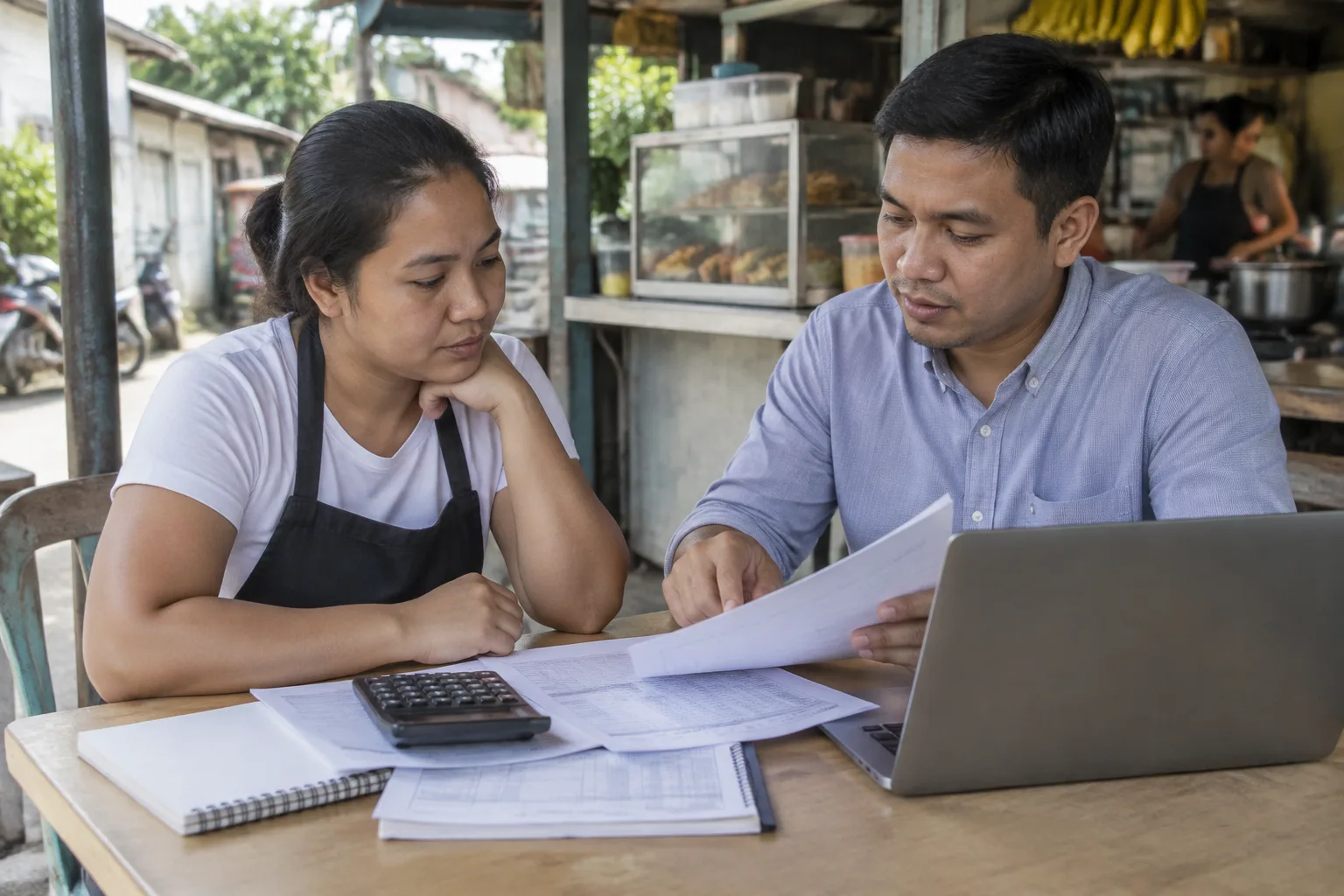
Buying an Existing Franchise in the Philippines: The Transfer Process
Buying an existing outlet? Check transfer approvals, outstanding debts, rights to the premises and the full cost of taking over.
Published

Buying an existing franchise outlet involves more than simply changing the shop’s owner. The sale may include equipment and stock, but not the right to use the brand or remain in the leased premises. In franchising, it is important to distinguish between owning the business and having permission to operate it under a particular brand.
1. Establish exactly what you are buying
Before negotiating, ask for a written description of what is being sold. Are you acquiring only equipment and stock, or also the shares in the company operating the outlet? These two approaches carry different risks.
For an asset purchase, identify each item of equipment included, its condition, proof of ownership and any debt secured against it. For a share purchase, the company remains in place along with its obligations, including those not immediately apparent from visiting the outlet. Ask a lawyer and an accountant to review the appropriate transaction structure.
Request the following:
- The franchise agreement, amendments and notices of breach.
- The lease, deposit records and the landlord’s consent where required.
- A list of equipment, stock records and any equipment hire-purchase or leasing agreements.
- Tax and payroll records, employee obligations and outstanding debts to suppliers.
Also ask why the outlet is being sold. Verify the explanation against the documents and, with permission, check it with the landlord and franchisor. Do not assume that permits transfer automatically to a new owner.
2. Confirm the approvals and rights that will transfer
There is no general rule giving a buyer an automatic right to take over the seller’s franchise. Read the transfer conditions: these may require the franchisor’s written consent, an assessment of the new owner, training or payment of a fee.
Find out whether you will take over the remaining term of the existing contract or sign a new agreement. Fees, territory, required equipment and operating standards may change. The seller’s assurance that “the franchise is included” is not enough.
Check three approvals separately: consent to the sale, permission to use the brand and permission to remain in the premises. One party’s approval does not replace another’s.
Include in the sale agreement the conditions that must be met before full payment. For example, it should clearly state what happens to any advance payment if the franchisor or landlord refuses consent. It should also specify who is responsible for obligations arising before the transfer.
3. Use the right legal framework
The Philippines has no single comprehensive franchise law. The Civil Code is important for the validity of contracts, consent, obligations and remedies for breach. Republic Act No. 8293, the Intellectual Property Code, covers the use of brands and technology transfer arrangements.
Executive Order No. 169, series of 2022, also provides specific protections for franchise agreements involving micro, small and medium-sized enterprise franchisees. It sets minimum contract requirements, including provisions on the transfer of rights and obligations, and establishes a registration mechanism with the Department of Trade and Industry (DTI). Have an adviser assess how it applies to your transaction and confirm the current process with the DTI; it does not replace ordinary business registration.
DTI Bureau Order No. 10-24 advises prospective buyers to request information about the franchisor and franchise operations. However, this is due diligence guidance, not a general requirement to provide a standard disclosure document.
For this reason, the agreement itself should list the documents to be supplied and the representations for which the seller will be accountable. Business registration or membership of an association does not guarantee a trouble-free transfer.
4. Calculate the full cost and organise the handover
Beyond the purchase price, budget for transfer fees, training, repairs, replacement equipment, the rental deposit, stock, professional fees and working capital while operations are being settled. Ask for written estimates and specify who will pay each cost.
If you are borrowing, coordinate the release of funds with receipt of the required approvals. Do not assume that a bank will accept the right to use the brand as sufficient security; establish what guarantees and personal liability it requires.
On the transfer date, carry out a physical count of stock and equipment. Record the handover of keys and system access, water and electricity meter readings, and the cut-off point for responsibility for bills. The transfer of customer and employee records must also comply with data privacy law.
Practical reminder: Buy only what can clearly be transferred. Before making full payment, ensure that the sale agreement, franchise approval and rights to the premises all align.
Sources
- Franchising Law and Practice in Philippines
- Philippines: Franchise & Licensing
- A Guide to Starting a Franchise Business in the Philippines
- Franchising 2025 - Philippines | Global Practice Guides ...
- What you need to know before buying franchise in a legal perspective
- A Practical Guide to Philippine Franchise Law
- Franchise
- Philippines - Franchising - export.gov