Buying a Franchise? Scrutinise the Promised Returns
Learn how to check a franchise’s projected returns and which documents to request before paying an initial deposit.
Published
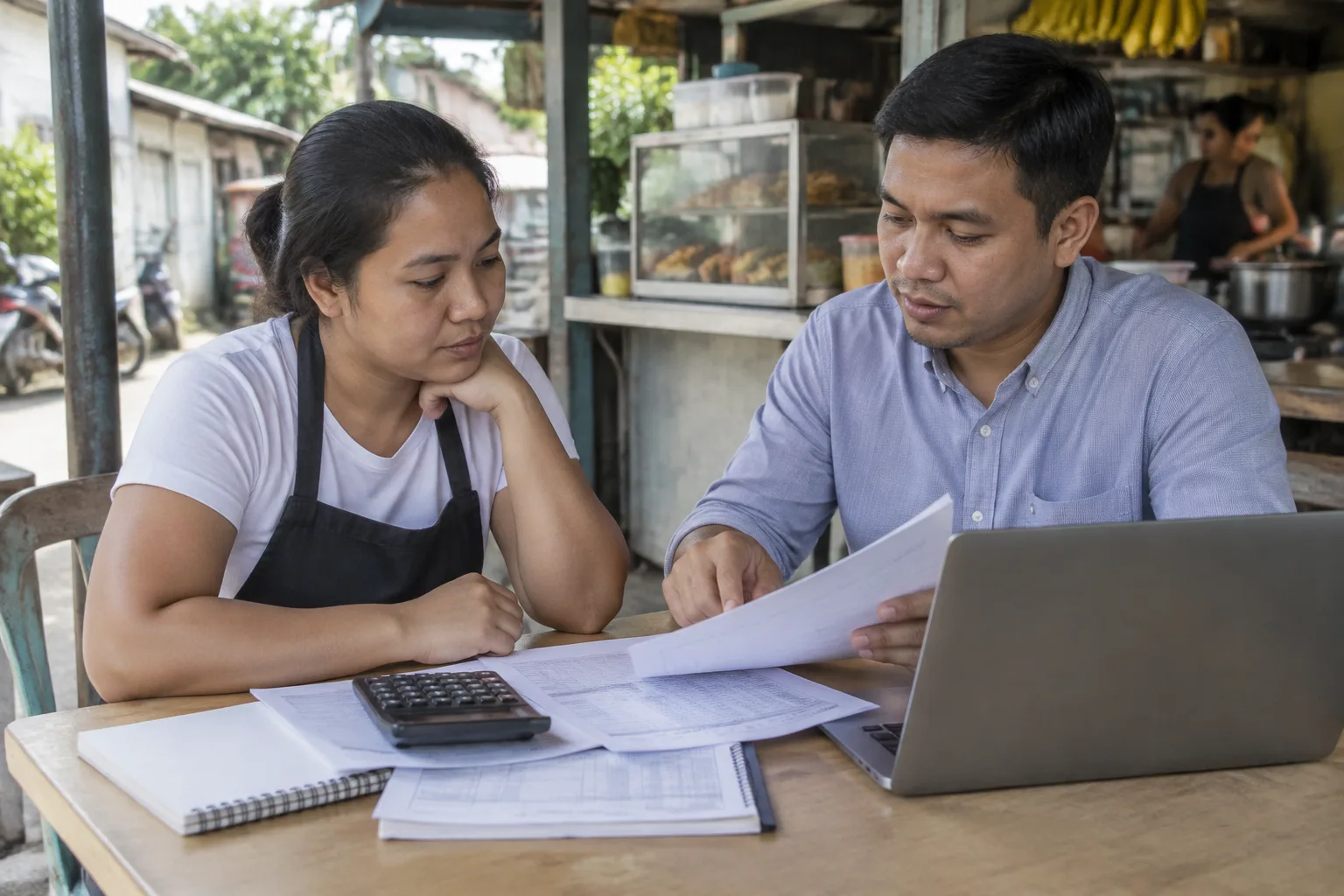
It is easy to be drawn to a franchise that promises a quick return on your investment. But projected earnings are not the same as actual results, particularly when location, rent and management practices differ. When considering a franchise in the Philippines, it is important to check where the figures come from before paying a deposit. Here are some practical ways to assess whether the promised returns have a sound basis.
1. Establish what the figures actually represent
When someone promises “high monthly earnings”, first ask: does that mean sales, profit after deducting product costs, or money left after all expenses have been paid? These are different measures. Sales may be high while cash is still insufficient to cover rent, wages and debt repayments.
Ask for a written explanation of the following:
- Source: Are the figures based on an operating outlet, or are they merely projections for a shop that has yet to open?
- Coverage: How many outlets are included, and are they owned by the franchisor or by franchisees?
- Period: Which months were measured? Do the figures include quieter months and the early stages of operation?
- Deductions: Have tax, royalties, delivery costs, product spoilage and a salary for the owner-manager been included?
Do not rely solely on the best-performing outlet. Ask why your proposed location is comparable to the example presented. A shop at a busy transport terminal is not automatically comparable to one in a quiet residential neighbourhood.
2. Ask for evidence, not just a presentation
Draw up a checklist of the documents you need before making a decision. These may include monthly sales summaries, records of major expenses, current supply prices and a complete list of fees and charges. Request records covering a long enough period to show seasonal variations in sales, rather than just a selection of good months.
If the records are sensitive, ask for aggregated data or anonymised copies. You do not need customers’ or employees’ personal information to assess the basis of a projection.
With permission, speak to several existing franchisees as well. Do not limit yourself to a single outlet chosen for you. Ask whether:
- actual costs matched the initial estimates;
- additional capital was needed before the business generated sufficient cash;
- supplies arrive reliably and the promised support is provided;
- there are fees or compulsory purchases that were not clear at the outset.
A refusal to provide any verifiable basis for the figures is a reason to pause. It is not automatically evidence of deception, but neither is it reasonable to replace missing evidence with trust alone.
3. Understand the disclosure rules
The Philippines has no single comprehensive franchise law. However, this does not mean there are no protections in place. The Civil Code is relevant to contracts, while Republic Act No. 8293, or the Intellectual Property Code, governs matters relating to trade marks and technology transfer.
There is also a specific measure: Executive Order No. 169, series of 2022, sets minimum requirements for franchise agreements involving micro, small and medium-sized enterprises. These include full disclosure of fees and charges. It also directs the Department of Trade and Industry (DTI) to establish a register of agreements and imposes registration obligations on franchisors within its scope. Check with the DTI about the applicable procedure and evidence of compliance.
Disclosure within a contract is different from a mandatory document that must be provided before purchase. There is no general obligation to provide a standard pre-sale disclosure document for every franchise. DTI Bureau Order No. 10-24 advises prospective buyers to request information about the business and its operations; it does not itself require the franchisor to supply the information requested.
Under Article 1390 of the Civil Code, a party may seek annulment of a contract where consent was defective, for example because of fraud. However, failing to achieve projected earnings is not, in itself, evidence of fraud. Keep copies of presentations, messages and written explanations.
4. Test the projections before paying a deposit
Have an accountant review your own projections using the rent, wages and other costs applicable to your location. Prepare separate calculations for expected sales, lower sales and a delayed opening. Include loan repayments and the cash needed while earnings remain insufficient.
Before paying, obtain written confirmation of whether the deposit is refundable if the location, loan or agreement is not approved. Also have a lawyer check that the key promises are included in the contract, rather than left as verbal assurances.
Practical takeaway: Do not buy simply because the projections sound convincing. Proceed when the source of the figures is clear, the costs have been tested and the key conditions are in writing.
Sources
- Franchising Law and Practice in Philippines
- Philippines: Franchise & Licensing
- A Guide to Starting a Franchise Business in the Philippines
- Franchising 2025 - Philippines | Global Practice Guides ...
- What you need to know before buying franchise in a legal perspective
- Franchise
- Philippines - Franchising - export.gov
- Philippines Franchise Concepts