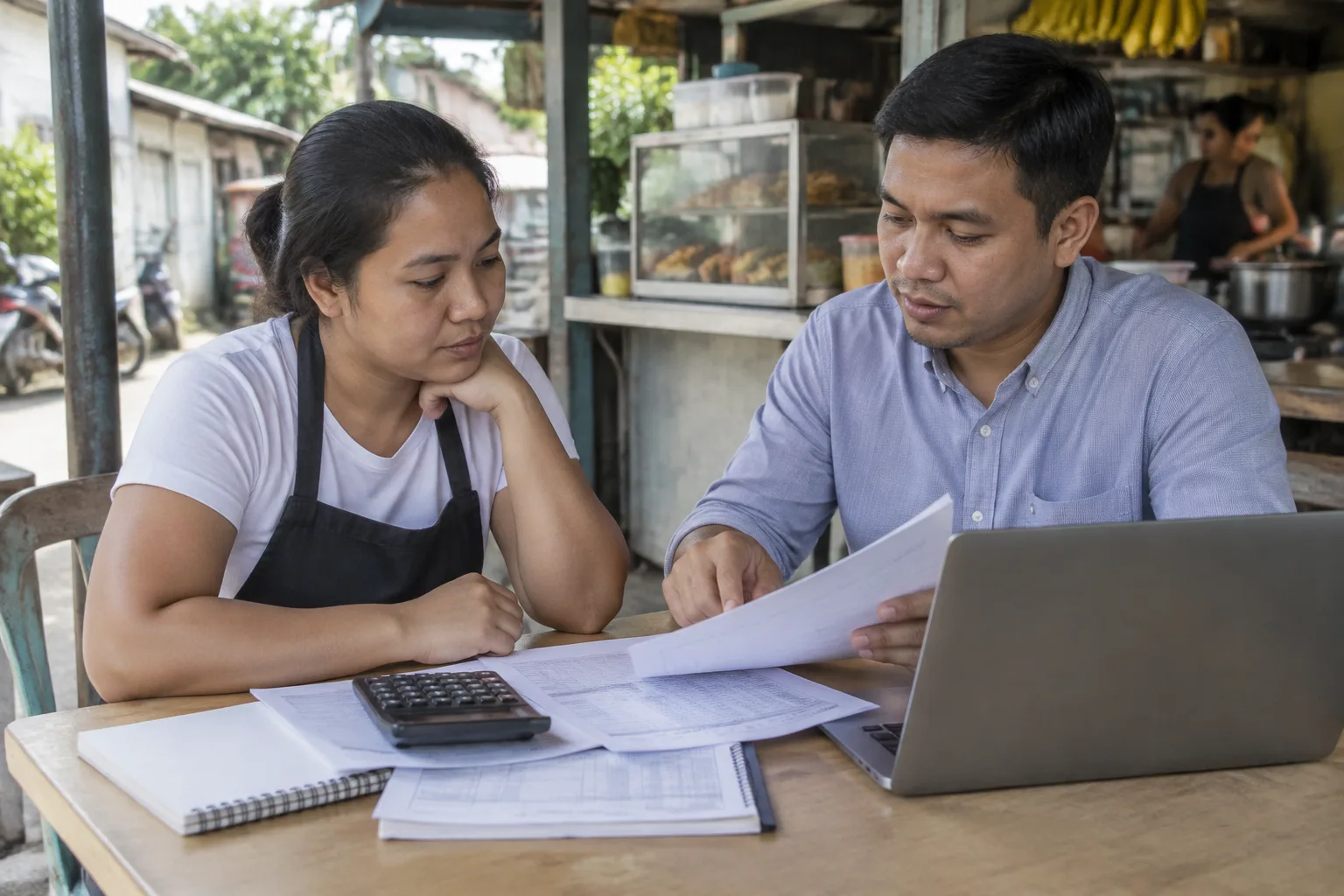
Buying a Franchise: What to Check Before Paying a Reservation Fee
Before reserving a franchise in the Philippines, check who you are paying, which documents you need and when your money can be refunded.
Published

Buying a franchise may begin with a simple offer: pay now to reserve a location or secure the current price. But before handing over any money, you need to understand what you will receive in return and what happens if the business does not go ahead. In the Philippine franchise market, carrying out careful checks before paying is an important safeguard—not a sign of distrust.
1. Find out exactly what you are reserving
A reservation fee, a deposit and an initial franchise payment are not necessarily the same thing. Do not rely solely on the label attached to a charge. The written agreement should explain what rights the payment gives you.
Before paying, ask for a document that answers the following questions:
- What is being reserved for you? A specific site, a territory or simply the opportunity to have your application assessed?
- How long does the reservation last? When does it begin and end?
- Will the payment count towards the total cost? Specify which charge it will be deducted from.
- What conditions apply? Is approval still needed for the location, financing, training or lease agreement?
- When can the money be refunded? Include the grounds for a refund, any deductions, the process and the repayment deadline.
For example, your application might be accepted while your chosen site is rejected. Without written terms covering this situation, a dispute could arise over whether the deposit should be refunded or simply transferred to another location.
Ask for promises made in messages or meetings to be recorded as well. If you are told that the payment is “refundable”, that should be clear in the document you sign.
2. Ask for evidence before transferring money
Start by establishing the identity of the actual party to the agreement. The brand name may differ from the legal name of the company receiving payment. That is not automatically a problem, but the relationship between them must be explained and verified.
Request and check the following:
- Proof of business registration with the Securities and Exchange Commission (SEC) or the Department of Trade and Industry (DTI), depending on the business structure.
- The name and authority of the person signing or collecting payment on behalf of the business.
- Proof of ownership of the brand, or permission to use it and authorise others to do so.
- A draft reservation agreement and the full franchise contract, including all attachments.
- An itemised list of the fees payable before opening.
- Written payment instructions and documentation confirming receipt of the money.
Check that the names on the contract, payment instructions and business documents match. If you are asked to pay a corporation through a personal bank account, first request a clear explanation and written authorisation. Do not proceed until the discrepancy has been resolved.
It is also important to speak to existing franchisees. Ask whether the approval and opening processes were followed, and how any delays were handled. However, positive accounts from others in the franchise community are no substitute for documentation.
3. Understand the law and the limits of disclosure
The Philippines does not have a single comprehensive franchise law. The Civil Code is central to contractual matters, while Republic Act No. 8293, or the Intellectual Property Code, is relevant to the use of brands and technology transfer.
There is also a specific order covering agreements involving micro, small and medium-sized enterprises: Executive Order No. 169, series of 2022. It sets minimum requirements for the contents of franchise agreements, including disclosure of fees, rights and responsibilities, and dispute resolution mechanisms. It also directs the DTI to establish a register of agreements, with different submission arrangements for franchisors that belong to franchise associations and those that do not. Ask the DTI about the applicable procedure and evidence of compliance.
This does not mean there is a general obligation to provide a standard disclosure document before selling a franchise. DTI Bureau Order No. 10-24 advises prospective buyers to request information about the business and its operations as part of their due diligence. This is advice to buyers, not an obligation requiring franchisors to provide every piece of information requested.
Business registration is not a government guarantee of the business either. If an important document is withheld, you can postpone payment. You do not have to fill gaps in the information with trust.
4. Set clear conditions before paying
Have the agreement reviewed by a lawyer familiar with franchising before paying a deposit, particularly if a substantial portion of the payment is non-refundable. A separate reservation agreement may be binding even if the main contract has not yet been signed.
Propose making the transaction conditional on a satisfactory contract review, approval of the location and any other important requirements. Set out in writing who will make each decision, what evidence is needed and when the money will be refunded if a condition is not met.
Do not assume that you have an automatic cooling-off period or a right to recover all payments. If fraud affected your consent, remedies may be available under the Civil Code, but this requires an assessment of the circumstances and evidence.
Practical reminder: Pay only when you are clear about who will receive the money, what you will receive in return, the conditions and the refund terms. If any of these details are missing, pause and ask for written clarification.
Sources
- Franchising Law and Practice in Philippines
- Philippines: Franchise & Licensing
- A Guide to Starting a Franchise Business in the Philippines
- Franchising 2025 - Philippines | Global Practice Guides ...
- What you need to know before buying franchise in a legal perspective
- A Practical Guide to Philippine Franchise Law
- Franchise
- Philippines - Franchising - export.gov