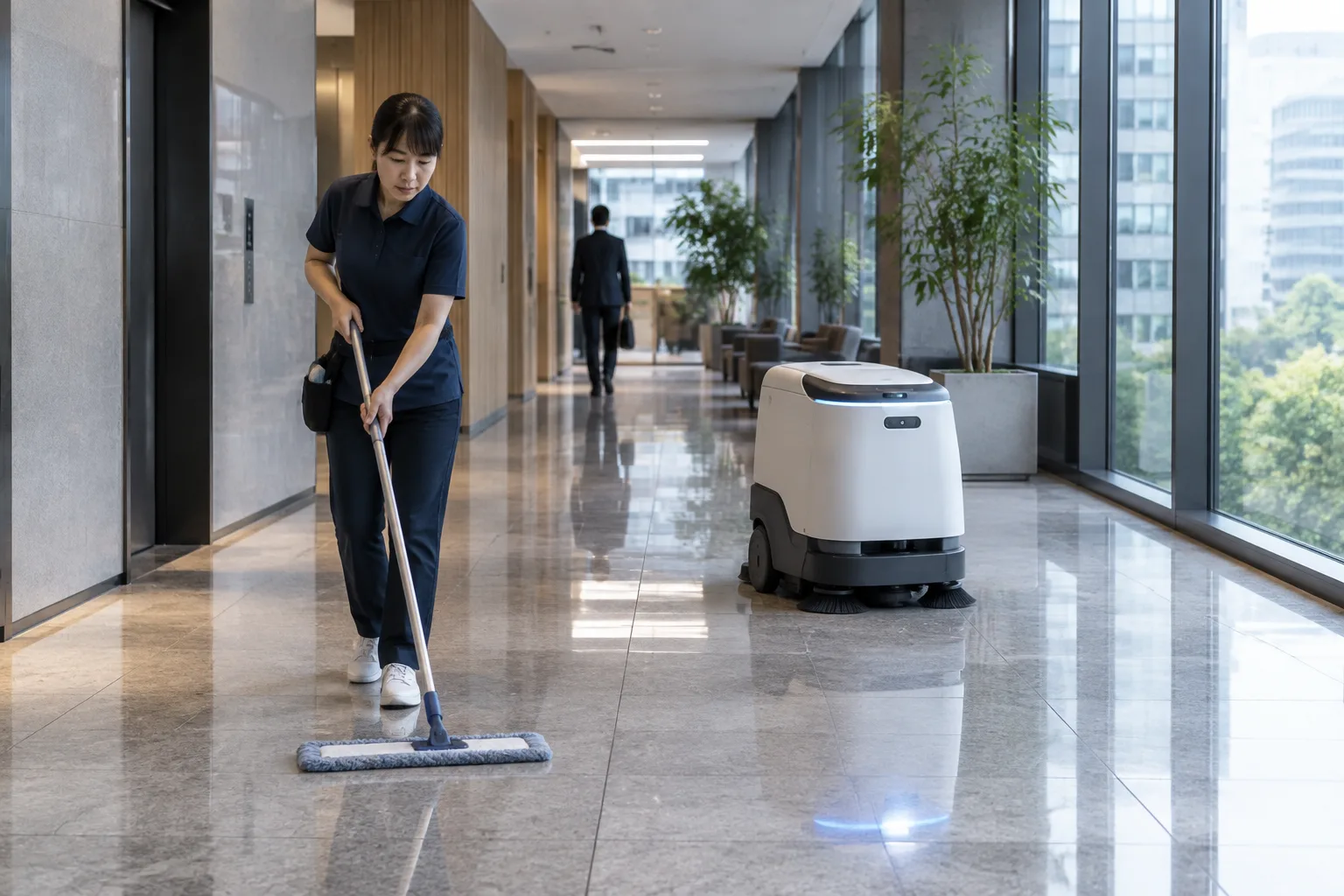
Osouji Kakumei plans 25 October openings, with 50-day training supporting a 460-unit network
Osouji Kakumei plans to open 25 franchise units across Japan in October 2026, taking its network to 460. Its 50-day training programme and mobile service model support new owners from varied career backgrounds.
Published
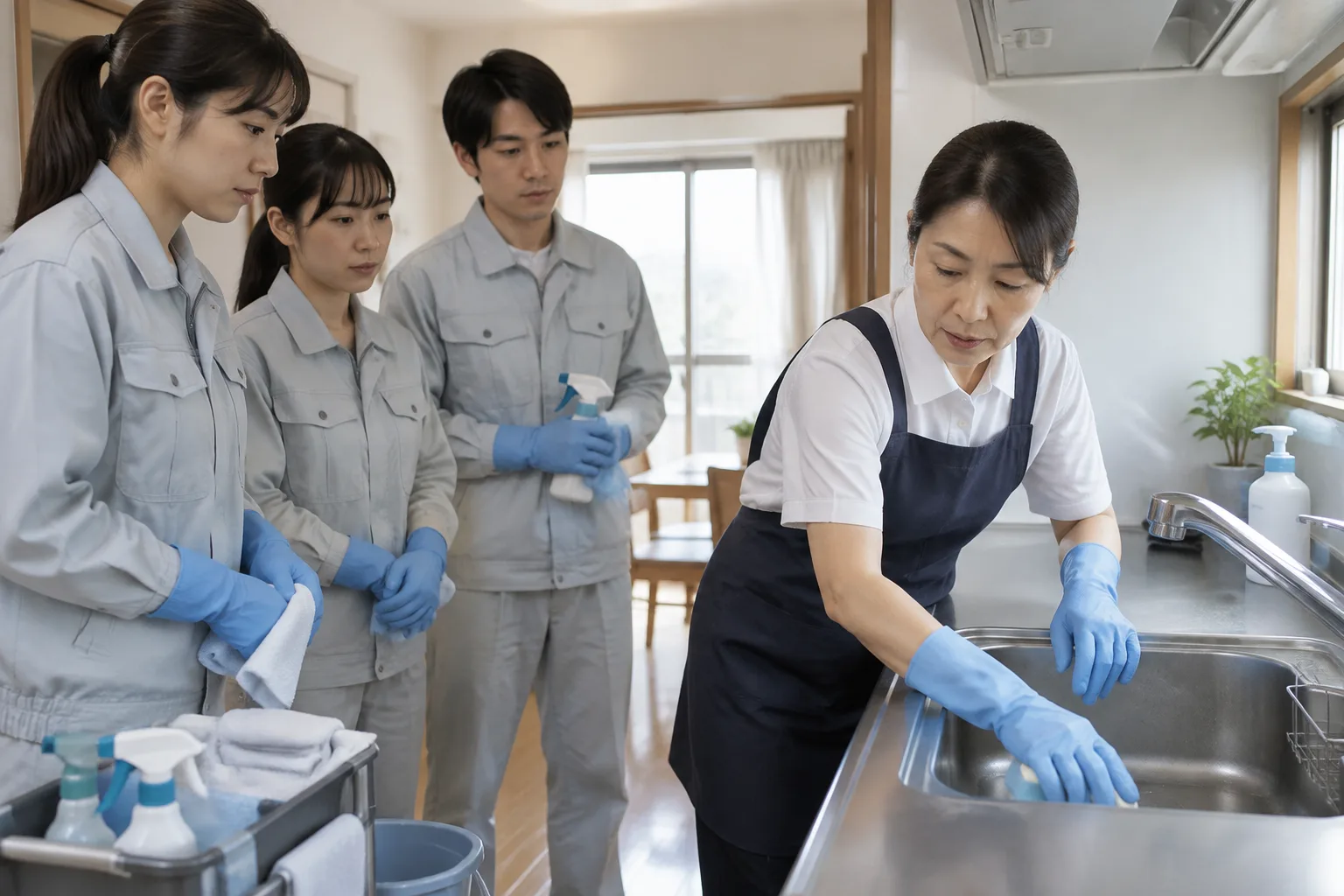
Osouji Kakumei, a franchise brand providing domestic and commercial cleaning services, plans to open 25 new units across Japan in October 2026, bringing its nationwide network to 460. Its operator, KIREI produce Co., Ltd., announced the plans on 30 September. The new owners come from a range of professional backgrounds and will launch their own local businesses after training in cleaning techniques and customer service.
25 new units expand local service coverage
KIREI produce, which operates Osouji Kakumei, is headquartered in Minato, Tokyo, and was established in May 2010. Its president is Tomoaki Fukui. The company runs a cleaning franchise covering homes as well as commercial premises such as shops and offices.
The company announced that 25 new units would open across Japan in October. The nationwide total of 460 includes these planned openings. It should therefore be understood as the projected network size for October, rather than confirmation that all 25 units were already trading when the announcement was made.
According to the company, the incoming owners have varied career backgrounds and experience. They learn cleaning techniques and customer service under a shared brand, while taking responsibility for their own businesses in their respective areas. For the franchise community, this represents not only a larger network but also the arrival of new operators delivering local services.
When assessing the announcement, it is important to distinguish between the nationwide unit count and the services each owner actually provides. The size of the network indicates the brand’s reach, but it is trained local owners who carry out cleaning in customers’ homes and business premises. This makes the training behind each launch particularly relevant.
A 50-day training programme supports first-time operators
The company identifies its proprietary 50-day training programme as a central part of its support for people starting their own businesses. It says that even those with no cleaning experience can learn cleaning techniques and customer service through the programme as they prepare to launch as franchise owners. The owners opening these new units will also have completed this training before starting their businesses.
The inclusion of customer service is worth examining when considering a business that visits customers at their premises. Osouji Kakumei serves not only homes but also shops and offices. Its pre-opening preparation therefore combines practical cleaning skills with learning how to deal with customers.
However, the claim that someone can work towards opening a business without prior experience is separate from whether the preparation is sufficient for any particular applicant. Prospective franchisees should look beyond the programme’s 50-day duration and ask which tasks it covers, how customer interactions are practised and how gaps in their own experience will be addressed.
Fitting the training period around personal and work commitments is also part of preparing to become self-employed. Participants with different career histories will not all need the same preparation. Alongside brand recognition and network size, a clear understanding of the steps required to become a service provider should inform any decision to join.
The unit count refers to mobile service businesses
Osouji Kakumei is a franchise that operates without customer-facing shops, with owners visiting customers’ homes, shops and offices to deliver services. The 25 new openings do not mean that 25 physical retail premises will be established to receive customers. They are better understood as the launch of local businesses providing on-site cleaning services.
The company explains that this model avoids the premises acquisition costs, fit-out costs and stock required by businesses such as restaurants and convenience stores, making it easier to keep the initial investment down. The components of setting up the business therefore differ from those of a model requiring premises equipped to serve visiting customers.
However, a potentially lower initial investment does not remove the need for financial planning or guarantee profits after launch. Prospective franchisees should not base their decision solely on a comparison with shop-based businesses. They need to identify both the start-up costs they will bear and the ongoing expenditure required to keep trading.
A mobile service model also calls for questions about day-to-day operations, including the area to be covered and how customer visits will be scheduled. These are considerations for tailoring pre-investment questions to the business model, not an indication that the announcement provides evidence of individual profitability. The scale of the 460-unit national network should be assessed separately from an owner’s operating plan for their own territory.
Assessing survival rates and support before joining
KIREI produce reports a five-year franchisee survival rate of 95%, based on its own internal figures as of August 2026. This offers information about business continuity after opening, but it does not measure turnover or profit margins. Prospective franchisees should avoid confusing a survival metric with the income and expenditure they expect for their own business.
Before using this figure to inform a decision, applicants should check which businesses were included and how the rate was calculated, then consider it against their intended working arrangements and business scale. The continued operation of existing franchisees may be a useful reference point, but it does not guarantee the same outcomes for new entrants.
The company’s franchise recruitment page outlines the opening process, training and support available to applicants. When making enquiries, distinguishing between what is taught before launch and the advice available afterwards can help clarify the support package. An announcement of new openings such as this is an opportunity to examine not just network size, but also the preparation required to start and the support for ongoing operations.
Practical takeaway: Prospective franchisees should check the specific content of the 50-day training programme, the costs of operating without a customer-facing shop and the support available after opening. Rather than relying solely on national scale or survival rates, they should translate this information into an operating plan and financial plan for their own local market.