
Raising franchise standards in Japan
Independent guidance, professional development and a shared code of conduct for franchisors, franchisees and people exploring their next opportunity.

Independent guidance, professional development and a shared code of conduct for franchisors, franchisees and people exploring their next opportunity.
Japan’s franchise story took shape in the early 1960s, with Duskin and Fujiya beginning franchise expansion in 1963. Japanese businesses drew on American approaches, adapting them to activities including cleaning equipment rental and confectionery retailing. Further expansion followed through dry cleaning and dining, while American restaurant brands entered Japan in the 1970s. Seven-Eleven’s development in Japan began in 1974, helping establish convenience stores as a prominent part of the country’s franchise landscape.
Established in 1972, the Japan Franchise Association supports the healthy development of franchising through research, standards, public information and consultation. Today, Japan has a mature franchise market spanning retail, food and services, including convenience stores, izakaya and ramen shops. Its 2023 market figures show 1,285 chains, approximately 250,000 outlets and around ¥28 trillion in sales, with all three measures increasing from the previous year. These figures describe franchise chains’ overall networks, rather than a count of independently owned franchise businesses alone.












QFA supports the franchise community with a code of conduct, free guidance and professional learning designed to promote responsible growth.

One quality framework, adapted for each national market.






Anytime Fitness membership in Japan exceeded 1.2 million at the end of July 2026, with 1,282 gyms nationwide. The opening of its Nishi-Koyama gym also marked the brand’s 6,000th location worldwide.
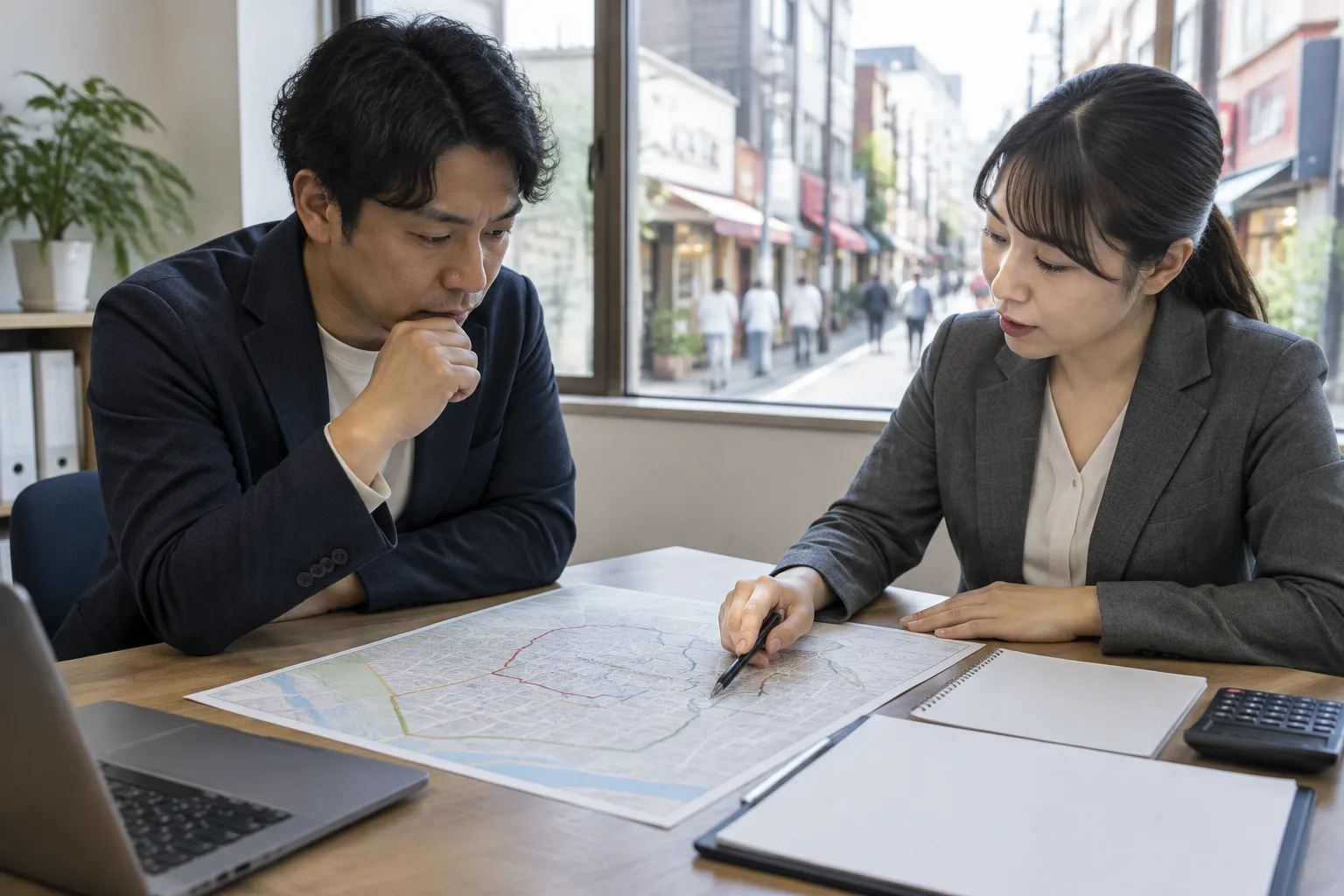
A proposed location’s catchment area is not necessarily a contractually protected territory. Here is how to check territorial rights, nearby openings and delivery arrangements in disclosure documents and franchise agreements.

Are you treating company-owned outlet profits as a forecast of franchisee earnings? For businesses developing a franchise network in Japan, this guide explains how to build an evidence-based financial model and present and disclose it properly.