Decide how far franchisees may sell online before recruitment begins. This article explains how to set rules that protect quality while respecting franchisees’ independence, rather than relying on blanket bans.
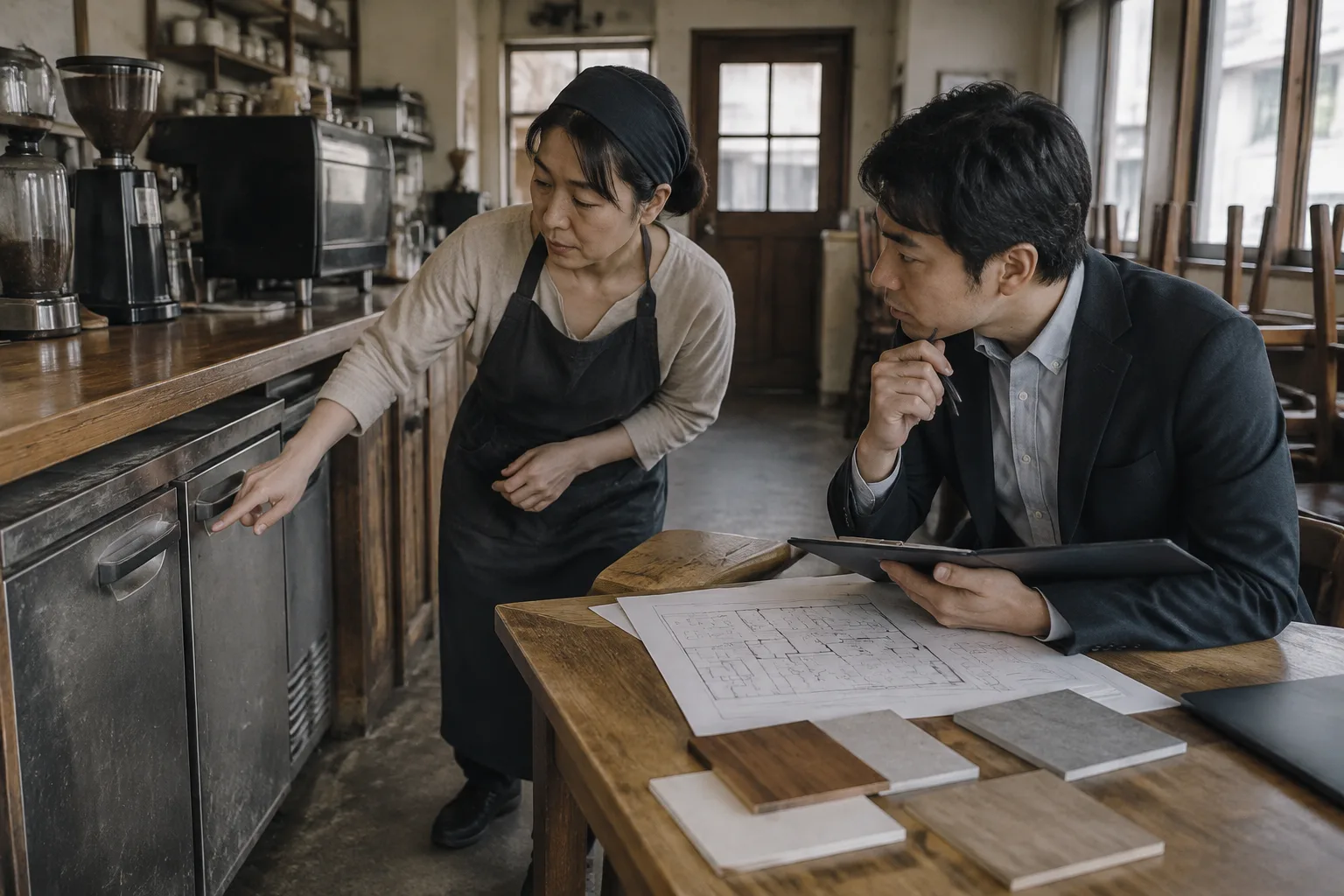
If you require franchisees to refurbish premises or replace equipment, you need to plan not just why the work is necessary, but who pays and when it happens. This article explains what to agree before signing and how to test the process at company-owned outlets in Japan.
How should you assess a prospective franchisee’s finances, operating arrangements and understanding of business management? This guide explains how businesses preparing to franchise can establish assessment criteria and approval procedures.
Pre-opening training needs clear completion standards, not just a set number of days. Define who must attend, how skills will be assessed, who pays for retraining and what happens if someone does not pass.
Are you requiring franchisees to use the same prices as your company-owned outlets? Review how you communicate recommended prices, handle discounts and configure pricing systems to support compliance with Japan’s Antimonopoly Act.
Even an arrangement called a ‘licence agreement’ may qualify as a specified chain business under Japanese law. Before franchising an existing business, check the six criteria against how the proposed arrangement will work in practice.
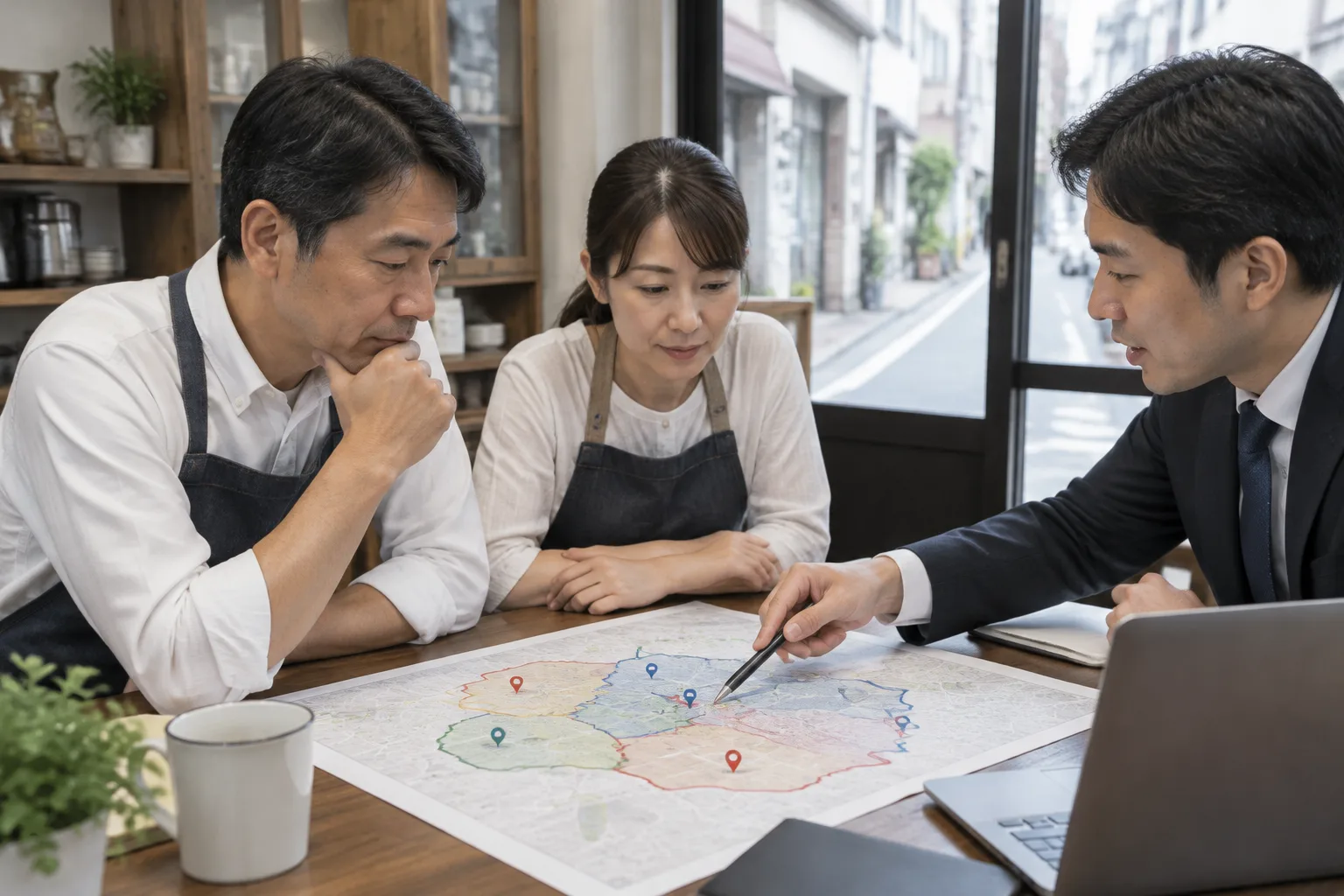
How can you protect franchisees’ trading territories while allowing the network to expand? A practical guide to defining territory rights, handling online sales and assessing nearby openings in Japan.
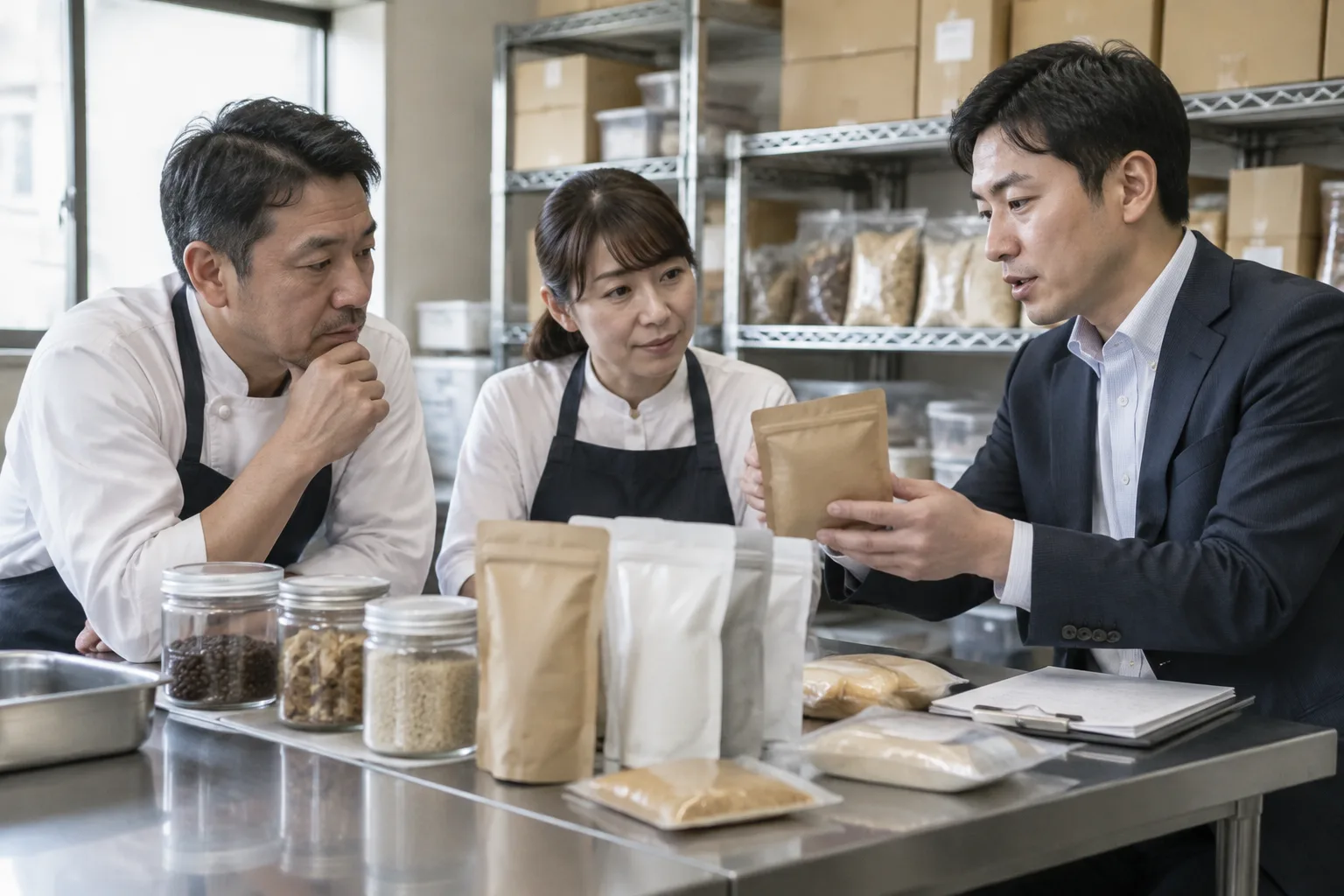
Suppliers used by company-owned outlets are not automatically suitable as mandatory suppliers for franchisees. Establish why restrictions are needed, explain prices and delivery costs, and set out alternative sourcing procedures to create clear, reasonable purchasing terms.
The cost of royalties depends not just on the rate, but also on which sales count and how returns and discounts are treated. This guide explains how businesses becoming franchisors in Japan can establish clear calculation rules and verification procedures.
Can franchisees replicate the success of a company-owned outlet? Learn how to test operations without relying on the founder, identify gaps in your manual, uncover hidden head office work and assess the demands placed on franchisees.
Pre-contract disclosure involves more than handing over documents. Learn how to check which Japanese disclosure requirements apply and establish a process covering explanations, questions, time for consideration and approval to sign.
You may not be entitled to let franchisees use your existing trading name or logo. This guide explains the trade mark rights, permitted uses and approval procedures to check before recruiting franchisees in Japan.
Franchise exit arrangements need more than a termination fee. Explore the rules an existing business needs when franchising in Japan, from notice and opportunities to remedy breaches to customer care and final settlement.
Are you using strong results from company-owned outlets as franchisee profit forecasts without adjustment? This guide explains how to select comparable outlets, adjust costs, test downside scenarios and retain supporting evidence before recruiting franchisees in Japan.
Discrepancies between franchise agreements, fee schedules, disclosure documents and recruitment materials can lead to misunderstandings once a franchisee joins. This practical guide explains how to clarify each document’s role and order of precedence before recruiting franchisees in Japan.
When one franchisee operates several outlets, it is important to decide which contractual terms, fees and consequences of breach apply to each outlet separately. Here are the conditions to settle before approving further openings.
Before requiring franchisees to use booking, sales management or other systems, clarify their purpose, who pays and what happens during an outage. This guide explains how to align contracts with day-to-day operations under Japanese regulations.
Prospective franchisees assess not only outlet profitability but also whether the franchisor can sustain its support. This practical guide explains how to organise financial records and litigation information for clear, accurate disclosure in Japan.
The way outlets are counted can change how a franchise opportunity appears to prospective franchisees. This guide explains how franchisors in Japan should distinguish company-owned and franchised outlets, record closures and transfers, and reconcile figures across disclosure and recruitment materials.
The cost of unsold and expired products can make or break franchisee profitability. This article explains what to put in place before recruiting franchisees, from testing in company-owned outlets to setting return conditions, recording disposals and reflecting the arrangements in contracts.
A franchisor’s approval of a site is separate from responsibility for leasing it. This guide explains how to allocate site checks, lease obligations and the costs of delayed openings before recruiting franchisees in Japan.
Avoid presenting company-owned outlet results as a guarantee of franchisee profits. Understand the differences between sales and profit guarantees and loss compensation, and define coverage, claims and payment procedures.
Before entrusting franchise recruitment to employees or referral agencies, clarify what they can explain, which commitments they cannot make and how they should seek approval from the franchisor. Here are practical steps to prevent overpromising during recruitment in Japan.
A contract that excludes all franchisor liability can undermine trust with franchisees. This article explains how to align support obligations, exclusions of liability and caps on damages in practice.
To reproduce company-owned outlet quality across a franchise network, you need to distinguish non-negotiable standards from areas where local adaptation is allowed. Here is how to define approvals for new products and services, from trials and contract terms to who pays.
Before asking franchisees for joint and several guarantees or security, identify the debts the franchisor needs to protect and the extent of the liability involved. This practical guide covers liability caps for personal continuing guarantees, pre-contract explanations and managing the end of a guarantee.
A shared brand does not make the franchisor and franchisee the same business. Learn how to identify the operator clearly in shops, booking screens, receipts and job adverts, and align contracts with day-to-day practice in Japan.
Before recruiting more franchisees, check how many outlets your head office can support. This practical guide covers measuring support workloads, allocating staff, avoiding overlapping openings and setting criteria for pausing recruitment.
Prevent disagreements between franchisors and franchisees from becoming prolonged disputes. This practical guide explains how to connect complaint channels, records of discussions, third-party involvement and contract terms.
Prepare for changes in franchise ownership by setting clear approval criteria, contract transfer procedures, fees and training requirements. This guide explains what businesses building a franchise network in Japan should establish before recruiting franchisees.
Who receives, assesses and resolves complaints and incidents at franchised outlets? Learn how to align contracts, response procedures and cost allocation while recognising that franchisors and franchisees are independent businesses.
Licences held by company-owned outlets do not necessarily cover franchisees. This guide explains how to allocate responsibility for regulatory checks, investigate premises before signing a lease and set opening criteria that support a realistic launch.
Before recruiting franchisees, establish how to assess changes to contract terms and secure agreement. This guide explains how to communicate the reasons, assess the impact and keep records, so that franchisor-led improvements do not become unilaterally imposed burdens.
Before lending to franchisees or introducing them to lenders in Japan, franchisors should define the scope of support, disclose the terms and keep franchise approval separate from lending decisions.
Franchise agreement renewals should be planned before recruitment begins, not just before contracts expire. Clear renewal conditions, reviews, fees and explanations of changes lay the foundations for a franchise community built on lasting cooperation.
Support for struggling franchisees is a head-office function to design before recruitment begins. Set out practical procedures covering initial enquiries, cash-flow checks, improvement plans and the limits of support.
Broad non-compete obligations do not necessarily offer better protection. This practical guide explains how to define the activities, duration, geographical scope and exceptions, starting with the know-how you need to protect.
If the franchisor collects franchisees’ sales proceeds, the rules must cover more than payment dates: deductions, refunds and discrepancies also need to be addressed. This article explains the financial responsibilities involved and Japan’s disclosure requirements.
How should you separate franchise fees, security deposits and pre-opening charges, and when should you collect them? This guide helps franchisors in Japan establish the basis for charges, refund conditions and arrangements for delayed openings.
A non-disclosure agreement alone is not enough to protect proprietary know-how while sharing it with franchisees. Before recruiting franchisees, put information classifications, staged disclosure, access permissions and leak response procedures in place.
Are you simply requiring franchisees to follow your company-owned outlets’ opening hours? Assess profitability by time slot, establish a process for discussing changes and clarify who can authorise temporary closures to create sustainable operating rules.
Before collecting shared advertising contributions from franchisees, decide how the money will be used, how costs will be shared and how results will be reported. This practical guide explains how to manage advertising funds transparently within Japan’s legal framework.
Requiring franchisees to refurbish premises or upgrade equipment means planning not just who pays, but when work is required and how decisions are made. This guide explains the contract terms, investment assessments and consultation procedures to establish before recruiting franchisees in Japan.
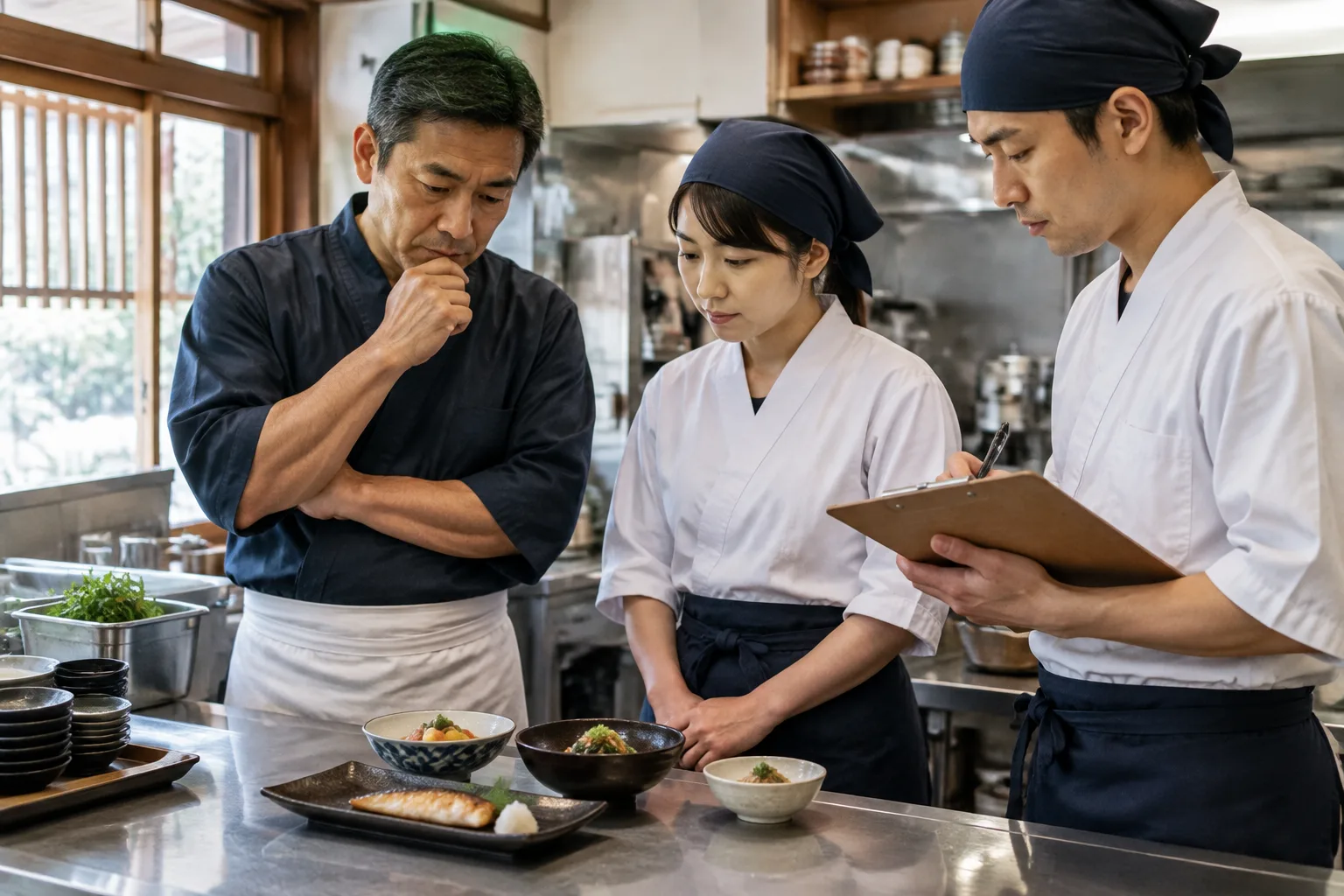
Protecting store standards takes more than inspections: it requires a system that supports improvement. This guide explains the audit criteria, store visit procedures and corrective action plans to put in place before recruiting franchisees, alongside key considerations under Japanese law.
Design pre-opening training around the ability to run an outlet, not hours of attendance. This guide explains how to establish competency standards, practical assessments, retraining and responsibility for delayed-opening costs before recruiting franchisees.
Are you imposing company-owned outlets’ pricing rules on franchisees? Learn how to structure recommended prices, discounts and network-wide vouchers while respecting franchisees’ independence in Japan.
Someone who can pay the franchise fee is not necessarily someone who can sustain a business. This guide explains how businesses becoming franchisors in Japan can establish selection criteria, interviews and approval procedures for prospective franchisees.
To prevent competition between franchisees, distinguish catchment areas from contractual territorial rights before recruitment begins. This practical guide covers store locations, online orders and consultation over nearby openings in Japan.
Are you simply imposing your company-owned outlets’ purchasing practices on franchisees? This guide explains how to design sourcing requirements, ordering rules and stock shortage procedures that balance consistent quality with franchisee independence in Japan.
Royalties should be designed around not just the rate, but also the support provided and the calculation rules. This guide explains how businesses preparing to franchise in Japan can structure fees and incorporate them into their agreements.
Can the success of a company-owned outlet be replicated by franchisees? A pilot run without the founder’s day-to-day involvement can test quality, staff training and head office support, giving you clear criteria for deciding when to start recruiting franchisees.
Before recruiting franchisees, establish a process for preparing disclosure documents, explaining the terms, answering questions and keeping records. This guide outlines practical steps for smaller franchisors, taking account of Japanese law.
Using a trading name for years does not necessarily mean franchisees can use it with confidence. This guide explains the steps franchisors in Japan should take, from trade mark searches and ownership checks to licensing and recruitment disclosures.
Before taking on your first franchisee, clarify exit costs, the cessation of trade mark use and responsibilities towards customers. This guide explains how to design fair exit terms for franchisors and franchisees, taking Japan’s disclosure requirements into account.
Are you simply handing franchisees the procedures used in your company-owned outlets? Learn how to create an operations manual they can use, from pilot testing and alignment with contracts to allocating the costs of revisions.
Are you treating company-owned outlet profits as a forecast of franchisee earnings? For businesses developing a franchise network in Japan, this guide explains how to build an evidence-based financial model and present and disclose it properly.