LEE GIMBAP opens Tokyo flagship in Fudomae, targeting franchise expansion with a Japan-focused model
South Korean chain LEE GIMBAP has entered Japan with a flagship outlet in Tokyo’s Shinagawa ward. Combining a locally adapted menu with multiple sales channels, it aims to expand through franchising in key commercial locations.
Published
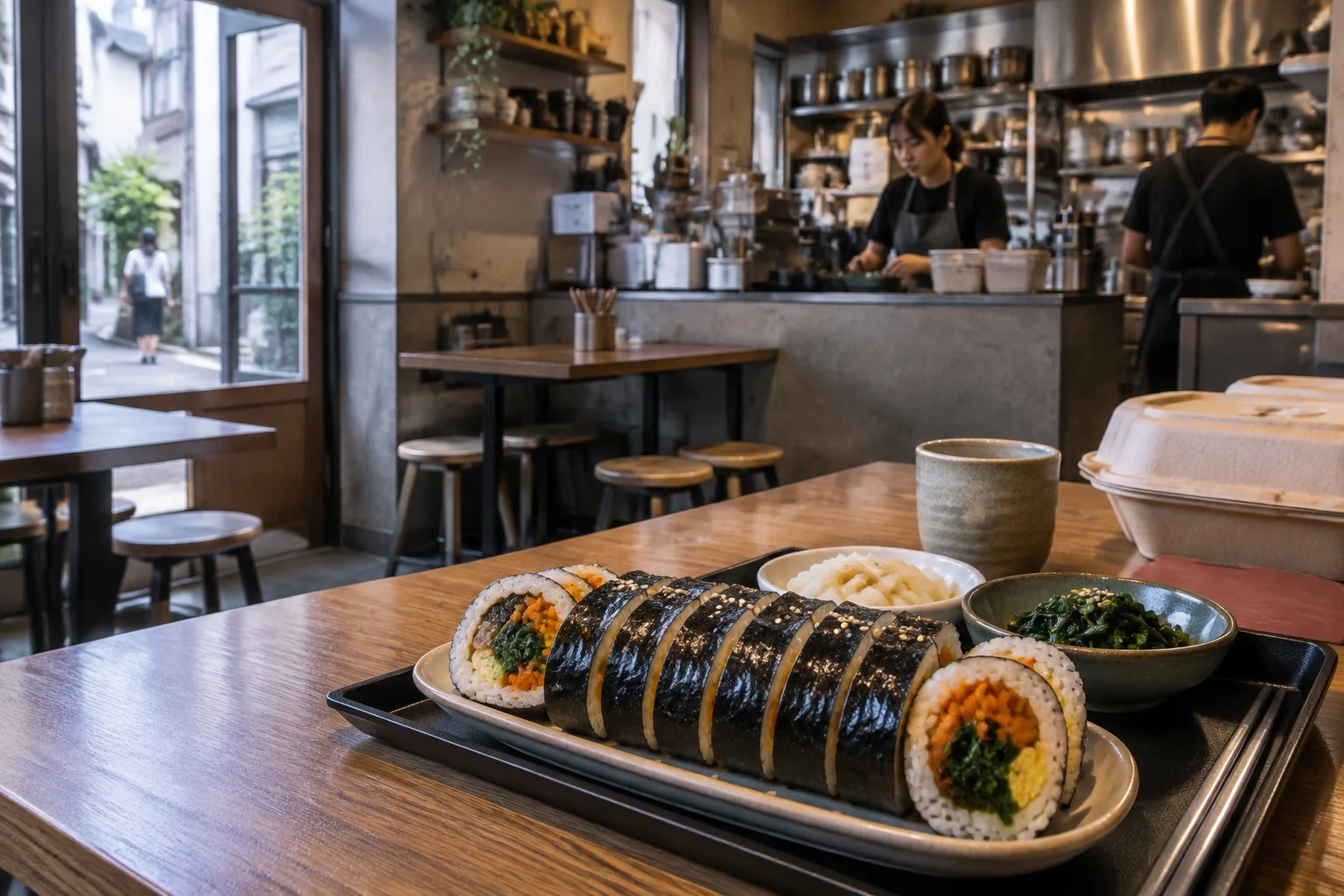
South Korean restaurant chain LEE GIMBAP has entered the Japanese market with the opening of its Meguro Fudomae flagship outlet in Tokyo’s Shinagawa ward. According to a MARKETECH APAC report dated 27 October 2026, the company aims to develop a scalable fast-casual franchise network in key commercial locations, supported by products and a store model tailored to Japan.
A flagship launch to anchor expansion in Japan
The Japanese launch is being led by StandardBridge Japan, a subsidiary established in Tokyo by StandardBridge in December 2025. The company is drawing on franchise operating expertise developed in South Korea to build its presence in Japan.
The Meguro Fudomae flagship serves as its entry point into the market. Rather than simply replicating its South Korean outlets, the business is focusing on menus and ways of serving customers that suit Japanese consumers. Its stated approach is to tap into demand for Korean food while laying the foundations for a wider store network.
However, the announcement covers the flagship opening and plans to build a franchise network. It does not announce the start of nationwide franchise recruitment or the signing of franchise agreements. The outlet that has opened should therefore be distinguished from the expansion the company hopes to achieve.
A locally adapted menu and multiple sales channels
The Tokyo flagship offers a menu adapted to Japanese consumers. Alongside its core range of gimbap — Korean seaweed rice rolls — it serves side dishes and set meals.
StandardBridge Japan is adapting both its store model and menu to accommodate dine-in, takeaway, delivery and sales of prepared food products. The market entry strategy therefore addresses not only which products to introduce, but also how to get them to customers.
For prospective franchise investors, a key question is how this Japan-focused model will translate into future store openings. Further details will be needed to establish whether future franchise outlets will use the same product range, store specifications and sales channels as the flagship.
Entering Japan with support for overseas expansion
LEE GIMBAP was selected for KOTRA’s 2025 programme supporting the overseas expansion of service business models. The support is intended to help with international franchise development, overseas marketing and exports of frozen gimbap.
The move into Japan forms part of this broader overseas expansion. Through the launch, StandardBridge Japan aims to strengthen the brand’s international presence and pursue long-term growth in major Asian markets.
However, support for frozen gimbap exports is a separate matter from the food supply arrangements used by the Japanese flagship or any future franchise outlets. When assessing supply arrangements for stores in Japan, prospective investors should examine the specific local operating terms rather than draw conclusions from the scope of the support programme alone.
Tastings and social media promotion support the launch
Ahead of the opening, StandardBridge Japan held media tasting events on 20 and 21 October. It also ran a four-day launch promotion ending on 25 October, offering menu discounts linked to customer engagement with its official LINE and Instagram accounts.
The launch combined locally adapted products with media outreach and social media promotion. These initiatives were designed to build awareness at opening and should not be treated as evidence of sustained customer demand or franchisee profitability.
The next details prospective franchise investors will want to see are the franchise terms, operational support and supply arrangements developed from the flagship’s experience. Anyone considering a franchise should assess not only the Japan-specific products and sales channels, but also the conditions needed to deliver them consistently in day-to-day store operations.