Kyochon Chicken plans Japan return with multi-unit franchise launch in Tokyo in first half of 2027
Kyochon Chicken has signed a strategic business agreement with Arai Shoji. It aims to open in Tokyo in the first half of 2027, then expand into surrounding cities under a franchise model allowing multiple outlets within an agreed territory.
Published
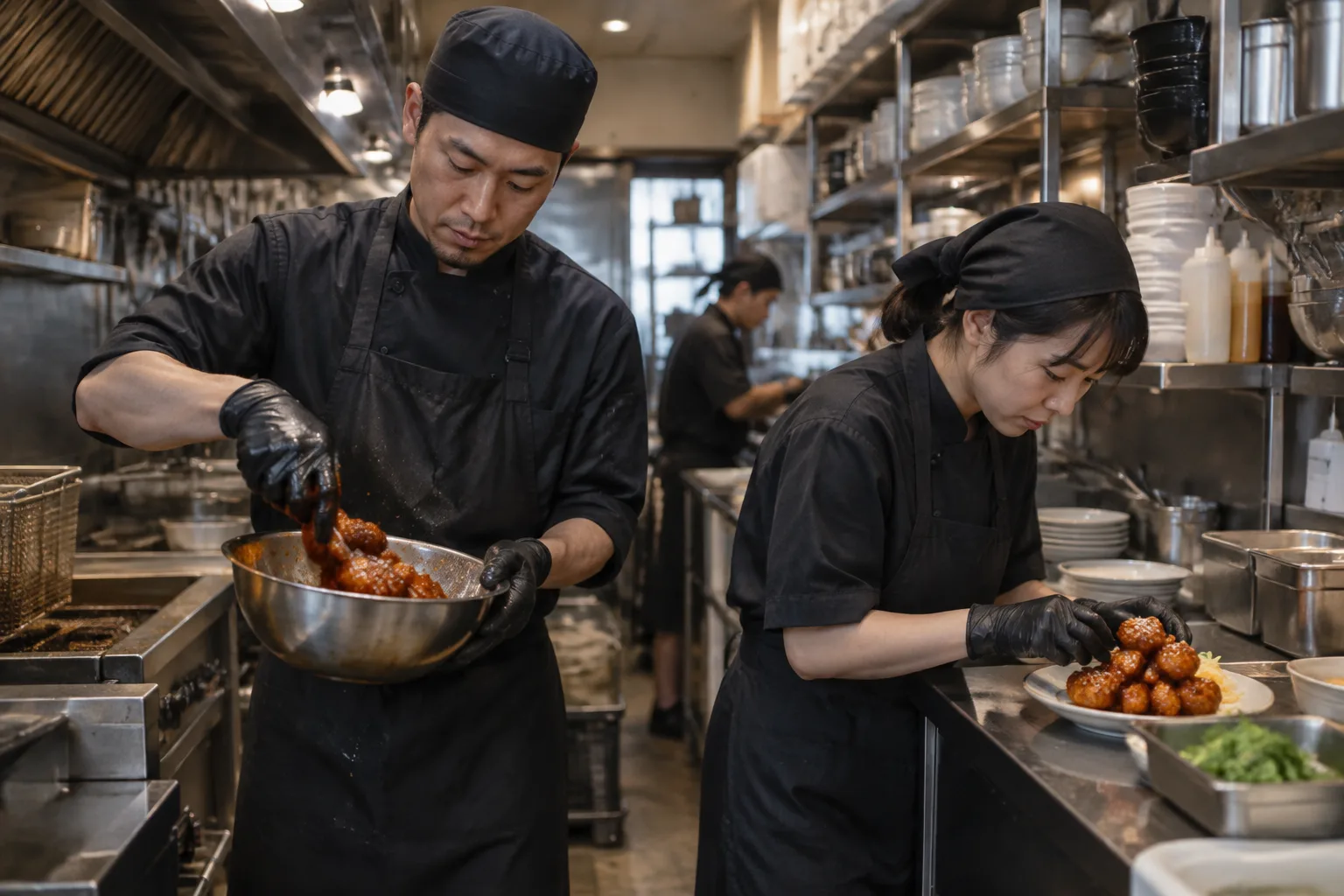
South Korean chicken brand Kyochon Chicken is planning to re-enter the Japanese market. Its operator, Kyochon F&B, announced on 6 October 2026 that it had signed a strategic business agreement with Japanese company Arai Shoji. The brand aims to open its first outlet on its return to Japan in Tokyo in the first half of 2027, using a franchise model that allows the operation of multiple outlets.
Phased expansion from Tokyo into surrounding cities
According to a 6 October report by South Korean business publication New Daily Economy, the two companies signed the agreement on 29 September. They will work together on quality control, marketing and operational training ahead of the Japanese launch. Alongside plans to increase outlet numbers, the partnership covers support for local operations.
The rollout will begin in Tokyo, with outlets then gradually opening in surrounding cities. The first half of 2027 is a target opening date, not an announcement of an outlet already trading. The news marks a step towards establishing a local partnership and resuming the brand’s expansion in Japan.
Arai Shoji is described as a partner with a local distribution network and experience in the Korean food business. Kyochon intends to draw on that foundation as it gradually expands its Japanese outlet network. The arrangement combines the brand’s quality control and operational training with its Japanese partner’s distribution and food business experience.
For those assessing Japan’s franchise market, the key questions go beyond the arrival of an overseas brand: who will run the local business, and which support functions will the partners share? This agreement explicitly identifies quality control, marketing and training as areas of co-operation.
A multi-unit model for operating several outlets within an agreed territory
The Japanese rollout will use a multi-unit franchise model. The report describes this as an arrangement allowing multiple outlets to be operated within an agreed territory. It provides a framework for a network of outlets rather than a single Tokyo opening.
It is important to distinguish between the franchise structure and actual progress with openings. The right to operate multiple outlets within a territory does not mean several will open at the same time. The announced plan is to target a Tokyo opening in the first half of 2027, followed by phased expansion into surrounding cities.
The multi-unit structure should also be considered alongside the planned co-operation on quality control and operational training. The agreement covers not only growth in outlet numbers but also support for day-to-day operations. The Japanese relaunch therefore brings together territorial expansion and operational support.
For prospective franchisees or business partners, a practical starting point is to distinguish territory-level agreements from the operation of individual outlets, rather than relying solely on the headline of a Japanese market entry. What has been established so far is the intention to use a multi-unit model and pursue the rollout with a local partner.
Previous Roppongi outlet closed after nine months
This will be Kyochon’s second attempt to enter Japan. In December 2015, it signed a master franchise agreement with Japanese foodservice company Food Planet and opened its first outlet in Tokyo’s Roppongi district. The premises covered 264 square metres.
However, the Roppongi outlet closed in August 2016, nine months after opening. The local operating company said at the time that it had decided to cease trading after considering the outlet’s future profitability. New Daily Economy reported that the closure effectively marked Kyochon’s withdrawal from Japan.
The new agreement comes around a decade after that closure. Whereas the previous venture involved a master franchise agreement with Food Planet, the latest plan is for a multi-unit rollout in co-operation with Arai Shoji. Both the local partner and the announced expansion framework differ from the earlier attempt.
The change in model alone, however, is not enough to assess the new venture’s profitability. The reported reason for the previous closure was the operator’s judgement about future profitability. For the new plan, too, opening targets and expansion ambitions should be assessed separately from actual operating results.
Linking international experience with a local operating structure
Kyochon currently operates overseas in markets including the United States, China, Malaysia, Indonesia, Taiwan and the United Arab Emirates. Its planned return to Japan builds on that international activity, but also represents a renewed attempt in a market where it has previously opened and closed an outlet.
The specific elements announced so far are a rollout from Tokyo into surrounding cities, a franchise structure allowing multiple outlets, and co-operation on quality control, marketing and operational training. Working with a partner that has local distribution networks and Korean food business experience is also part of the Japanese strategy.
The next milestone is the first Tokyo outlet, targeted for the first half of 2027. Those following the plan’s progress should track the initial opening and subsequent expansion into surrounding cities as separate stages.
Practical takeaway: When considering a franchise or partnership with an overseas brand, look beyond opening targets to check the agreed territory, responsibility for running multiple outlets, and the division of quality control and training duties. For this relaunch, too, sound assessment depends on distinguishing planned openings from proven operating performance.