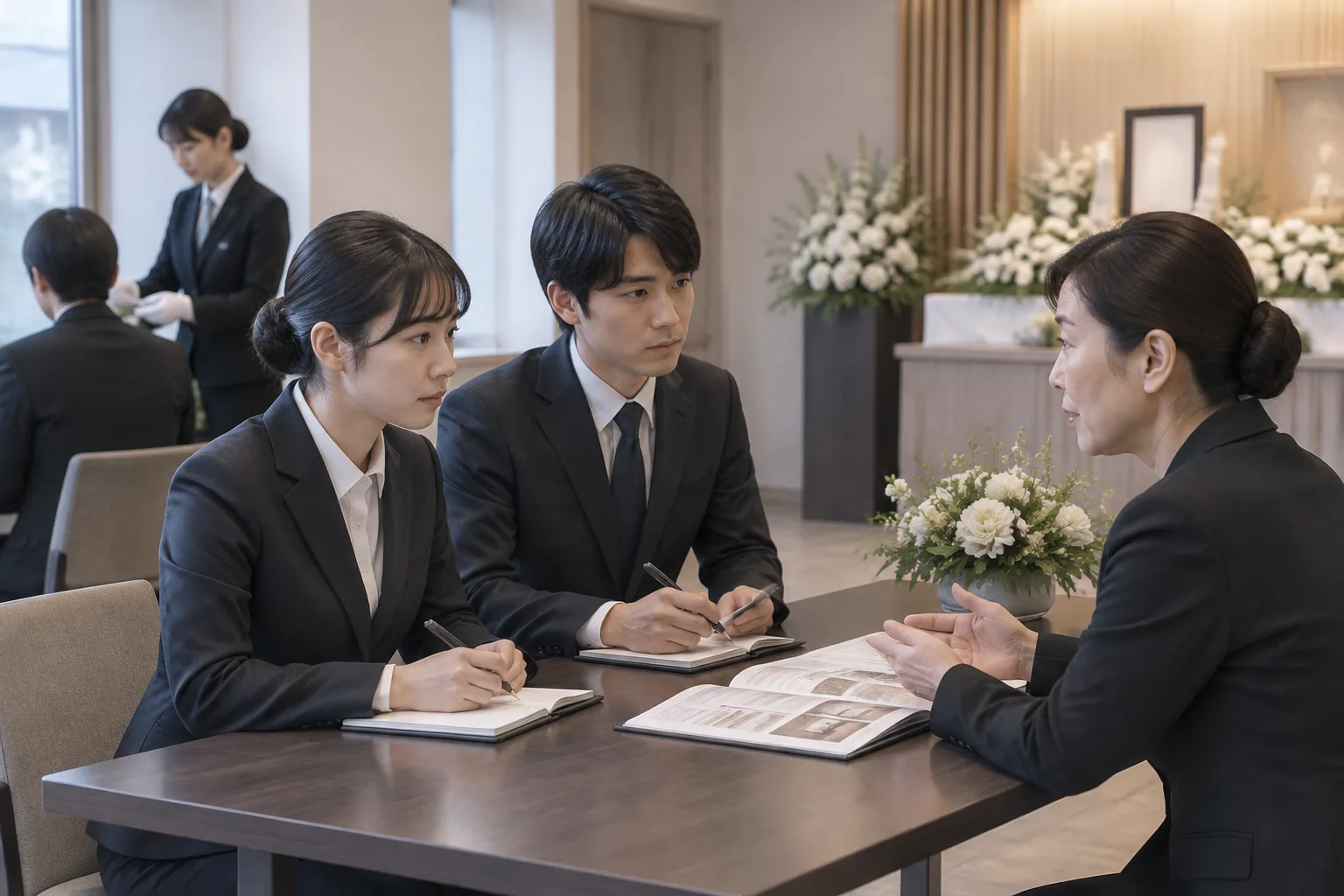
HITOWA adopts practical WBS training across departments following group integration
HITOWA, whose activities include franchising, has introduced practical project management training. HR and corporate planning teams joined IT staff as internal cross-department projects increased following the integration of group companies.
Published

HITOWA, whose activities include franchising, has introduced project management training across several departments. On 3 September 2026, System Integrator announced that it had delivered its ‘WBS Practical Skills Enhancement’ course to the group. The initiative followed an increase in internal projects involving departments such as human resources, corporate planning and information systems after the integration of group companies.
HR, corporate planning and information systems take part
According to the announcement, teams from several HITOWA group departments took part in the training. Participation extended beyond IT functions such as information systems to include non-IT departments, notably HR and corporate planning. It was described as the first initiative of its kind across the group.
The training provider, System Integrator, is based in Saitama, Japan. HITOWA selected its ‘WBS Practical Skills Enhancement’ project management course. The main facts confirmed by the announcement are that the course was delivered and that staff from multiple departments attended.
For the franchise community, the important distinction is that this was training in internal group project management, rather than customer service or business launch training for franchisees. Its focus was on how the organisation supporting service delivery works, rather than on services provided in individual outlets.
However, the information supplied does not confirm participant numbers, the training schedule or the detailed content of the exercises. The breadth of participation should therefore be considered separately from any results achieved through the training.
Group company integration in 2025–2026 provides the backdrop
Headquartered in Minato, Tokyo, HITOWA operates businesses in franchising, marketplaces, care services, childcare support and catering. The announcement puts the group's consolidated workforce at 8,398 as at 30 September 2025. This figure reflects the size of the whole group, not the number of employees in its franchise business or the number who attended the training.
The group integrated companies during 2025 and 2026. System Integrator's announcement explains that this led to an increase in internal projects involving multiple departments, including HR, corporate planning and information systems.
The training should be viewed in the context of this organisational change. As more work required departments with different expertise and responsibilities to collaborate, rather than being completed within a single department, participation was extended beyond IT teams.
The information supplied does not identify which integration initiatives or internal projects were covered in the training. The announcement alone does not establish that the course was intended to support a particular systems upgrade or changes to franchisee support arrangements.
What the franchise community can take from the news
This is an example of a diversified business group delivering training across departments. For those assessing how a franchisor operates, it offers a reason to look beyond outlet numbers and new openings to internal management structures and staff development.
However, the announcement does not state that HITOWA franchise owners or outlet staff attended. Nor does the material indicate that the training changed franchisee support, contractual terms or costs borne by franchisees. Prospective and existing franchisees should distinguish between an internal group training initiative and measures that apply directly to their own businesses.
Likewise, the information supplied contains no quantified results, such as time savings, cost reductions or improvements in franchisee profitability. The fact that several departments attended training should not be treated as evidence that operational efficiency improved.
The confirmed development is that staff were given an opportunity to learn across departmental boundaries as internal projects increased following group company integration. Any future assessment of the initiative would benefit from information about which working practices became established after the training.
Franchisor management: check how training is put into practice
Franchisors considering similar training could start by mapping the work in their own organisations that involves several departments. Practical considerations include identifying which teams are involved, who manages progress and when decisions are made, before defining the training's purpose and intended participants.
These are suggested points for consideration based on the announcement, not a description of a process confirmed at HITOWA. Rather than simply comparing course titles or participant numbers, organisations should link their coordination challenges to the situations in which staff will use what they learn.
Franchisees may also find it easier to assess a franchisor's training initiatives by checking how they feed through into communication and support for their own outlets. An internal initiative will not necessarily lead to immediate changes at outlet level.
Practical takeaway: When assessing efforts to strengthen a franchisor's organisation, distinguish between the delivery of training and the results it produces. In HITOWA's case, the starting point is the confirmed introduction of cross-department training following group integration.