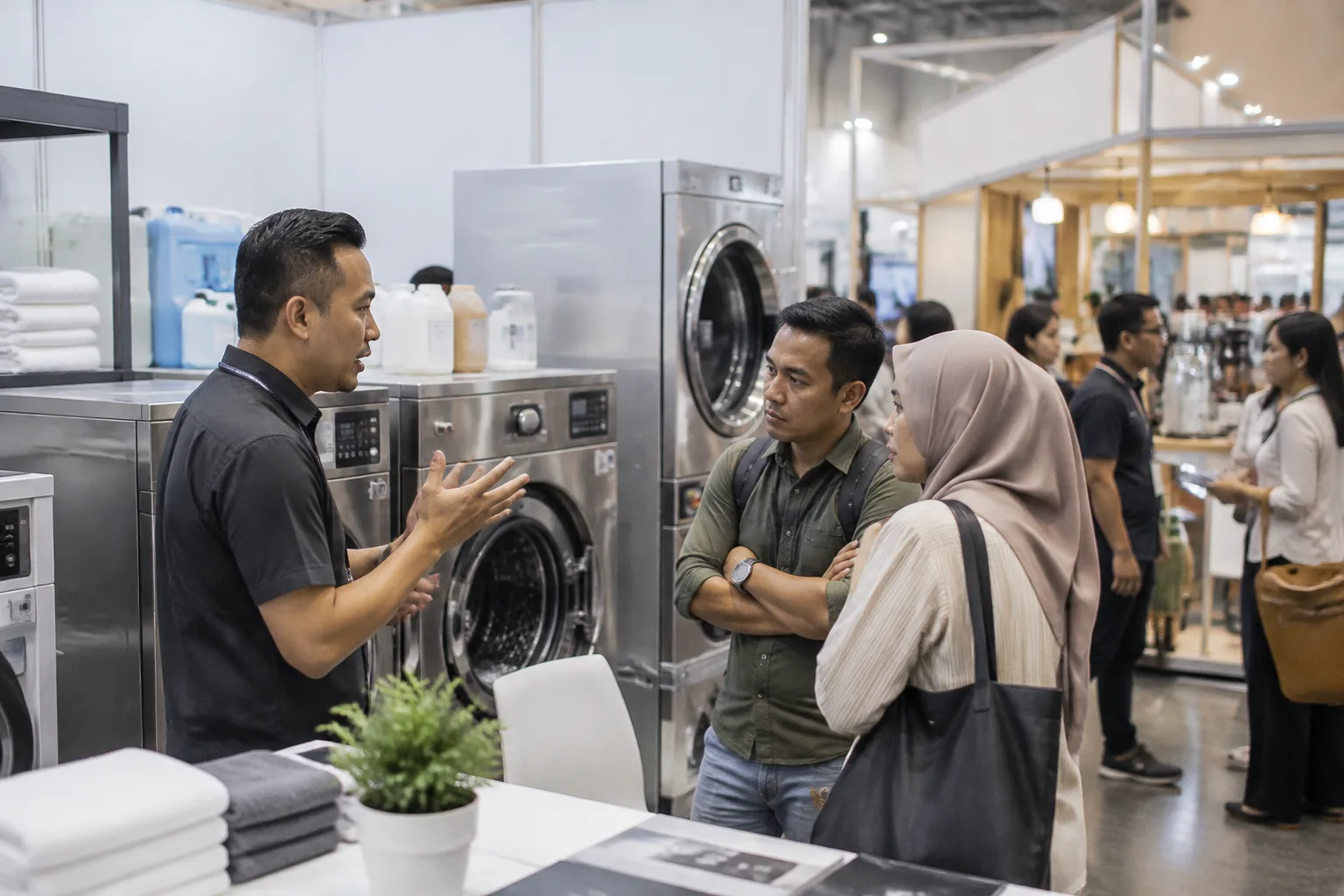
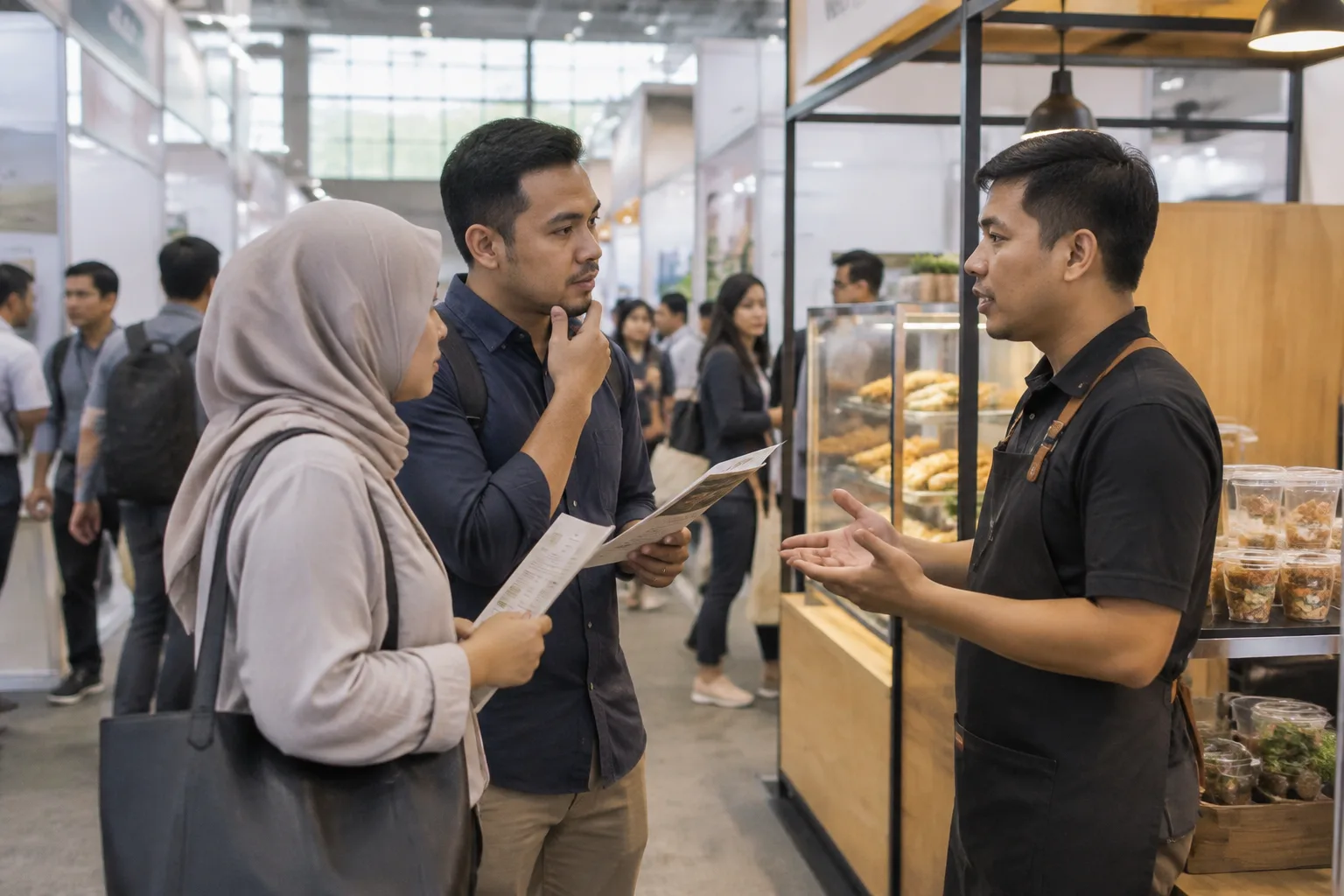
IFBC BSD 2026 Offers Three Free Business Advice Clinics
Three business advice clinics at IFBC BSD 2026 offer free consultations for prospective partners exploring opportunities from 250 franchise and MSME brands.
Published
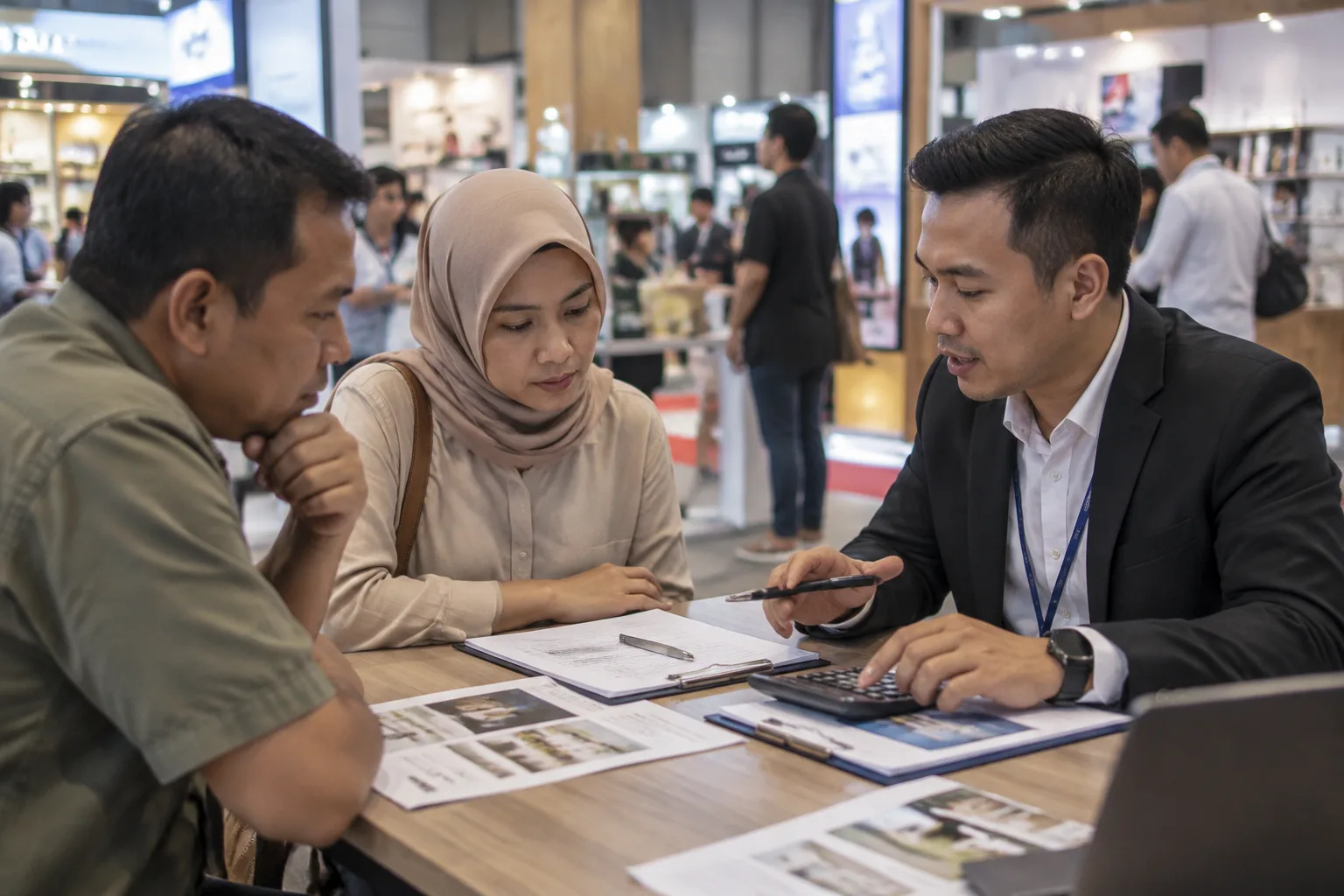
The Info Franchise & Business Concept Expo (IFBC) 2026 at ICE BSD in Tangerang, Indonesia, features three business advice clinics offering free consultations and guidance during the event on 6–8 November 2026. These services give prospective franchise and business partners an opportunity to seek advice, rather than simply browse investment offers.
Guidance Alongside Partnership Opportunities
According to a JPNN report dated 8 November 2026, the services comprise business advice clinics run by the Ministry of Trade, the Ministry of Micro, Small and Medium Enterprises (MSMEs), and the Indonesian Franchise Association (AFI). Free consultations and guidance are available throughout the exhibition.
This 182nd edition of IFBC is organised by AFI and PT Neo Expo Promosindo. It concludes the six-city IFBC tour, part of an exhibition series running since 2006. Its theme, “Grow Beyond Boundaries”, aims to strengthen competitiveness and encourage entrepreneurship.
The three business advice clinics are an important part of that agenda. With so many brands to choose from, prospective business owners can seek clarification through these advisory services as well as speaking directly to companies offering partnerships.
For those considering a franchise, the opportunity to ask questions before making a decision deserves as much attention as the price on offer. Consultations should be used to clarify unfamiliar points, not treated as a substitute for reviewing documents or independently assessing business viability.
A More Structured Comparison of 250 Brands
The exhibition features 250 franchise and MSME brands across a range of sectors. Partnership investment options include packages around Rp10 million (10 million Indonesian rupiah), with some available below that level. This range of investment amounts gives visitors a starting point for filtering opportunities according to their available capital.
JPNN reports that visitors can consult exhibitors directly, compare investment projections and access special partnership promotions during the exhibition. However, initial capital requirements and promotional offers should not be the sole basis for choosing a business partner.
Prospective partners can prepare the same set of questions for each brand to make comparisons more structured. These might cover what is included in the investment package, any additional costs to budget for, the support provided when opening an outlet, and each party’s responsibilities once the business is operating.
Investment projections should also be treated as material for assessment, not a guarantee of results. Visitors should ask for an explanation of the assumptions behind each offer, then assess them against their proposed location and capacity to manage the business. Any unresolved points can be raised at the business advice clinics.
Visitor Targets Are Not a Measure of Partner Success
The organisers have set a target of 12,000 visitors. By comparison, the previous February edition recorded 9,000 visitors. The figure of 12,000 is an organiser’s target, not a confirmed attendance total at the close of the event.
That target indicates the scale of the gathering the organisers hope to create. For prospective partners, the more immediate value lies in the quality of the information they obtain: how clear the offer is, how thoroughly operations are explained, and whether any important questions remain unanswered.
Likewise, the number of participating brands does not in itself determine whether a partnership is suitable. With so many options, visitors need to establish their budget limits and support requirements from the outset. This approach helps reduce decisions driven solely by the appeal of event promotions.
Free consultations provide an opportunity to slow down the decision-making process productively. Rather than agreeing to an offer immediately, prospective partners can first summarise the information, note differences between packages and identify any additional documents they need to request from the company making the offer.
Using Consultations to Inform the Next Steps
Clinics from two ministries and AFI broaden the range of advice available within a single exhibition. However, the event report does not detail the scope of each consultation session. Anyone planning to use these services should first check whether their questions fall within the guidance available.
To make consultations more useful, prospective partners can bring a budget summary, an outline of their proposed location and a shortlist of brands under consideration. Any offer documents already obtained can also help make the issues more concrete when seeking guidance.
After a consultation, the next step is to request written answers on any aspects of the offer that remain unclear. Keep promotional information, cost breakdowns and contractual obligations separate so that each can be reviewed before committing to any payment.
The practical lesson from IFBC BSD 2026 is to use the opportunity to ask questions before choosing a partnership. Compare costs and support on a like-for-like basis, then decide once the key information is sufficiently clear—not simply because a promotional deadline is approaching.