Baba Rafi Plans to Integrate TikTok Go and WhatsApp Orders
Baba Rafi is preparing to integrate digital orders into its centralised sales system, with plans to link stock updates and promotions across sales channels.
Published
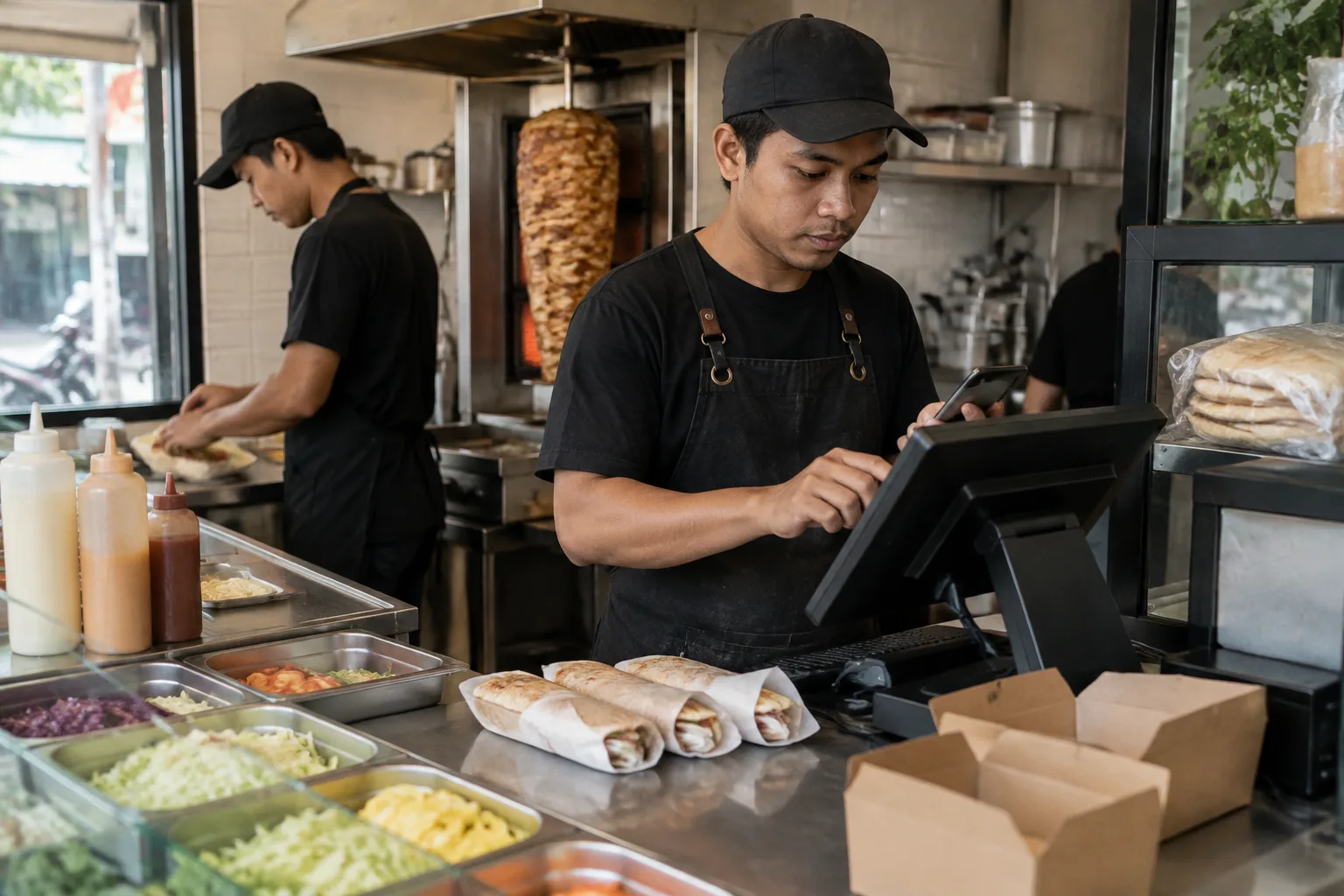
Baba Rafi Enterprise is working to bring orders from TikTok Go and WhatsApp into its centralised sales system. Reported by Retail Asia on 1 October 2026, the move forms part of the Indonesian food franchise brand’s efforts to track transactions across channels, from outlets and delivery services to social media and online marketplaces.
Centralising digital order records
Baba Rafi already uses a centralised point-of-sale (POS) system to record transactions across its outlets. This covers in-store orders, delivery orders and voucher redemptions. The current development work is therefore not about building a transaction recording system from scratch, but about extending the coverage and consistency of reporting within the existing system.
The next priority is to bring orders handled through TikTok Go and WhatsApp into centralised sales reporting more consistently. Both channels are part of the company’s efforts to track transactions originating from a range of customer touchpoints, rather than just purchases made directly at its outlets.
It is important to distinguish between the system already in operation and the integration still under development. Baba Rafi already has a centralised POS system, while recording TikTok Go and WhatsApp orders remains a work in progress. The integration has not been described as complete across the network.
For the franchise sector, this development highlights the operational work behind expanding sales channels. Adding ordering channels needs to be accompanied by consistent record-keeping so that transactions from different sources feed into the same business reporting system.
Stock and promotions are next on the agenda
Beyond recording transactions, Baba Rafi plans to link stock updates and promotions across all sales channels over the next year. According to Retail Asia, the aim is to make it easier for customers to find products and offers available at their chosen outlet.
This plan broadens the company’s focus from recording sales to managing the information customers use before making a purchase. Orders, product availability and promotions are distinct parts of the shopping process, but all three come together when customers decide what to buy and which outlet to buy from.
These stock and promotion updates remain a future priority. The plan should therefore not be confused with a service that is already fully connected. The one-year timeframe cited by the company is a development target, not evidence that every channel already displays consistent information.
The direction of this work shows that digital sales involve more than accepting orders. Information about available products and current offers is also on the company’s agenda as it seeks to make shopping easier at customers’ chosen outlets.
Pricing takes sales channel costs into account
Baba Rafi also adjusts its prices to account for delivery app commissions and promotional costs. At the same time, the company continues to prioritise direct in-store sales alongside its digital channels.
This approach shows that digital channel development goes hand in hand with attention to on-site sales. Integrating transaction records does not mean every channel has the same cost structure. App commissions and promotional costs remain separate considerations when setting prices.
For prospective and existing franchisees, the relationship between selling prices and the costs of each channel is worth examining closely. Sales assessments should look beyond order volumes to consider the costs associated with those transactions. This is a practical consideration when reviewing digital sales strategies such as Baba Rafi’s.
National promotions still reflect regional conditions
Regional differences also influence the company’s approach. Retail Asia reported that Baba Rafi’s logistics costs and selling prices differ between Java and other parts of Indonesia. These differences are taken into account when organising promotions across its outlet network.
Baba Rafi runs the same national promotions but adjusts budgets and terms to reflect local costs and prices. A shared national promotion therefore does not mean every detail of its implementation is identical in each region.
These adjustments complement the centralised reporting plans. On one hand, the company is working to consolidate transactions across channels more consistently. On the other, pricing and promotions continue to reflect differences in channel costs and regional conditions.
The practical lesson for the franchise sector is to check that transaction recording, stock updates and promotional terms are ready before expanding ordering channels. Assessing the costs of each channel and local requirements also helps ensure that sales growth is supported by sound operational management.
Sources
- Akurat.co – Update Berita Hari Ini Terlengkap & Tercepat | #bisnis waralaba Indonesia
- Berita Waralaba indonesia Hari Ini - Kabar Terbaru Terkini | Liputan6.com
- Berita Bisnis Waralaba Hari Ini - Kabar Terbaru Terkini | Liputan6.com
- Berita Waralaba dan Lisensi Indonesia Hari Ini - Kabar Terbaru Terkini | Liputan6.com
- Tak Harus Mulai dari Nol, Waralaba Jadi Jalan Gen Z Berwirausaha
- Akurat.co – Update Berita Hari Ini Terlengkap & Tercepat | #franchise Indomaret
- Baba Rafi akan hubungkan pesanan TikTok Go dan WhatsApp ke sistem penjualan