IFBC 2026 Brings Together 245 Brands, Emphasising Entrepreneurship Education
IFBC 2026 at ICE BSD featured 245 brands and highlighted collaboration to improve public understanding of franchising in Indonesia.
Published
The Info Franchise & Business Concept (IFBC) 2026 exhibition brought together 245 brands at the Indonesia Convention Exhibition (ICE BSD) in Tangerang, Indonesia, on 6–8 November 2026. Alongside connecting businesses with prospective partners, the event placed education about credible franchise systems at the heart of its efforts to support entrepreneurship.
Bringing brands and prospective partners together at ICE BSD
According to a Gontornews report published on 19 November 2026, the 182nd edition of IFBC was organised by the Indonesian Franchise Association (AFI) and Neo Expo Promosindo. Its theme, “Grow Beyond Boundaries”, encouraged businesses, investors and the public to expand their partnership networks.
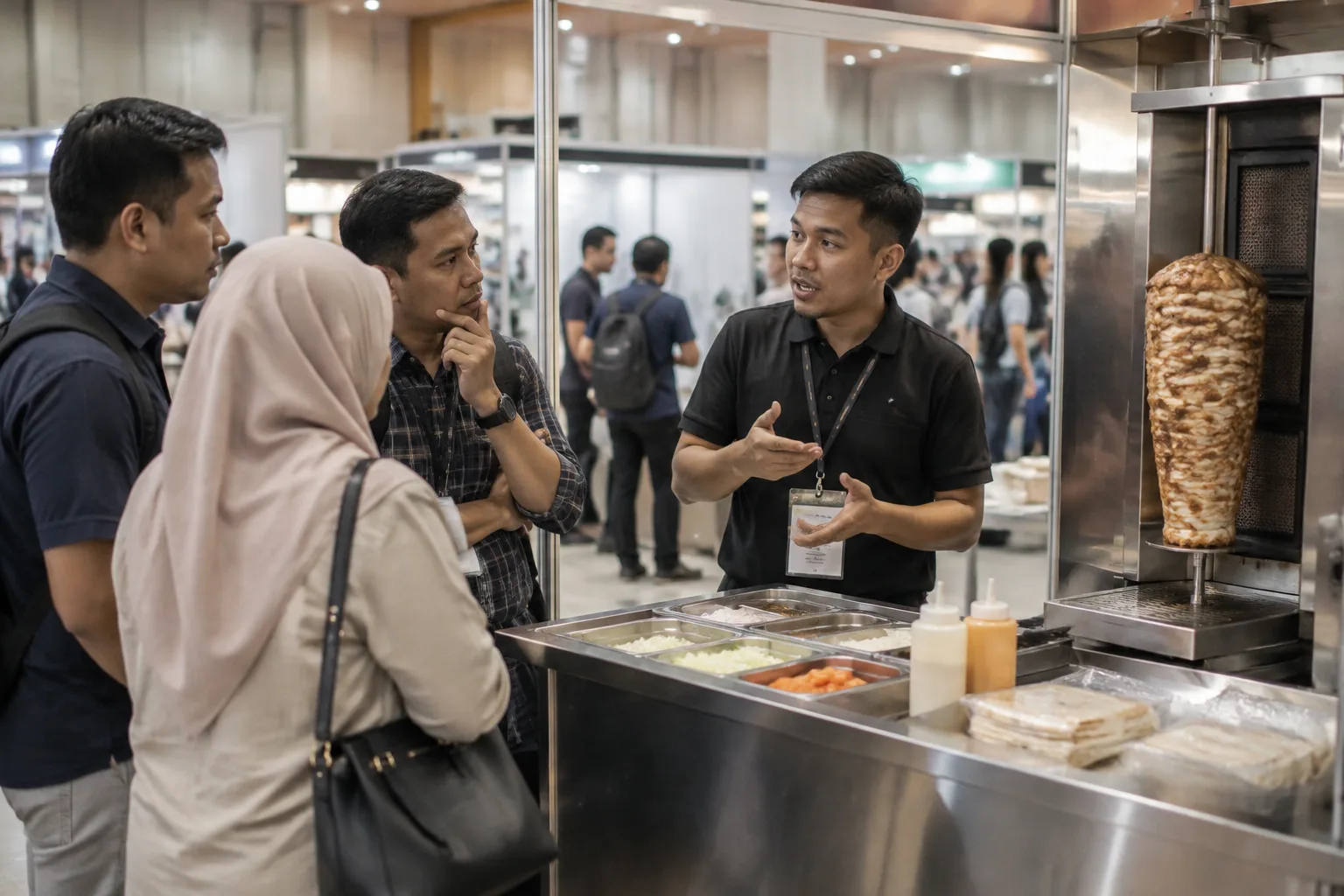
The participation of 245 brands gives an indication of the event’s scale. The exhibition offered brand owners a platform to introduce their business concepts and meet visitors exploring business and partnership opportunities.
However, that figure needs to be understood in context: it represents the number of brands exhibiting, not the number of franchise agreements signed or new outlets opened. For prospective partners, the range of options provides a starting point for comparison, rather than a substitute for examining each offer.
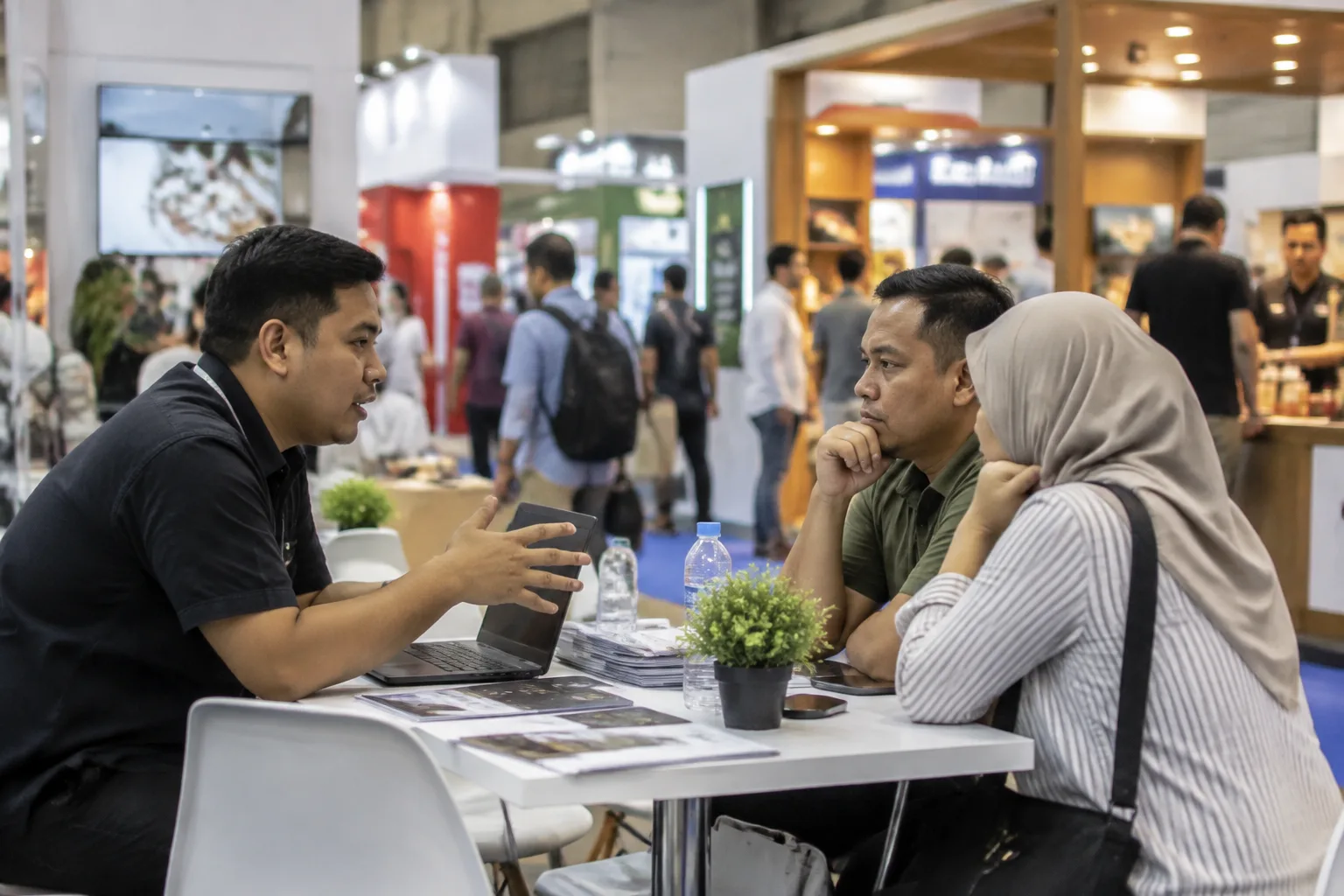
Within the franchise community, gatherings like this also offer an opportunity to understand how brands describe their relationships with partners. Discussions about business management and operational support are just as important as introductions to the products on display.
Government highlights the importance of understanding franchise systems
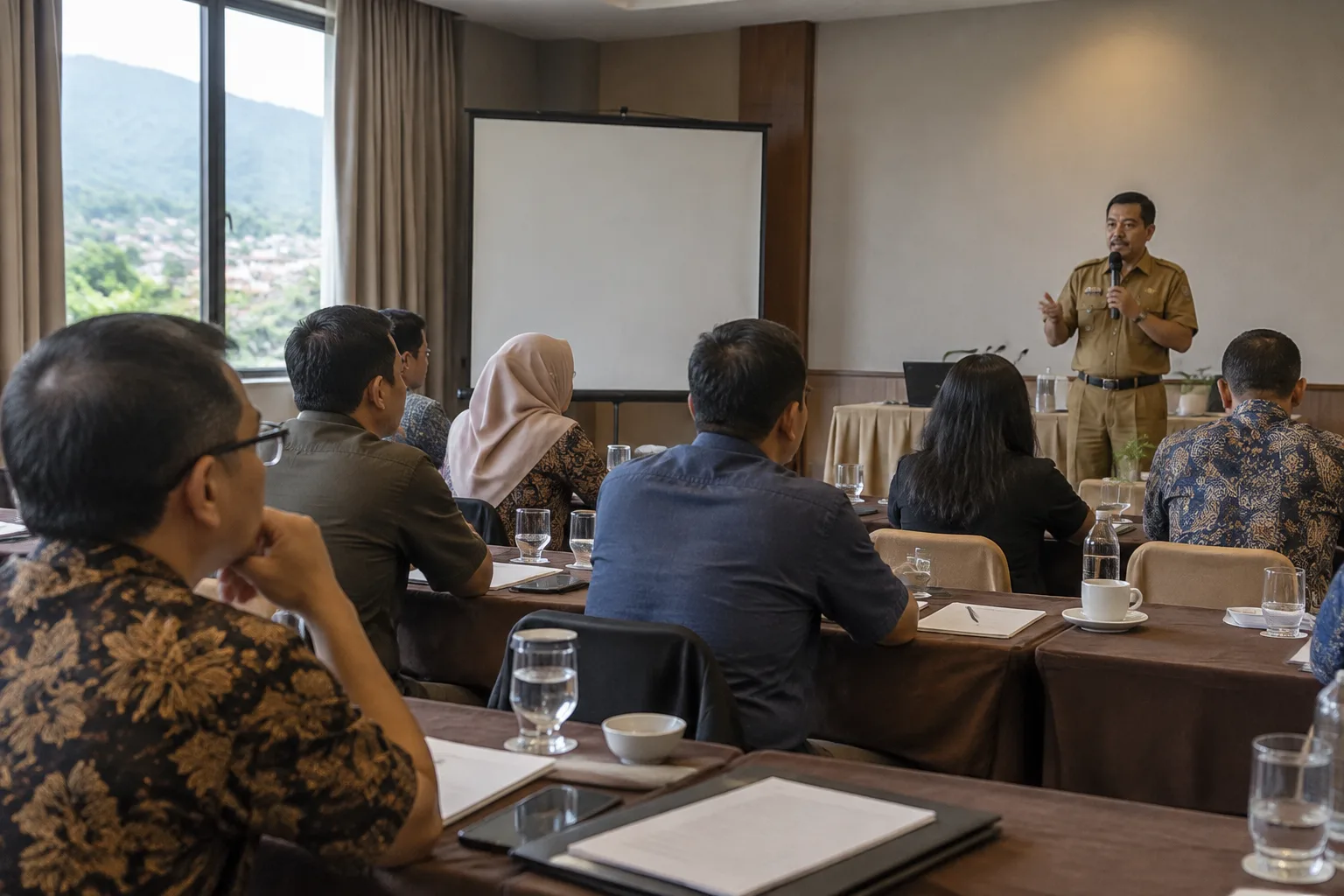
At the opening of IFBC 2026, the Minister of Trade was represented by Iqbal Shoffan Shofwan, Director General of Domestic Trade. In his remarks, Iqbal stressed the importance of collaboration between government and businesses to educate the public about the fundamentals and benefits of credible franchise systems.
This emphasis positioned entrepreneurship education as part of the exhibition’s agenda, rather than simply an addition to its promotional activities. The central message was that introducing business opportunities should go hand in hand with explaining the business systems behind them.
For those considering franchising for the first time, this approach helps distinguish interest in a brand from readiness to run the business. A familiar product does not, in itself, answer questions about an outlet operator’s responsibilities, working capital requirements or how obligations are divided between partners.
The educational message at IFBC’s opening therefore translates into a straightforward step: use meetings with brand owners to ask for detailed explanations. Prospective partners should look beyond package prices and examine the offer documents and the obligations they would take on once the business opens.
Entrepreneurship figures provide context
Iqbal also stated that Indonesia’s national entrepreneurship rate had risen from 0.28% in 2010 to 3.24% in 2026. He cited these figures in his opening remarks as context for the development of entrepreneurship in the country.
Despite that increase, he said progress needed to accelerate for Indonesia to compete with the countries he cited as benchmarks: Malaysia, Singapore and the United States. His message therefore highlighted both the growth achieved and the need for continued efforts to strengthen entrepreneurship.
It is important to distinguish the scope of these figures from the performance of the franchise sector. The 3.24% figure refers to the national entrepreneurship rate as presented by Iqbal, not franchise growth, the success rate of franchise partners or the value of transactions at IFBC 2026.
This distinction helps prospective business owners put exhibition coverage into perspective. Trends in entrepreneurship can provide broader context, but choosing a brand still requires an assessment of the specific business opportunity. National data cannot replace a location feasibility assessment or cost calculations for an individual outlet.
Using the exhibition as a starting point for due diligence
The gathering of 245 brands, AFI’s involvement and the government’s educational message show that IFBC 2026’s agenda extended beyond presenting business offers. The exhibition brought together brand promotion, networking and discussions about understanding franchise systems.
For prospective partners, the practical value of these meetings should be followed up with further checks after the exhibition. Initial information can be organised into a comparison checklist covering investment requirements, recurring fees, training, operational support and agreement terms. Any important claims should be verified against official documents from the brand owner.
This approach reflects the emphasis on credible franchising: partnership decisions should be based on understanding, not simply enthusiasm generated by meeting a brand.
Practical next step: shortlist offers that match your resources and capabilities, request written details, then assess the obligations and business viability before making a commitment.