Burger King and Dragon Ball Super: COP 1.7 billion in Colombian sales
The collaboration generated more than COP 1.7 billion in sales in less than a month, featuring a special-edition burger, collectables and T-shirts.
Published
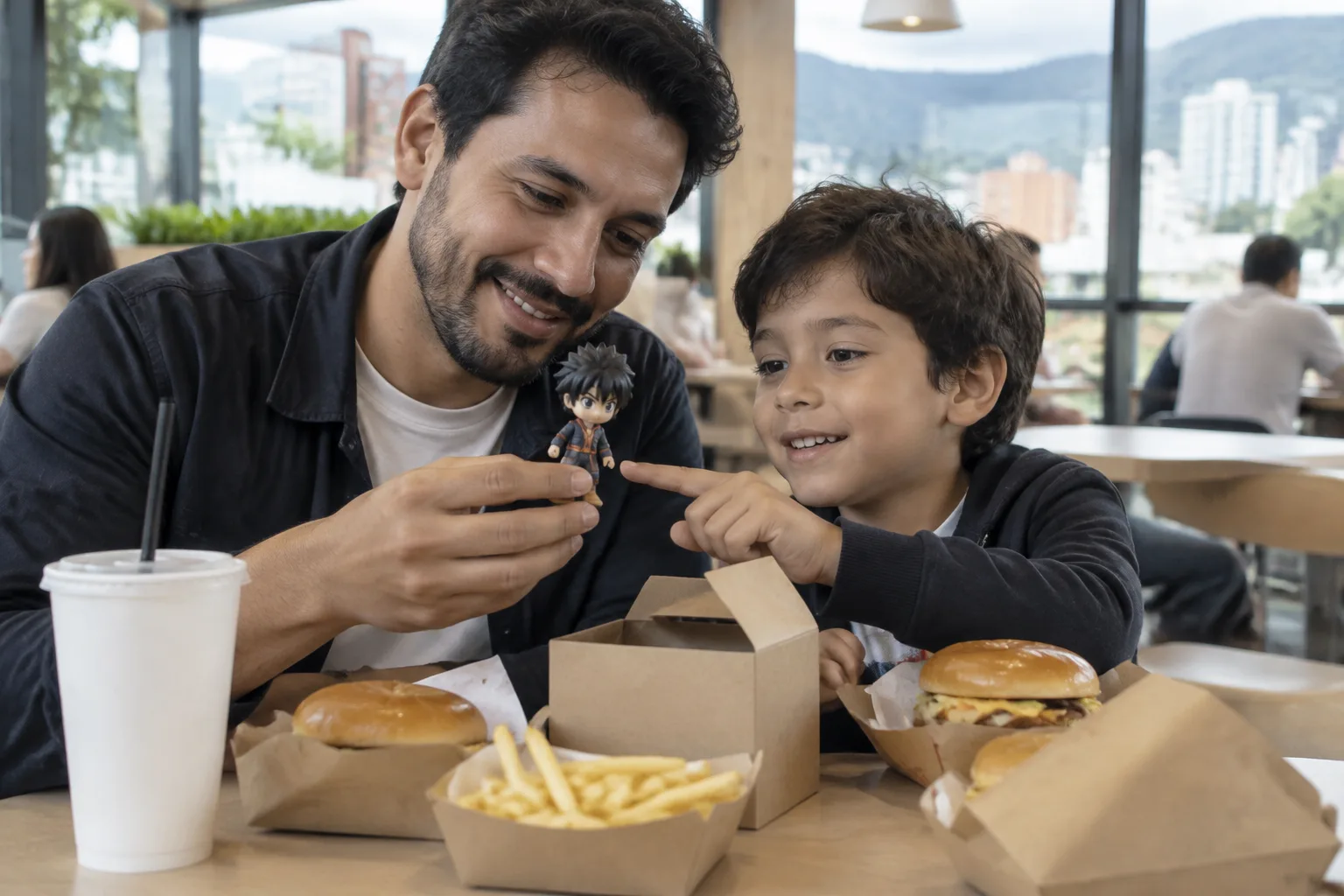
The collaboration between Burger King and Dragon Ball Super generated more than COP 1.7 billion in sales in Colombia in less than a month, according to a Blu Radio report published on 30 September 2026. Launched on 7 September, the promotion combines a special-edition burger, collectable toys and T-shirts, targeting both children and adult fans of the series.
A limited-time campaign with a reported sales result
The reported figure refers to sales from the collaboration, not Burger King’s total turnover in Colombia. That distinction matters for the franchise sector: it puts the disclosed commercial result into perspective without attributing it to the brand’s entire operation in the country.
The partnership was designed as an experience built around the Dragon Ball Super universe and is available for a limited time. The published information does not specify an end date, so it is not possible to establish how long all the products will remain available.
There is also no breakdown of the COP 1.7 billion by category, restaurant or city. The figure therefore provides an indication of the campaign’s sales activity, but does not reveal what proportion came from food, toys or other merchandise. Nor does it, on its own, measure profitability or additional sales compared with normal trading.
A special-edition burger and collectables for different age groups
One of the main products is the Super Saiyan Whopper, a special edition featuring a sauce inspired by Japanese flavours. This product adaptation forms part of a broader offering in which characters and collectables complement the food.
The collaboration also extends to the King Jr. meal, which includes Dragon Ball Super-inspired collectable toys for younger children. However, the figures are not restricted to children: interested adults can buy them for an additional charge, according to Blu Radio.
A limited number of T-shirts inspired by the series completes the range. The promotion therefore offers several ways to take part: trying a special-edition food item, seeking out a figure or keeping an item of clothing featuring the characters.
The report does not specify the additional price of the toys or the number of T-shirts available. It would therefore be inappropriate to assume purchase prices, consistent availability across restaurants or any specific terms that have not been disclosed.
Dragon Ball’s connection with Colombian audiences
The report places the result in the context of a connection spanning generations. The campaign aims to reach both those who first encountered Goku in childhood and children and young people discovering his stories today. Collectables for adults and King Jr. toys reflect this dual focus within the same collaboration.
As an example of the characters’ established appeal in Colombia, Blu Radio notes that Dragon Ball Super: Broly attracted 539,874 cinema-goers during its opening weekend in 2019. According to the broadcaster, it became the country’s most-watched Japanese film at the time.
That box-office record provides context for the franchise’s local reach, but is not directly comparable with restaurant sales. The activities, dates and units of measurement differ: cinema attendance in one case and sales revenue in the other.
What the franchise sector can learn
For those involved in or considering Colombia’s franchise market, the interest lies in a specific marketing initiative, rather than an announcement of new openings or franchisee recruitment. The disclosed result shows the sales generated by a collaboration combining a restaurant brand with well-known entertainment characters.
The practical takeaway is to distinguish commercial appeal from financial assessment. Before using a campaign as a benchmark, it is worth examining its costs, margins, stock levels and additional sales. In this case, those figures were not published: the COP 1.7 billion indicates the campaign’s reported sales performance, but is not enough to establish its profitability or predict the same result for other businesses.