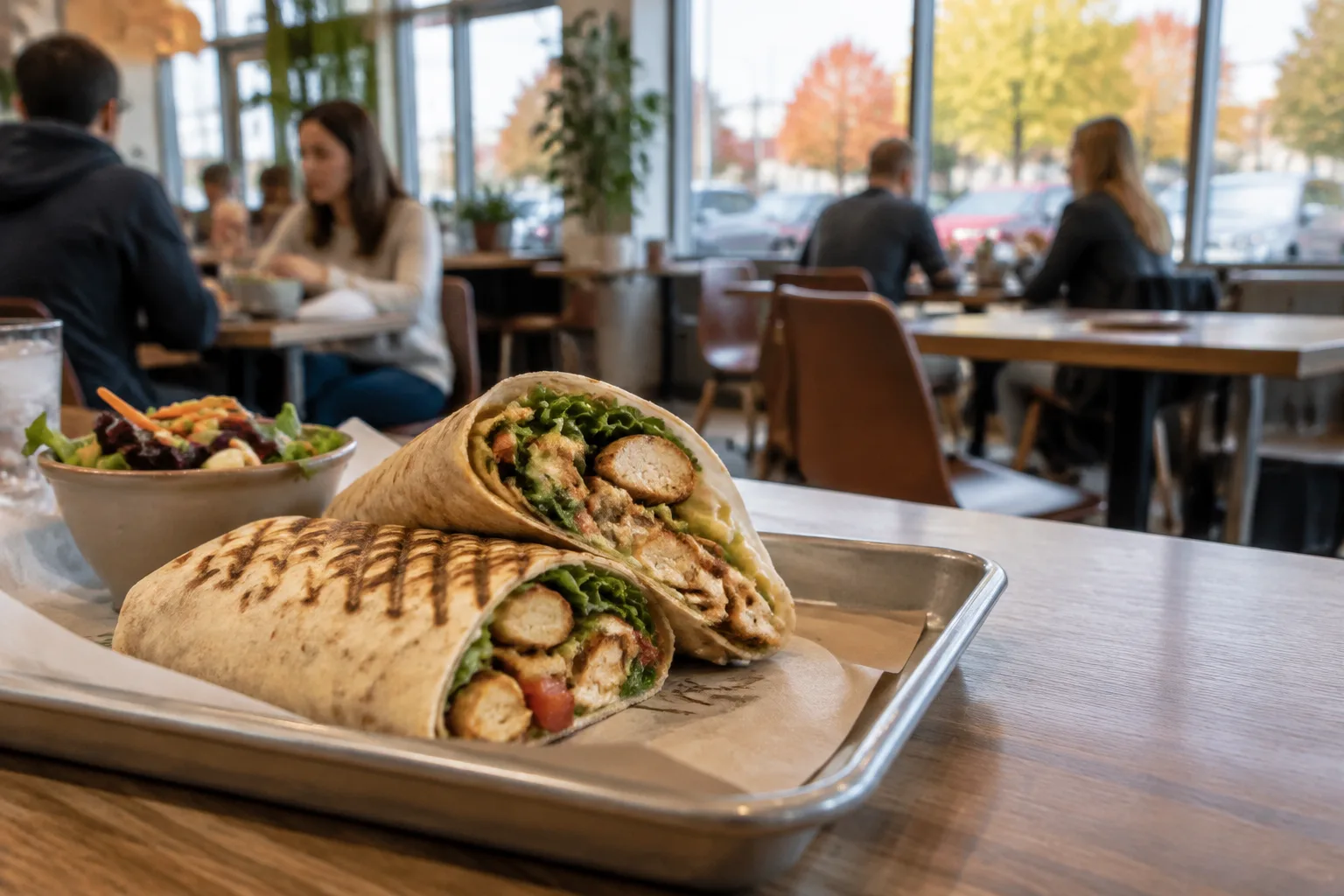
Bâton Rouge opens its first airport restaurant at MET
At MET in Saint-Hubert, Bâton Rouge is introducing a 159-seat restaurant and its first breakfast menu, a new departure for the MTY Group brand.
Published
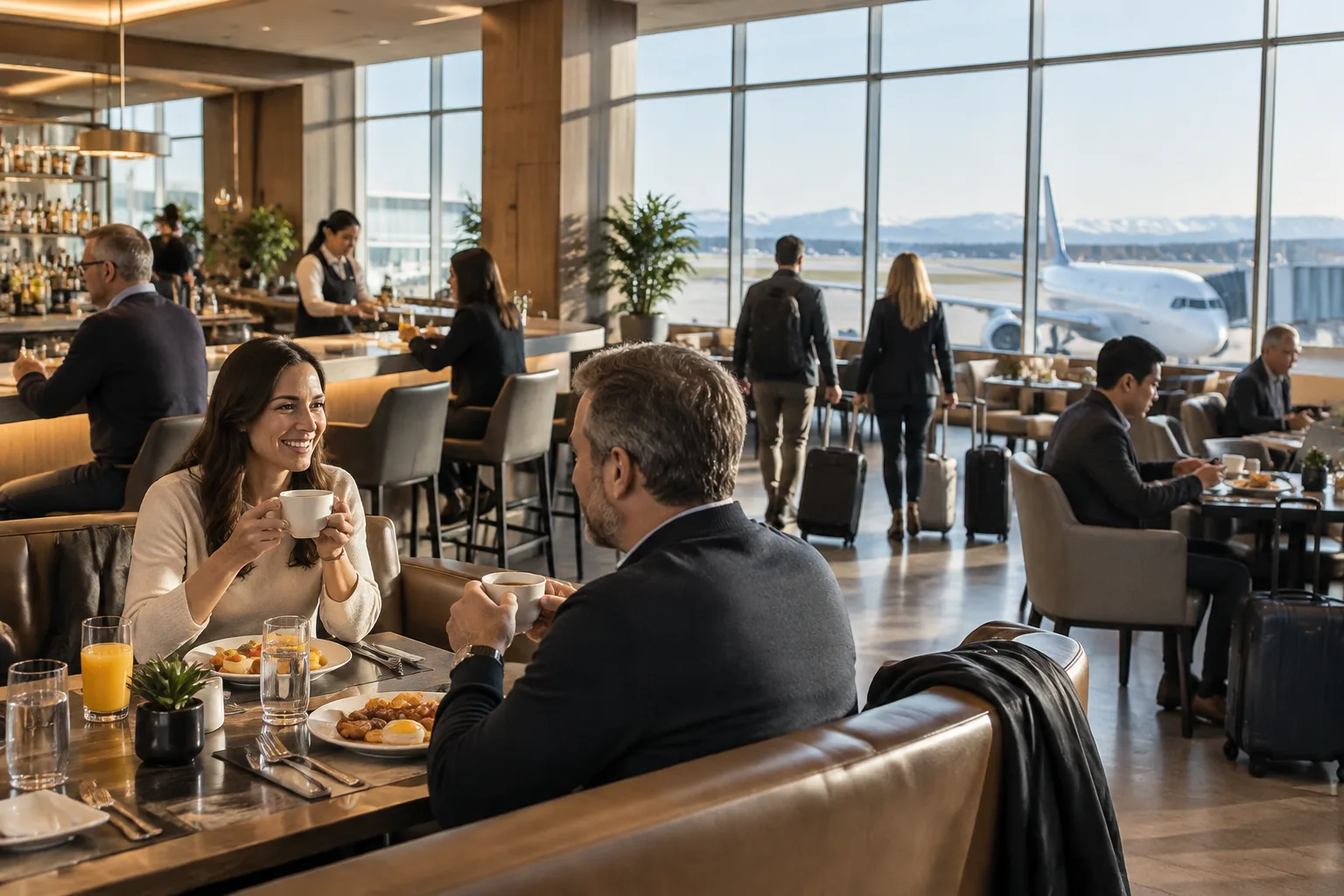
Bâton Rouge is entering the airport dining market in Saint-Hubert, in Quebec’s Montérégie region. Announced on 27 October 2026, its restaurant at the YHU terminal at MET, Montréal Metropolitan Airport, is due to open this week. For the MTY Group brand, which is recruiting franchisees in Canada, the location marks two firsts: an airport restaurant and the addition of breakfast to its menu.
A 159-seat restaurant beyond security
According to information published on 28 October by L’Express Franchise, the new Bâton Rouge has 159 seats and a bar. It is located airside, beyond security, where passengers wait to board their flights. The restaurant will employ around 60 people.
This setting distinguishes it from a typical Bâton Rouge restaurant: it sits directly along the passenger journey. Customers should therefore note that it is beyond security, rather than in a dining area accessible before the checks.
The YHU terminal has been welcoming passengers since 15 June 2026, in the Saint-Hubert borough of Longueuil. Its management is pursuing an entirely Quebec-based retail and dining offer. Bâton Rouge’s arrival fits this commercial positioning, a few months after the terminal began receiving passengers.
Breakfast joins the brand’s offering
The other new development is on the menu. To serve passengers taking the earliest flights, Bâton Rouge is offering breakfast at MET. According to the chain’s management, no other restaurant in the network had previously served it.
The dishes announced include a rib meat and cheddar omelette, as well as eggs Benedict with roast prime rib of beef. These dishes bring meats associated with the brand’s culinary identity to the breakfast table.
The opening therefore represents more than an additional location: it introduces another dining occasion at this restaurant. The connection with the first departures of the day is explicit in the project’s presentation.
However, this development is specific to the MET announcement. It does not, in itself, signal a breakfast rollout across all Bâton Rouge restaurants. For those in the franchise sector following the evolution of restaurant concepts, the distinction between a local offering and a network-wide change is important.
A Canadian network recruiting franchisees
Bâton Rouge recruits franchisees through MTY Group, a Montreal-based franchisor listed on the Toronto Stock Exchange. The brand’s franchise recruitment page lists 30 locations across four provinces: Quebec, Ontario, Nova Scotia and New Brunswick.
The Saint-Hubert location thus introduces a new format for a brand already established in several Canadian markets. The significant development is not entry into a new province, but its first airport location.
It is also important to distinguish the brand’s franchise recruitment activity from the operating arrangements for this particular restaurant. The information provided about the network and its financial terms describes Bâton Rouge’s franchise offering; it does not establish that the same terms apply to the MET restaurant.
Reference costs for the standard restaurant format
For a standard restaurant, MTY lists an investment of C$3 million to C$3.5 million, with required starting capital of C$900,000 to C$1 million. The stated initial franchise fee is C$65,000.
The recruitment information also specifies a royalty of 5% of gross sales, a 2% contribution to the national advertising fund and 1.5% for local advertising. These figures help prospective franchisees identify the main financial commitments advertised by the brand, beyond the initial investment.
These figures are not, however, the announced budget for Saint-Hubert: they relate explicitly to the standard restaurant format offered to prospective franchisees. Applying them to the new airport restaurant would conflate two different formats.
Key takeaway: for prospective franchisees, the MET opening illustrates how the Bâton Rouge concept can be adapted to a particular setting. Before assessing a comparable project, request the terms specific to the proposed format rather than relying on those for a standard restaurant.