Biosolvit launches water treatment franchise and targets 15 operations by 2027
Biofranquia has signed five franchise agreements and is seeking business owners with technical services experience to provide water treatment and monitoring.
Published
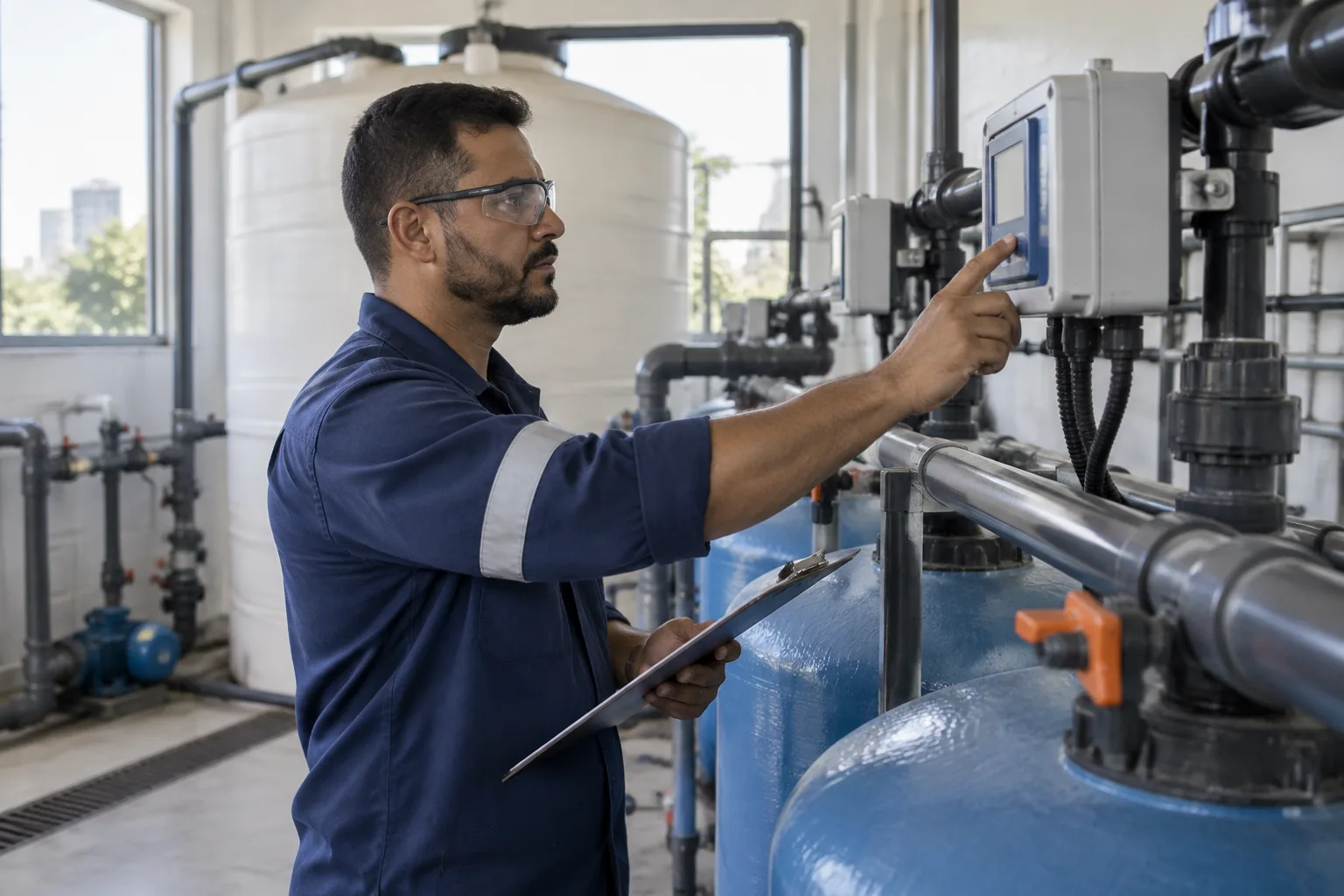
Environmental solutions company Biosolvit is expanding into franchising with a model dedicated to water treatment and monitoring. Launched towards the end of the first half of 2026, Biofranquia has already signed five franchise agreements and now aims to have 15 operations by the end of 2027. The information was published by Brazilian business publication Exame on 19 October.
Five agreements prompt a higher target
Initial take-up exceeded the company’s plans. Biosolvit had expected to sign three agreements in 2026 and reach five in 2027. With five agreements already signed, it raised its target to 15 operations by the end of 2027.
This progress demonstrates the commercial interest generated by the new model, but an important distinction is needed: signed agreements do not necessarily mean operating units. The figure announced represents agreements secured by the company, while the 15 operations remain an expansion target.
The move into franchising also marks a new phase that is still taking shape for Biosolvit. The company has not determined how much franchises could add to its turnover. The revised unit target therefore signals greater growth ambitions, rather than an established financial contribution from this new business line.
For those following new franchise brands, the development offers a model for delivering environmental services to business and institutional clients through regional operators.
Technical services without a public-facing shop
Biofranquia does not operate through a service counter or a shop open to the public. Franchisees work within a defined territory, serving businesses, residential complexes, hospitals and water and sanitation utilities.
Their work involves selling, installing and providing ongoing technical support for water treatment and monitoring equipment. The model therefore combines equipment sales with technical services, rather than relying on a retail operation with passing customer traffic.
This structure helps explain the profile Biosolvit is seeking. The company is looking for business owners already working in water tank cleaning, chemicals or maintenance. These activities are closely related to the needs the new model aims to meet.
For these candidates, assessing the franchise means considering how well their existing experience matches the work involved. Equipment sales are only part of the picture: installation and ongoing support also form part of the role described by the company. Prospective franchisees should assess their ability to organise and deliver these services before taking on a territory.
The operation can be set up gradually
The stated total investment for each unit ranges from R$300,000 to R$500,000 (Brazilian reais). To attract its first franchisees, Biosolvit is waiving the franchise fee and allowing the operation to be set up in stages.
According to the founder, spending during the first six months could range from R$6,000 to R$8,000 a month, including travel and hiring a technician. However, this initial estimate does not replace the stated total investment required for the operation.
The two figures describe different aspects of the set-up: one is the expected overall cost; the other is a possible way of spreading expenditure during the initial phase. Waiving the franchise fee does not mean there are no costs involved in getting the business up and running.
When assessing the offer, prospective franchisees should request a schedule detailing when each element of the operation will be needed. This would allow them to compare the company’s phased set-up approach with their available funds and the expected pace of winning clients.
Revenue projections remain unproven
Biosolvit projects annual turnover of R$15 million to R$30 million per mature franchise, a stage it places between the second and fifth years of operation. However, no units yet have a sufficient track record to substantiate that performance.
These figures should be treated as company projections, not as results already achieved or a promise of earnings. The company has not disclosed a profit margin or an investment payback period. Turnover alone does not show how much would remain for the franchisee after expenses.
The distinction between signed expansion agreements and financial maturity is central to this launch. The network has already attracted more franchisees than initially planned, but validating its revenue estimates will depend on how the operations perform over time.
In practice: prospective franchisees should check the technical responsibilities, implementation schedule and assumptions behind the projections before signing an agreement. The five agreements indicate interest in the model, not proven profitability.