EXKi seeks franchisees for urban locations in Belgium
EXKi is seeking franchisees in Belgium. The concept combines urban locations with centralised production and daily food preparation in store.
Published
EXKi is seeking franchisees in Belgium. The Belgian restaurant concept, founded in Brussels in 2001, is featured in a presentation on Franchise.be on 19 October 2026. For prospective franchisees, the offer centres on an urban foodservice concept with several sales channels, centrally developed recipes and operational support. The practical workings of this model deserve as much attention as the menu.
A Belgian concept for urban customers
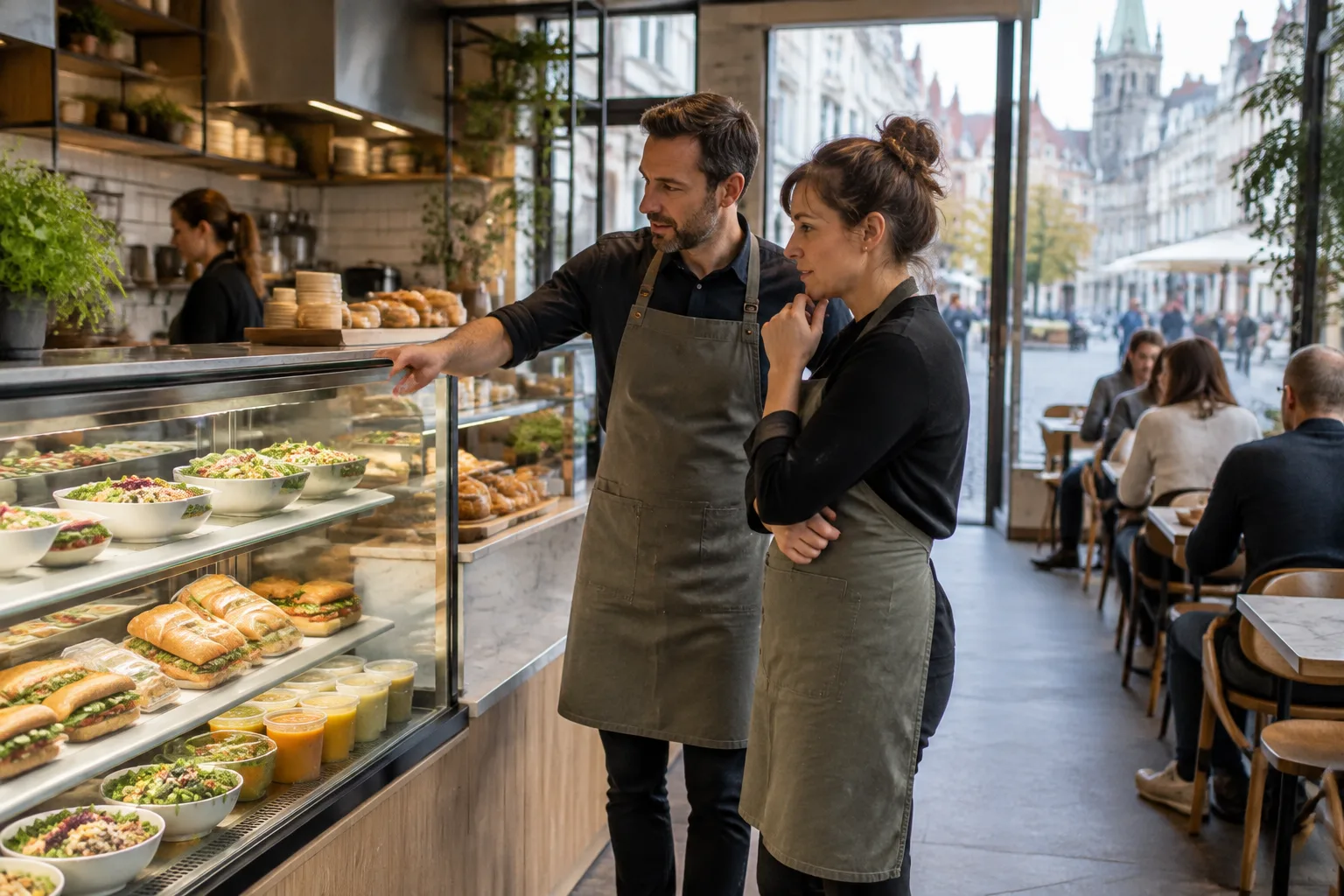
EXKi targets busy urban consumers looking to buy a quick meal. Its range includes soups, salads, sandwiches, hot dishes, smoothies, coffee and cakes. According to the presentation, the concept relies largely on local and seasonal ingredients, with an emphasis on fresh, natural and balanced meals.
The brand positions itself as a fast-casual concept, combining the speed and accessibility of quick service with attention to food quality and ingredients. This is the concept’s positioning, not a guarantee of any individual outlet’s performance.
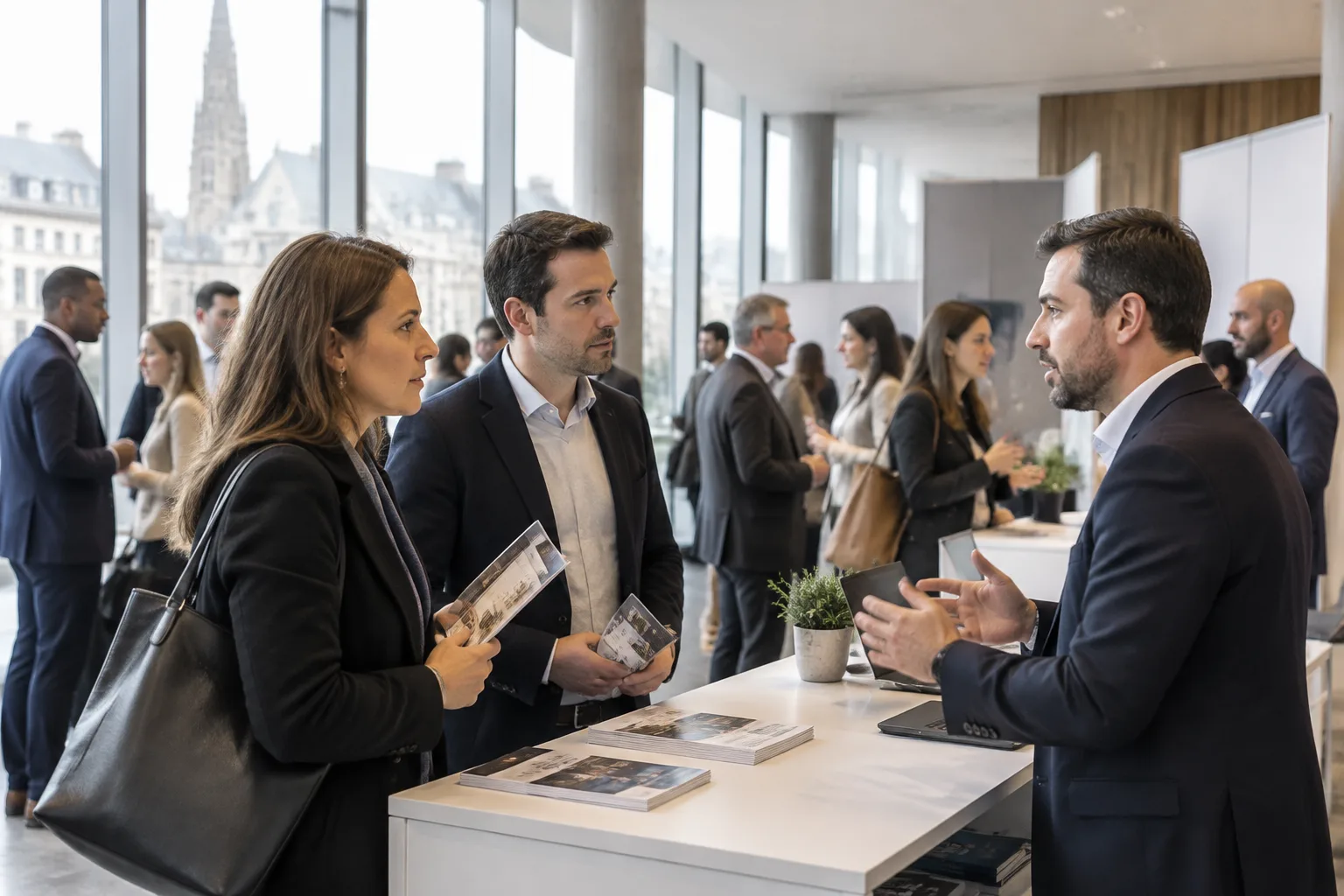
Its main target customers are working professionals, students and travellers. These groups explain the types of locations where EXKi is predominantly found: city centres, business districts, railway stations, airports and shopping centres. This recruitment drive is therefore particularly relevant to entrepreneurs considering foodservice businesses in such locations in Belgium, catering for both eat-in and on-the-go customers.
Outlets of 80 to 200 square metres
According to Franchise.be, a typical EXKi outlet covers 80 to 200 square metres. The concept combines takeaway, eat-in service and online ordering for collection. Home delivery is also mentioned, but remains under development. Candidates should therefore not assume that it is a fully established service at every outlet.
These different sales channels are an important point to discuss when assessing premises. Operators offering seating while also handling takeaway orders need to consider how both activities will fit within the available space. The stated floor area is a starting point for discussion, not evidence that every property within that range will be suitable.
The differences between location types also deserve attention. Candidates considering city-centre premises would be well advised to discuss their plans specifically in relation to that setting. The inclusion of stations, airports and shopping centres in the location profile does not mean that all these settings have the same operating conditions.
Centralised production and on-site preparation
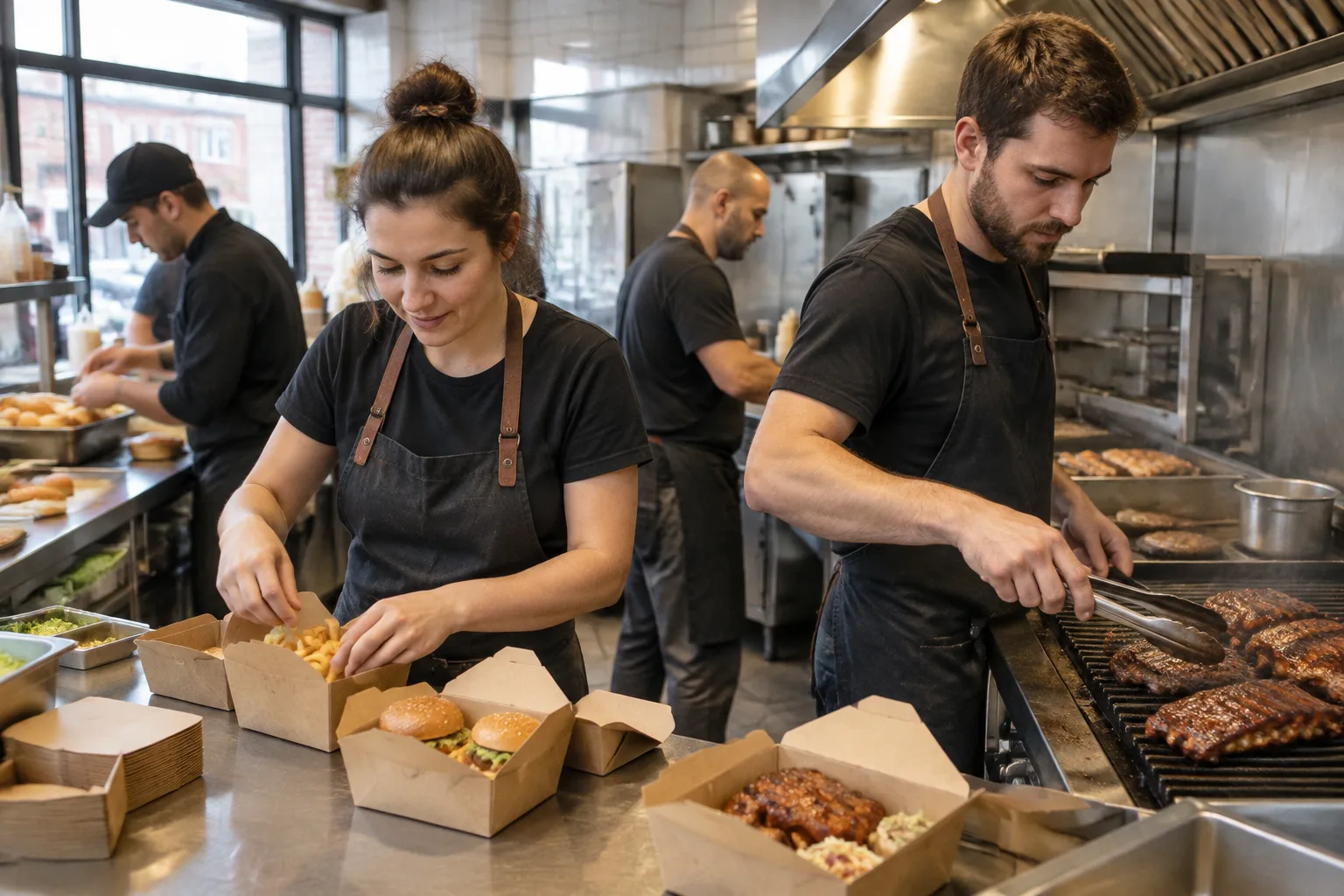
A key feature of the EXKi model is its combination of centralised preparation and work carried out at each outlet. The kitchen uses centrally developed recipes. Ingredients and a large proportion of the range are supplied ready-prepared from a central production facility. Fresh food is also prepared in store every day.
This approach is supported by a centralised supply chain. According to EXKi, central production helps reduce staffing requirements at individual outlets and simplify day-to-day operations. This describes how the concept is organised; it does not establish specific staffing levels for a future Belgian outlet.
For prospective franchisees, the division of tasks is particularly important. Which items are prepared locally, how are supplies delivered, and which daily tasks remain the responsibility of the store team? These are practical questions to discuss at an introductory meeting. Central supply and fresh on-site preparation are both part of the same model.
Assessing support in day-to-day practice
EXKi refers to standardised operating processes, training programmes and post-opening support. According to the presentation, these have been developed across several markets over the past 25 years. The franchise proposition therefore rests not only on the brand and menu, but also on a structured way of working.
Candidates should ask for a clear explanation of what this support involves. Ask which training is provided for your role, what post-opening guidance looks like and how day-to-day collaboration with the central organisation works. This will help clarify what the franchise offers and which responsibilities remain with the local operator.
Practical takeaway: when considering EXKi, first assess how the location, sales channels and day-to-day operations fit together. Obtain explicit confirmation of the support and services available for your proposed outlet, particularly when it comes to home delivery.