Casa del Constructor aims for 70 franchise outlets in Argentina
The Brazilian tool hire chain plans to reach 60 to 70 outlets by 2030. The investment is around US$120,000, plus premises-related costs.
Published
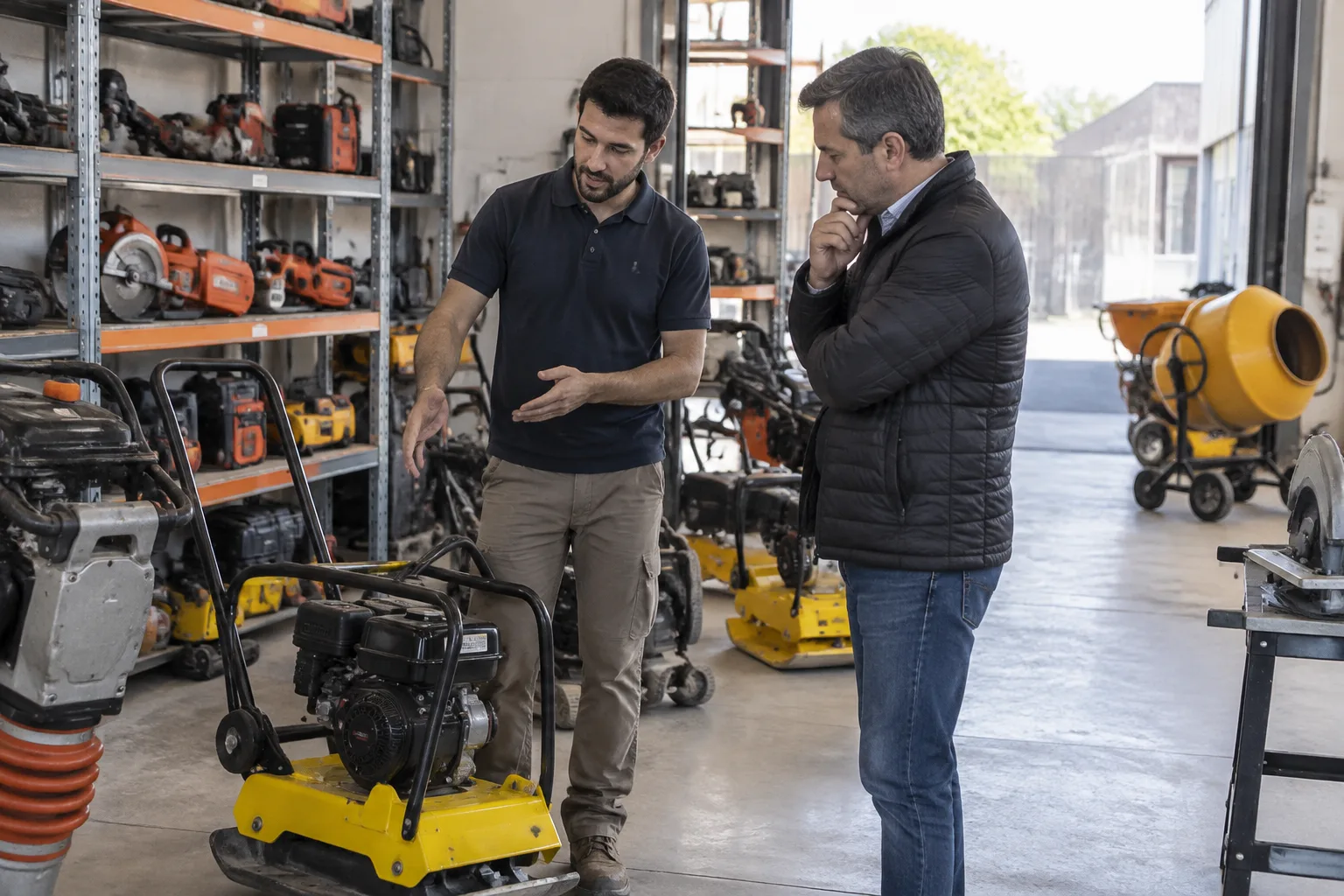
Casa del Constructor, the Brazilian chain specialising in tool and light construction equipment hire, is looking to expand its presence in Argentina through franchising. With outlets in Córdoba, Mendoza and Escobar, it aims to reach between 60 and 70 branches by 2030. Its next planned step is a fourth opening in Neuquén in December 2026.
Expansion built around multi-unit franchisees
Bruno Arena, the company’s vice-president for Latin America, outlined the plan in an article published by iProfesional on 19 October. The company has more than 830 outlets in Brazil and is proposing an area development model for Argentina, with each territory managed by a single franchisee.
The intention is not to find a different investor for every opening. As Arena explained, the model allows each partner to add branches as their operation becomes established. To cover the country, the company expects to work with around 15 or 16 partners.
This multi-unit franchise model is central to understanding the announced target: the 60 to 70 outlets planned for 2030 would form a network operated by a smaller group of investors. This is the company’s expansion target, not a tally of outlets already opened.
Within Argentina’s franchise market, the offering focuses on a specific service: equipment hire for both construction customers and private individuals. Its existing presence in three locations and the planned opening in Neuquén provide the local base from which the brand intends to grow.
What the US$120,000 investment includes
Arena put the investment required to open a franchise at around US$120,000. The stated amount comprises three elements:
- US$80,000 for equipment, accounting for most of the initial outlay.
- US$20,000 for the initial franchise fee.
- US$20,000 in working capital for the operation.
This breakdown highlights the importance of equipment to the business model. Rather than selling goods, the service involves hiring out tools and light machinery to customers.
There is an important qualification for anyone assessing the opportunity: the US$120,000 does not cover all opening costs. According to Arena, rent, permits and any necessary building works must be added to that figure.
The final budget therefore needs to be assessed for each location. The published figure identifies the main investment components, but should not be mistaken for a fixed, all-inclusive price covering every premises-related expense.
Royalties, support and payback period
Once operational, the franchise pays royalties equivalent to 8% of monthly turnover. This is part of the financial terms communicated by the company and should be factored into the business assessment alongside the initial outlay.
The chain also offers training and support to franchisees. This assistance forms part of its proposal for developing the Argentine network, whose growth will depend on partners capable of establishing an initial operation and potentially adding further outlets.
Arena estimated a 36- to 48-month investment payback period, using what he described as a conservative approach. This is a company estimate, not a guaranteed outcome for each franchise.
When comparing opportunities, it is worth distinguishing this projected timeframe from binding contractual obligations such as royalties. Prospective franchisees should also check which outlays are included in the payback calculation and how additional premises-related costs are accounted for.
The next opening and what to assess before proceeding
The next milestone is the outlet planned for Neuquén in December 2026. Beyond that, the announced ambition extends to 2030, with a network of 60 to 70 locations operating under an area development model.
For a prospective franchisee, the assessment goes beyond financing a single outlet: it also means understanding the potential to operate several branches as the business becomes established.
In practice: before committing capital, request a full budget for each location, clarify the scope of training and support, and review the terms for adding outlets. The published investment figure is a starting point, not the final cost of each opening.