Manzano in talks to buy Burger King’s Argentine operation
Talks with Alsea concern a network of 108 restaurants and the franchise agreements that allow the brand to operate and expand in Argentina.
Published
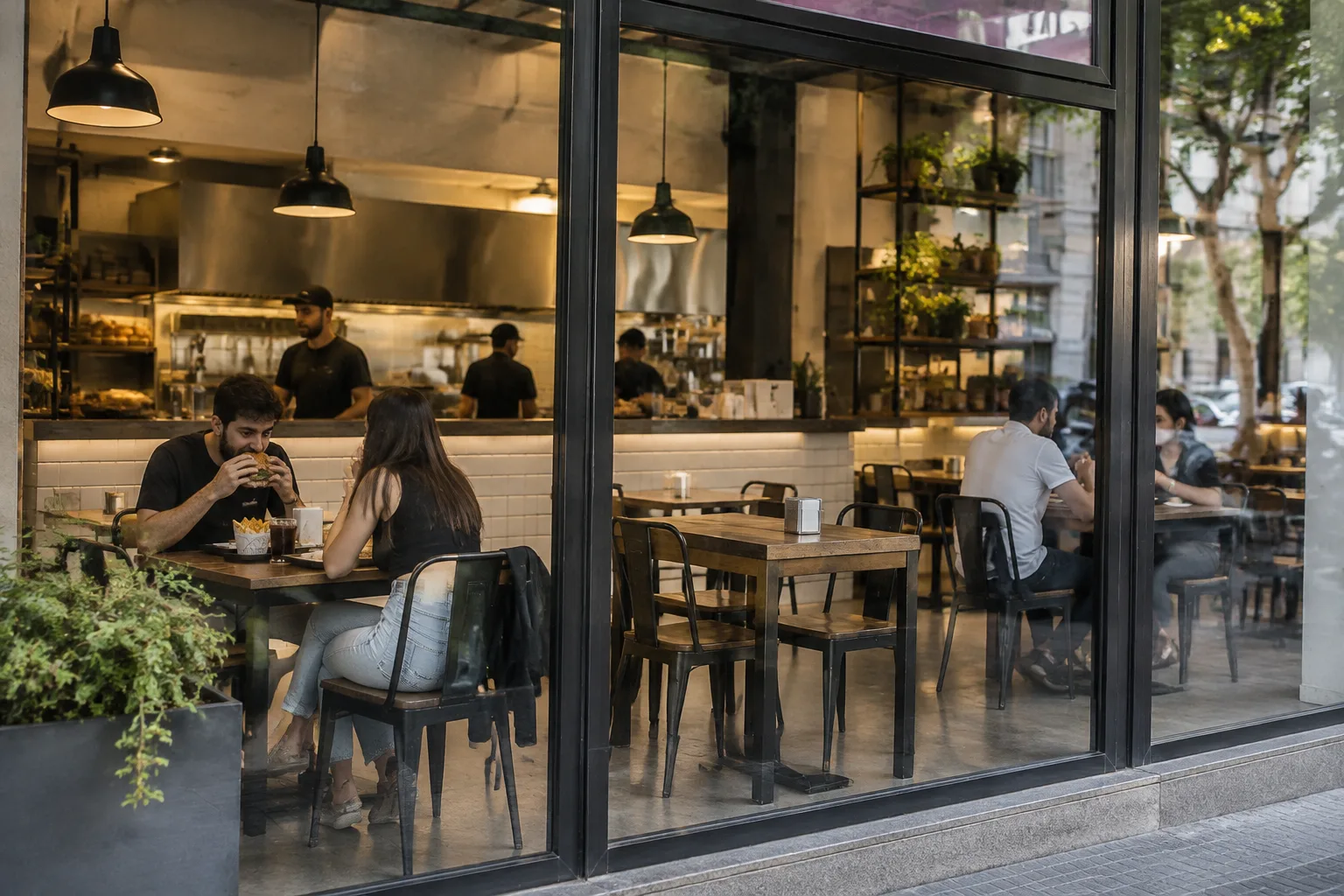
José Luis Manzano is negotiating the acquisition of Burger King’s Argentine operation, currently controlled by Mexican group Alsea, according to a report by LT9 on 17 October 2026. The talks concern a network of 108 restaurants and raise the prospect of a change of ownership following an unsuccessful sale process.
Talks over the local operation
The business attracting Manzano’s interest is held by Fast Food Sudamericana S.A., the company that operates Burger King restaurants in Argentina. The chain has been present in the country since 1989 and operates locally under franchise agreements.
For now, the news concerns negotiations only. The published information describes talks to acquire the operation, not a completed purchase. That distinction is essential when interpreting the report: interest from a potential buyer does not amount to an actual transfer of ownership.
The 108 restaurants represent the Argentine operation covered by the report. Any potential transaction would concern that local business, not global ownership of Burger King, which belongs to Restaurant Brands International, known as RBI.
Alsea had already considered selling the business
The talks with Manzano follow a recent attempt to sell. In 2025, Alsea began seeking buyers for its Burger King operations in Argentina and Uruguay as part of a review of its regional businesses.
That process did not result in an agreement. In February 2026, Alsea chief executive Christian Gurría announced that Burger King would remain in the group’s portfolio because the offers received had not been sufficiently attractive. The decision reflected a gap between the seller’s financial expectations and the bids submitted.
The Mexican company also injected capital into Fast Food Sudamericana to strengthen its financial position and support operations. The latest approach opens a fresh round of talks but does not, in itself, change the chain’s ownership.
Although the search launched in 2025 covered both the Argentine and Uruguayan businesses, the negotiations now reported focus on Argentina. The scope should not automatically be assumed to include other markets simply because they featured in the earlier sale process.
Franchise agreements are central to the potential deal
For those in the franchise sector, a key feature of this potential acquisition is that it involves more than a restaurant network. Alsea operates and develops Burger King in Argentina under agreements authorising it to use the brand and its business system.
RBI, Burger King’s owner, also owns Tim Hortons, Popeyes and Firehouse Subs. This structure highlights the distinction between the global owner of the brands and the company running a particular operation in an individual country.
According to LT9’s account, any purchase would need to take into consideration Fast Food Sudamericana’s corporate structure, its assets, the restaurants and the agreements that allow it to operate Burger King. Assessing the business therefore means examining both the restaurants and the contractual rights underpinning their operation.
The report notes that these agreements typically have fixed terms and do not guarantee territorial exclusivity or automatic rights to open new restaurants. These are general observations about franchise agreements, rather than a detailed account of the specific clauses relevant to these negotiations.
What to watch as talks progress
The next key question is whether the talks lead to an agreement and what its actual scope would be. Until then, the established facts are Manzano’s interest, Alsea’s control of the operation and an Argentine network of 108 restaurants.
The practical takeaway for those in the franchise sector is clear: assessing the acquisition of an operation requires more than counting outlets. It also means examining which company is being acquired and the rights, terms and conditions that allow it to continue using the brand.