Multi-unit franchise operator model moves up the agenda in Istanbul
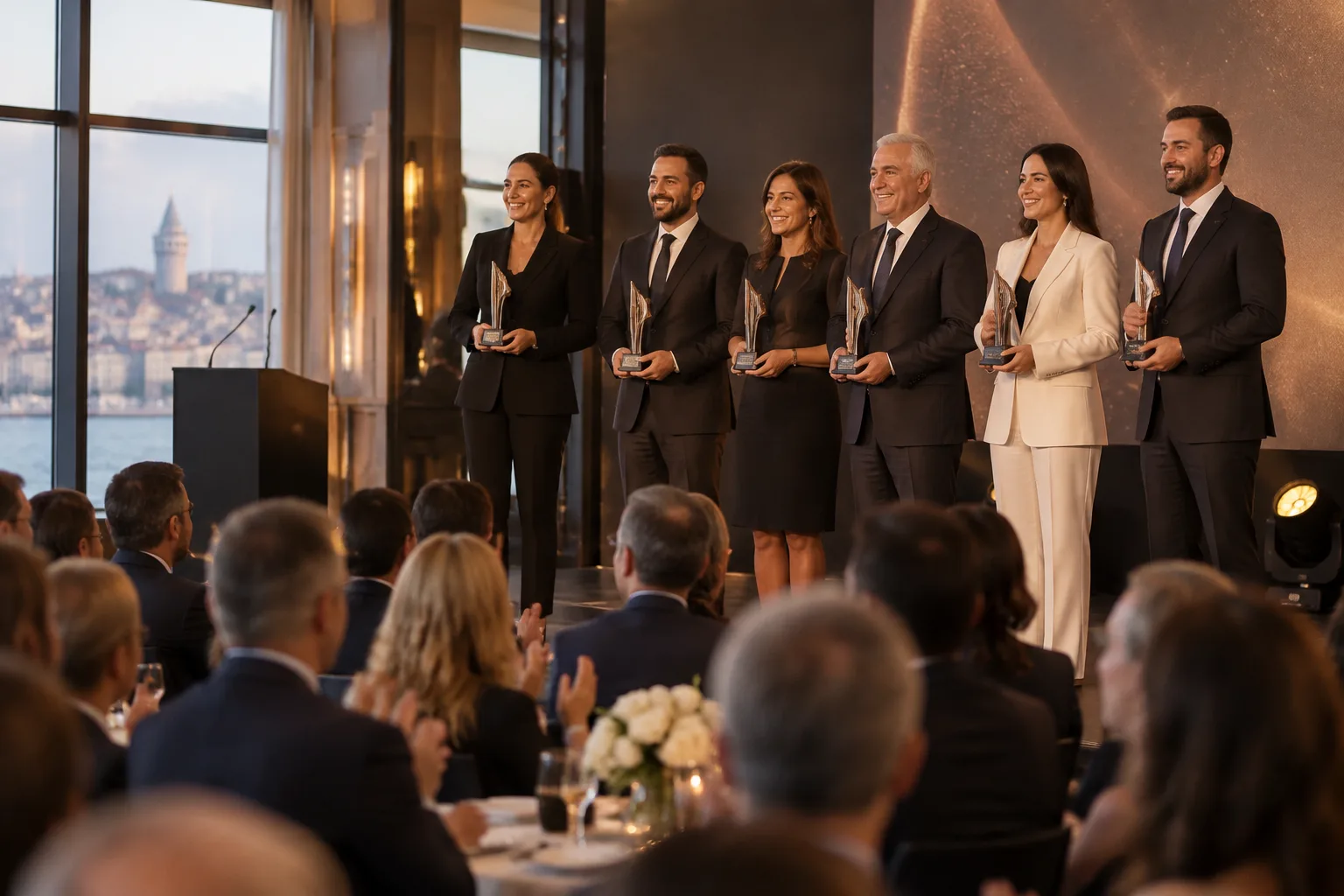
The Bayim Olur musun? fair on 15–18 October 2026 will focus on multi-unit management and the role of regional operators in growth.
Published

How to manage growth in Türkiye’s franchise sector is a leading theme at this year’s Bayim Olur musun? 24th Franchising and Branded Dealership Fair. According to a report published by Packworld Türkiye on 18 September 2026, the event, taking place on 15–18 October at Istanbul’s Yenikapı Eurasia Exhibition Centre, will focus on the multi-unit franchise operator model. The announcement centres not simply on opening new outlets, but on growing through operators capable of managing several locations.
From single outlets to multi-unit management
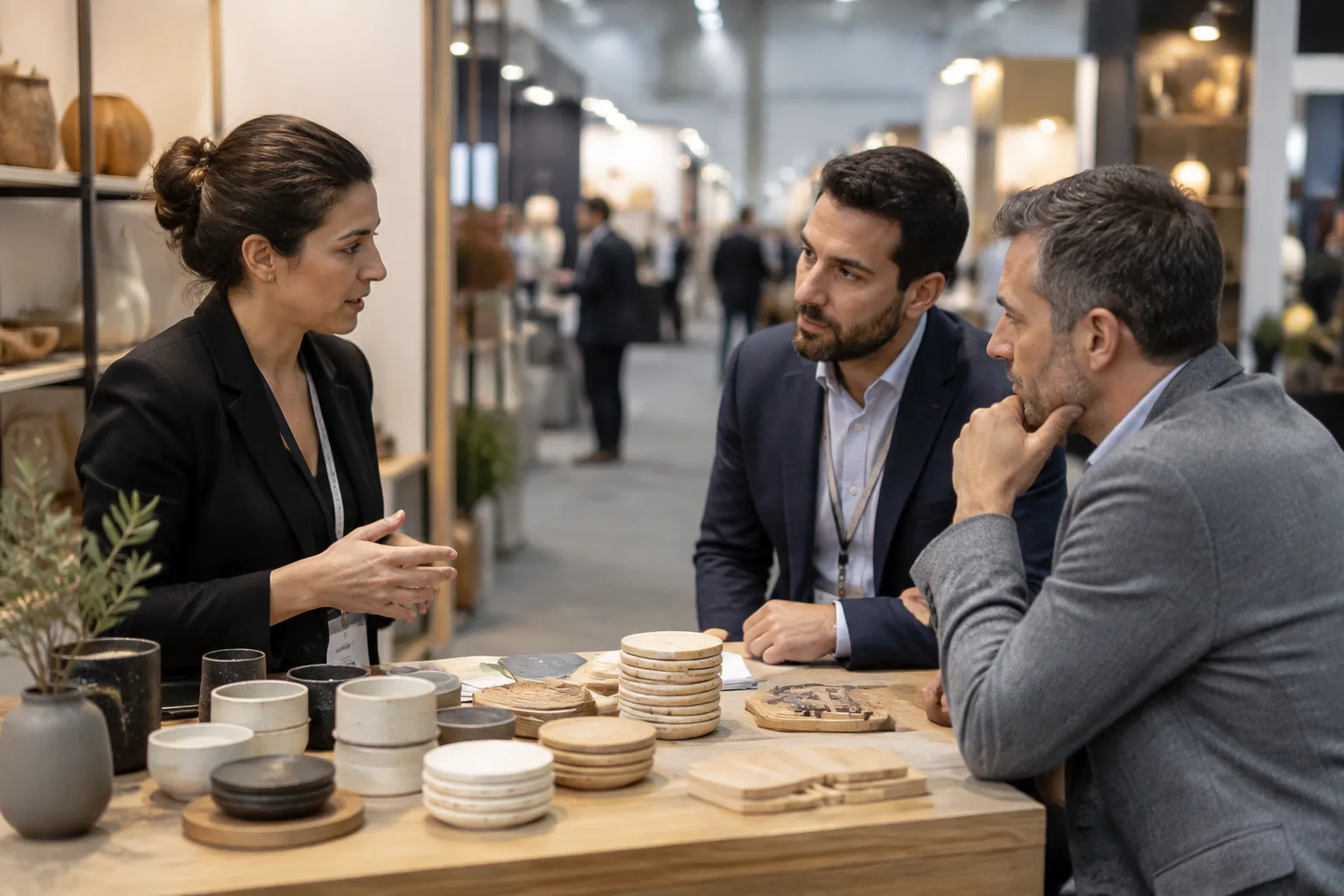
The report defines multi-unit franchise operators as businesses that manage several outlets belonging to one or more brands. It says these operators are playing an increasingly important role in brands’ growth strategies through their operational experience, financial strength and economies of scale. This shifts the focus of the franchise relationship beyond a single investment decision towards the management of multiple businesses.
This definition also highlights the distinction between running several locations under the same brand and operating different brands under shared management. The report treats both approaches as part of the same operator model. However, the source provides no data on how widespread either structure has become in Türkiye, or which is growing faster.
The announcement discusses strong regional operators, multi-unit investment and international growth ambitions together. Its central theme is therefore not a particular brand’s new store, but the scale of collaboration between brands and investors. The Istanbul event is positioned as a forum for discussing this shift.
Growth through operators is the fair’s focus
The report says this year’s Bayim Olur musun? fair is working to attract more multi-unit franchisees, regional operators and investors seeking to grow at scale, alongside individual investors. This does not mean individual investors are being excluded. Rather, the announcement points to broadening the existing investor base to include businesses capable of managing larger operations.
According to the source, the fair has brought franchise brands and investors together for 24 years. This year, it is again preparing to welcome brand representatives, investors and franchise professionals from Türkiye and other countries to Istanbul. Although the event’s dates and venue have been announced, the report does not include a programme of sessions dedicated to the multi-unit operator model or a list of companies participating in that part of the event.
The announcement should therefore be read as a statement of the fair’s priorities, rather than news of a signed investment deal or a completed expansion programme. By highlighting investors who manage several outlets, the organisers are signalling that they want operational capacity to feature more prominently in discussions between brands and investors.
Erem: Growth is not just about opening outlets
In comments quoted in the report, Özhan Erem, Chairman of Medyafors Fuarcılık, says: “Franchising is no longer simply a model for opening new outlets; it is a model for developing strong operators, delivering sustainable growth and building corporate value.” His remarks provide the main rationale for the announcement’s particular emphasis on multi-unit ownership.
Erem’s assessment brings together three elements: developing operators, ensuring sustainable growth and building corporate value. The emphasis is less on the number of locations to be opened than on the management capacity needed to support an expanding business. Ahead of the fair, this is a notable approach, encouraging brands to discuss investors’ operating experience as well as their appetite for investment.
However, the source does not disclose multi-unit operators’ share of Türkiye’s franchise sector, the total number of outlets they manage or the value of their investments. Statements about operational experience and economies of scale should be treated as assessments conveyed by the report. They do not establish that the model is more profitable for every brand or delivers any particular return.
What should brands and investors ask in meetings?
The fair’s stated focus makes it worth examining management responsibilities as closely as outlet numbers when preparing for meetings. An investor seeking to expand across several locations with one brand could ask not only about the opening timetable, but also how the businesses will be overseen, what head-office support will be available and what conditions will determine the pace of growth. These are suggested topics for assessing a multi-unit model, not announced requirements of the fair.
For brands, it may be useful to discuss how a prospective partner would manage day-to-day operations across several locations, alongside their financial capacity. Particularly in discussions about regional operations, the scope of authority, division of responsibilities and process for deciding on new outlets can be addressed explicitly. As the report announces no standard contract or regional rights package, these matters need to be verified with each brand.
The practical takeaway: anyone preparing for the 15–18 October event with multi-unit investment in mind should arrive with questions not just about how many locations they could open, but how they would manage them. The announcement’s core message is that growth should be assessed through operator capacity as well as numerical targets.